
Freeform locs develop with minimal interference: instead of regular retwisting or interlocking, the hair is allowed to clump and mat on its own, so every set ends up unique in size and shape. This gallery follows that variety, from short fluffy dreads with a crisp line-up to chunky afro locs, layered medium lengths, thin bohemian locs and heavy waist-length Congos.
The approach suits people with coily or tightly curled hair who want a low-manipulation routine, though “low maintenance” does not mean no maintenance. Clean, residue-free washing and occasional separation at the roots decide whether locs stay distinct or merge into larger sections. Some looks here combine freeform tops with fades, a burst fade or an undercut, which keeps the sides tidy while the locs grow freely.
Personalisation is a big part of the style. You will see cuffs and charms, cowrie shells, highlights and dyed mature locs, plus a two-strand retwist for anyone who occasionally wants more definition.
1. Medium Locs with Cuffs
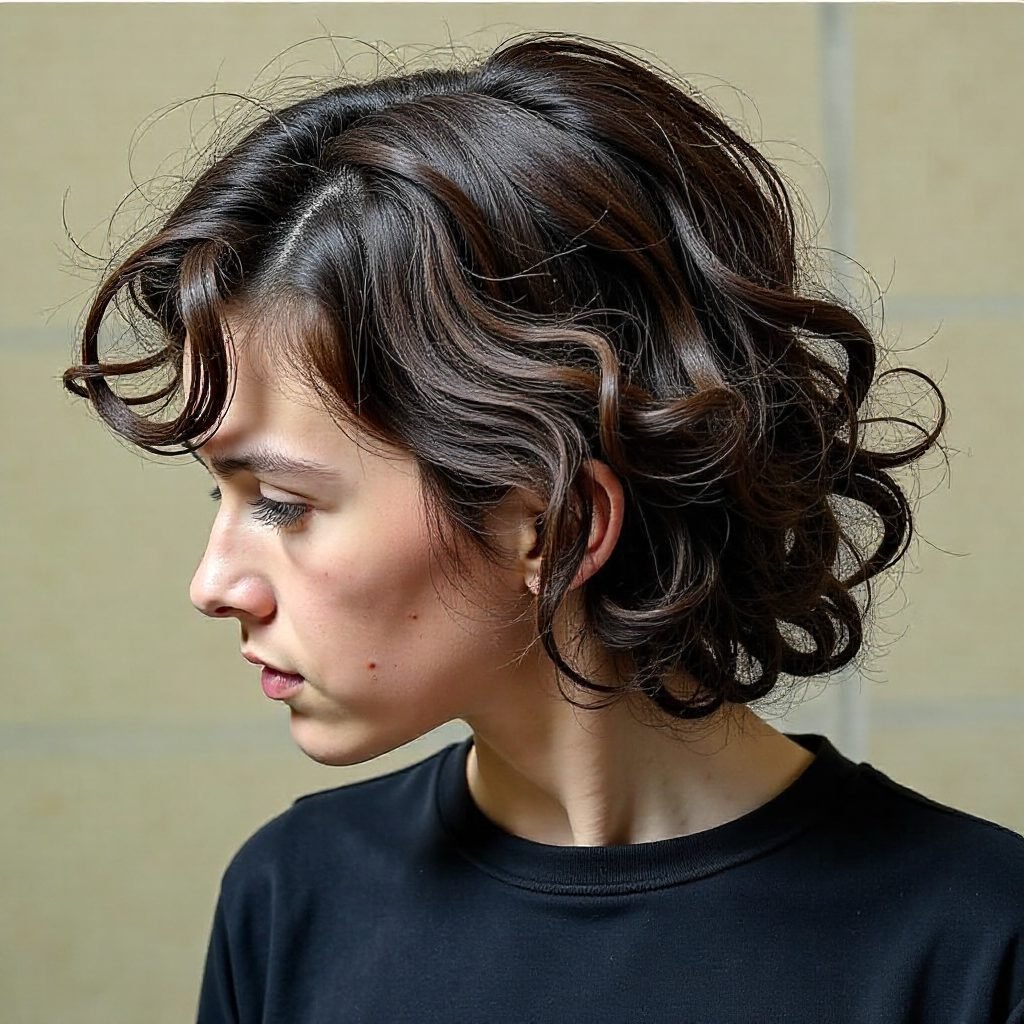
Thick medium locs have formed organically in different sizes and directions, giving a rich, uneven texture. Cuffs and charms, including an Eye of Horus, add a personal touch and connect the look to cultural heritage.
Inspiration: @leilalocs
2. Burst Fade Dreads
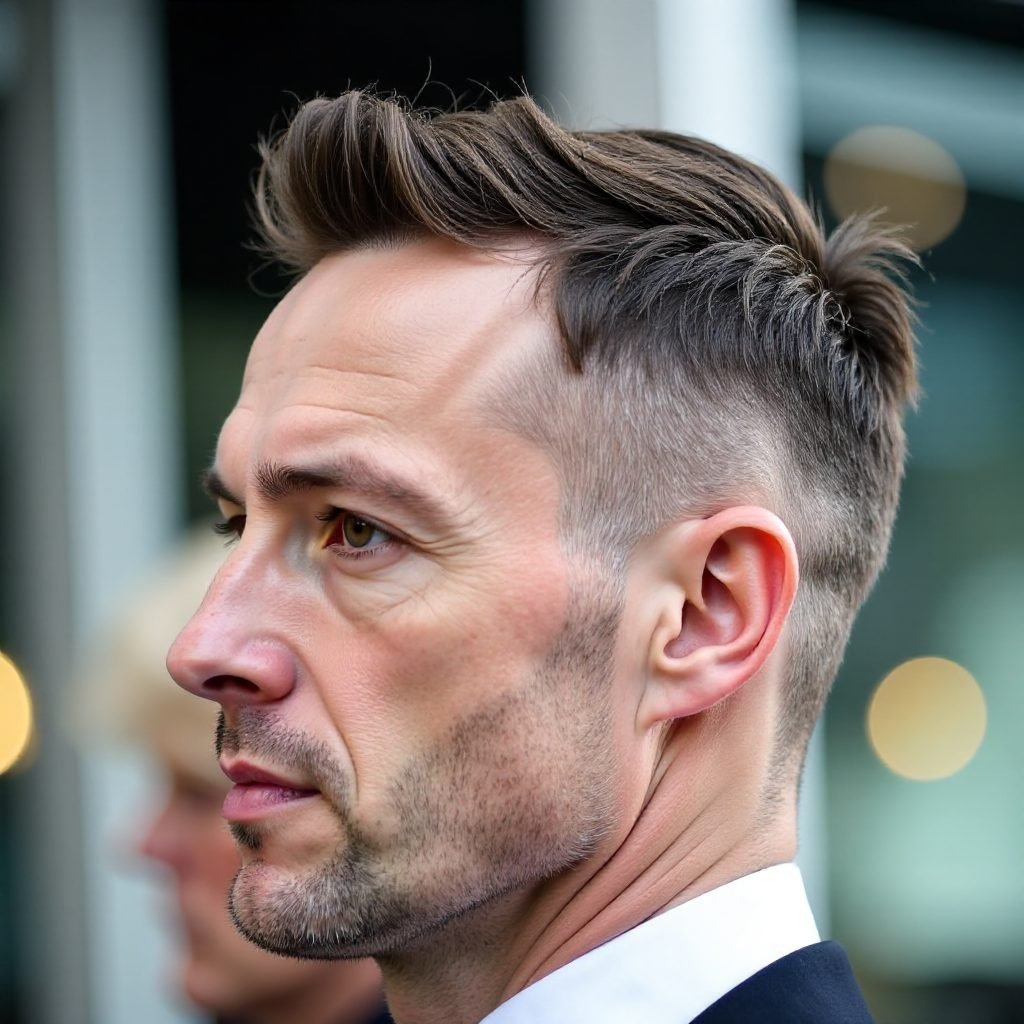
Short locs on top meet a burst fade that curves softly around the ears, creating strong contrast. The style is structured, fashionable and easy to keep up, since only the fade needs regular attention. Book fade touch-ups every few weeks.
Inspiration: @stylish_mens_haircuts_todays1
3. Layered Look
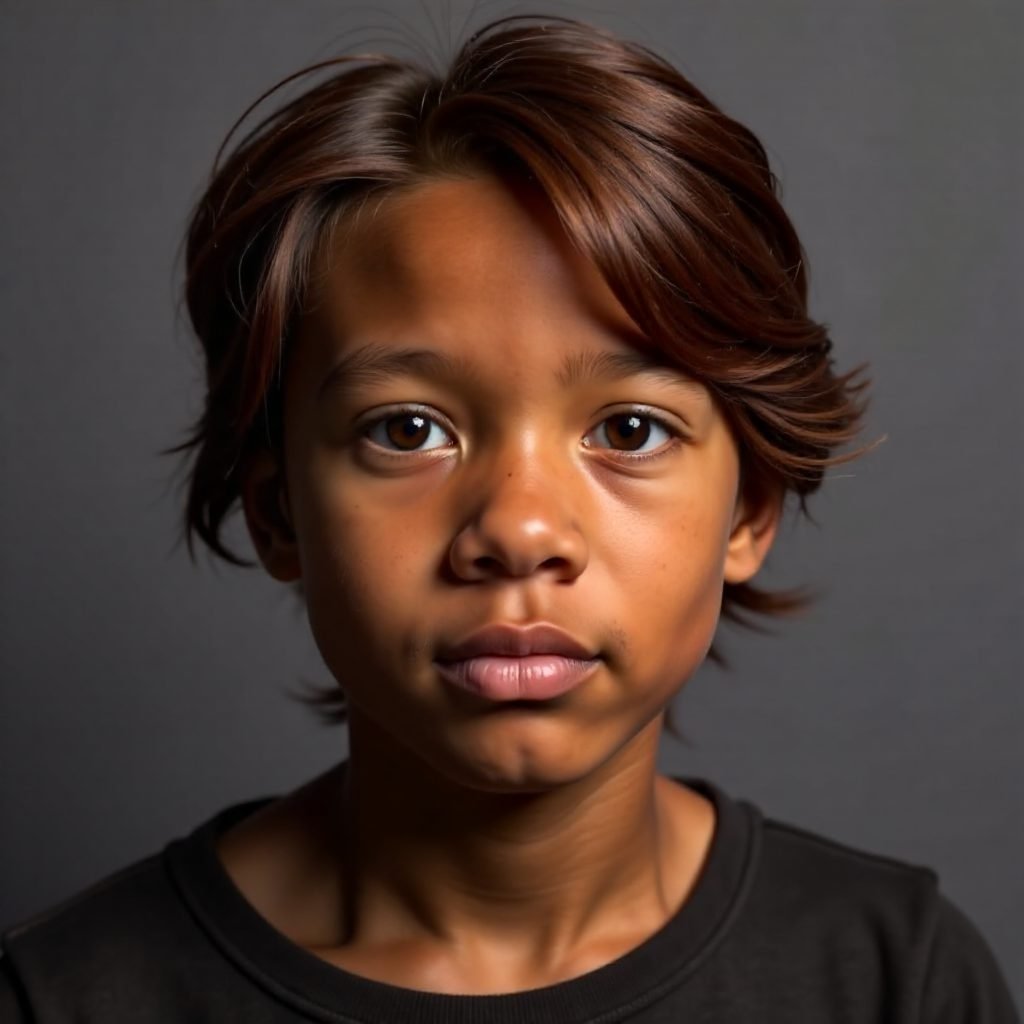
Cascading medium locs develop with very little handling. Avoid merging sections or forcing them to match, so each loc stays individual. If two start fusing, ease them apart gently with your fingers. The result is a natural, layered fall that changes as the locs mature.
Inspiration: @seaslocdump
4. Thin Locs
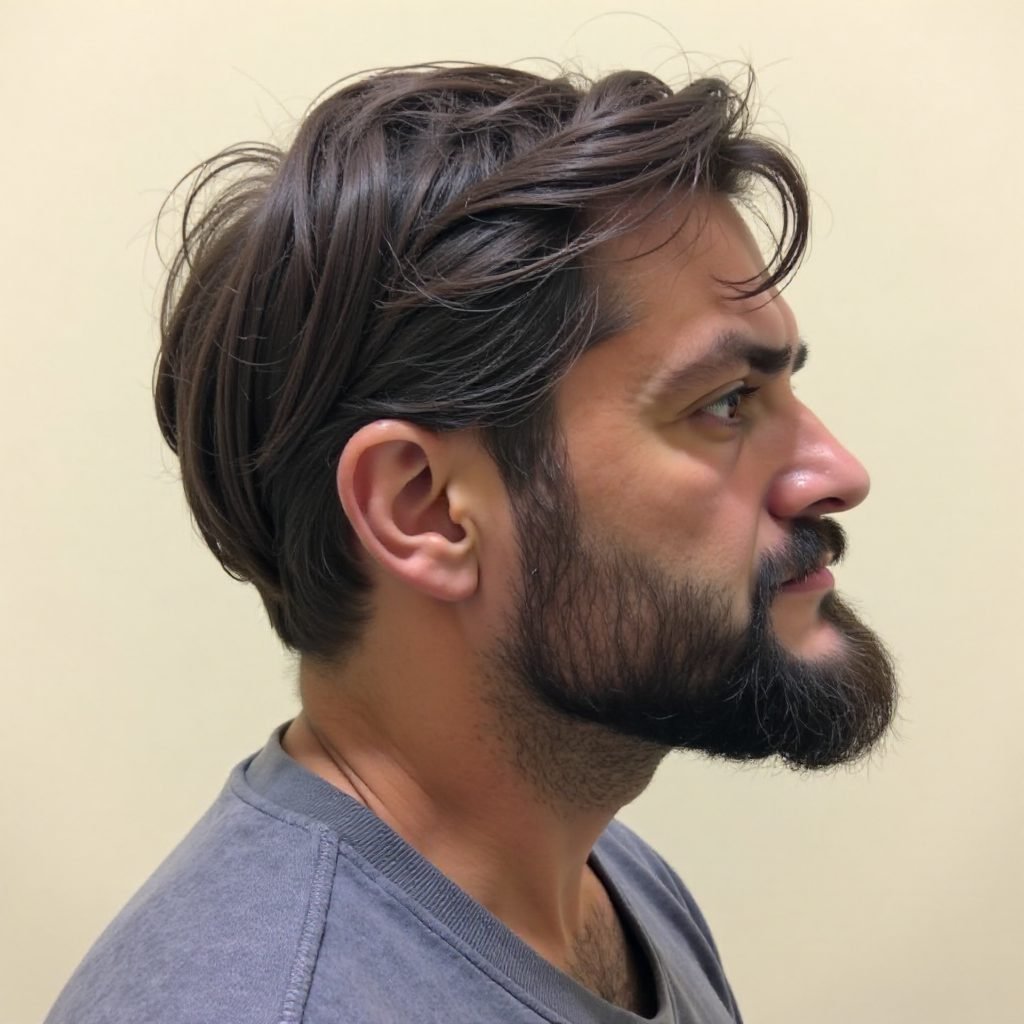
Thinner locs feel lighter, more flexible and a little bohemian. Wash them often so residue does not clump them together, and separate any thicker sections while the hair is still damp. A light oil on the scalp keeps it comfortable without leaving residue.
Inspiration: @myajhairstudio
5. Congo Dreads
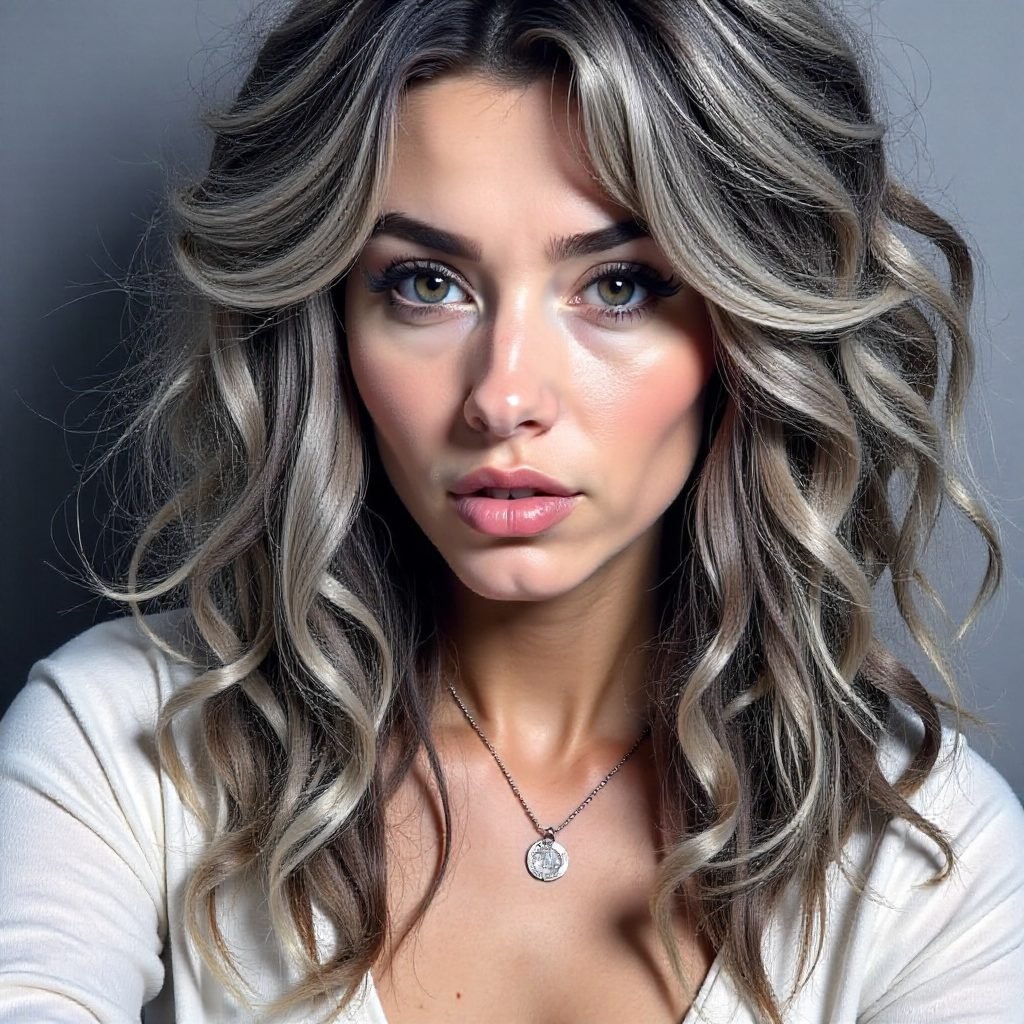
Very thick locs, often called fat dreads or Congos, form when smaller locs join together. Letting the roots combine allows them to fuse over time into wide, heavy sections. Because thick locs hold more water, dry them thoroughly after every wash to avoid odour.
Inspiration: @bamskelly
6. Short Dreads with Line-Up
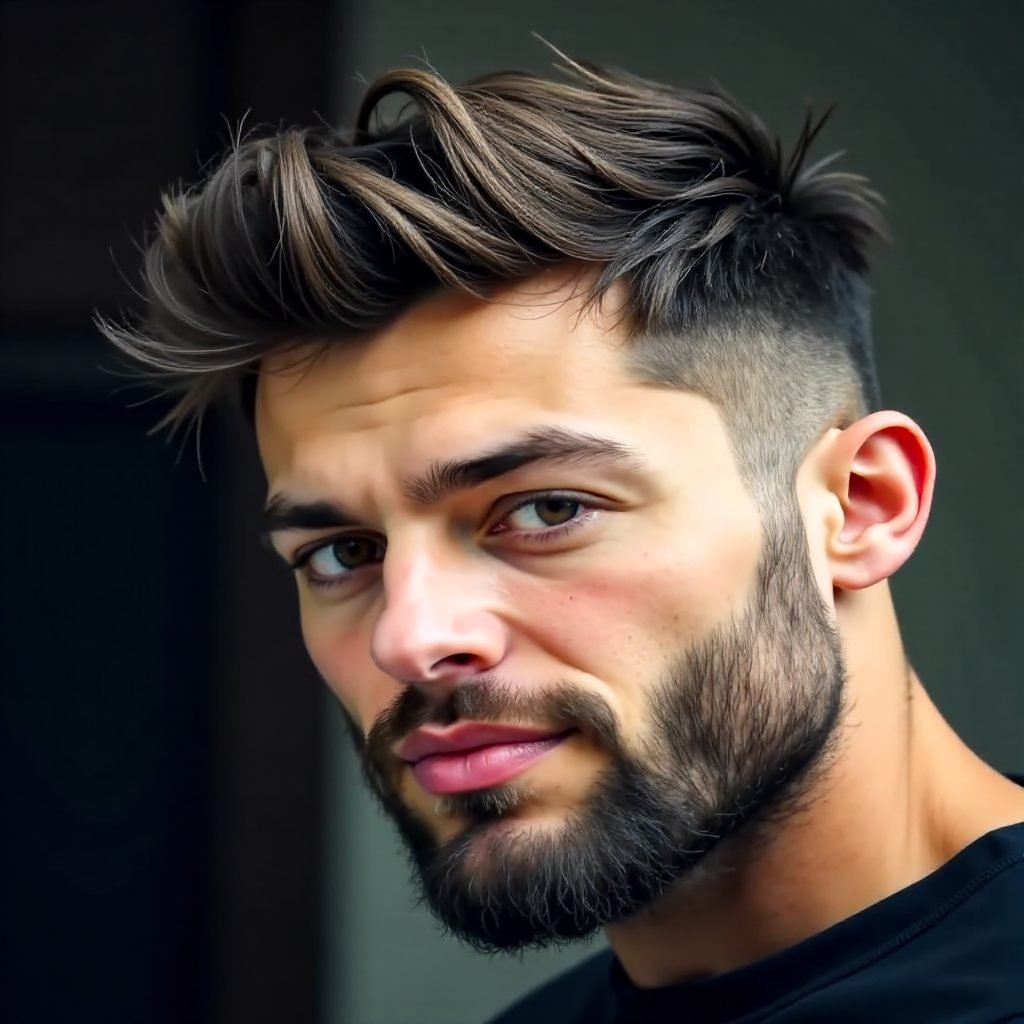
Short, dense dreads look neat and groomed, with a fluffy texture that comes from thick hair. A sharp line-up along the hairline and beard frames the natural texture even more. Wash regularly and keep the line-up fresh to maintain the neat, defined edges.
Inspiration: @marquinhos_afrohair
7. Two-Strand Locs
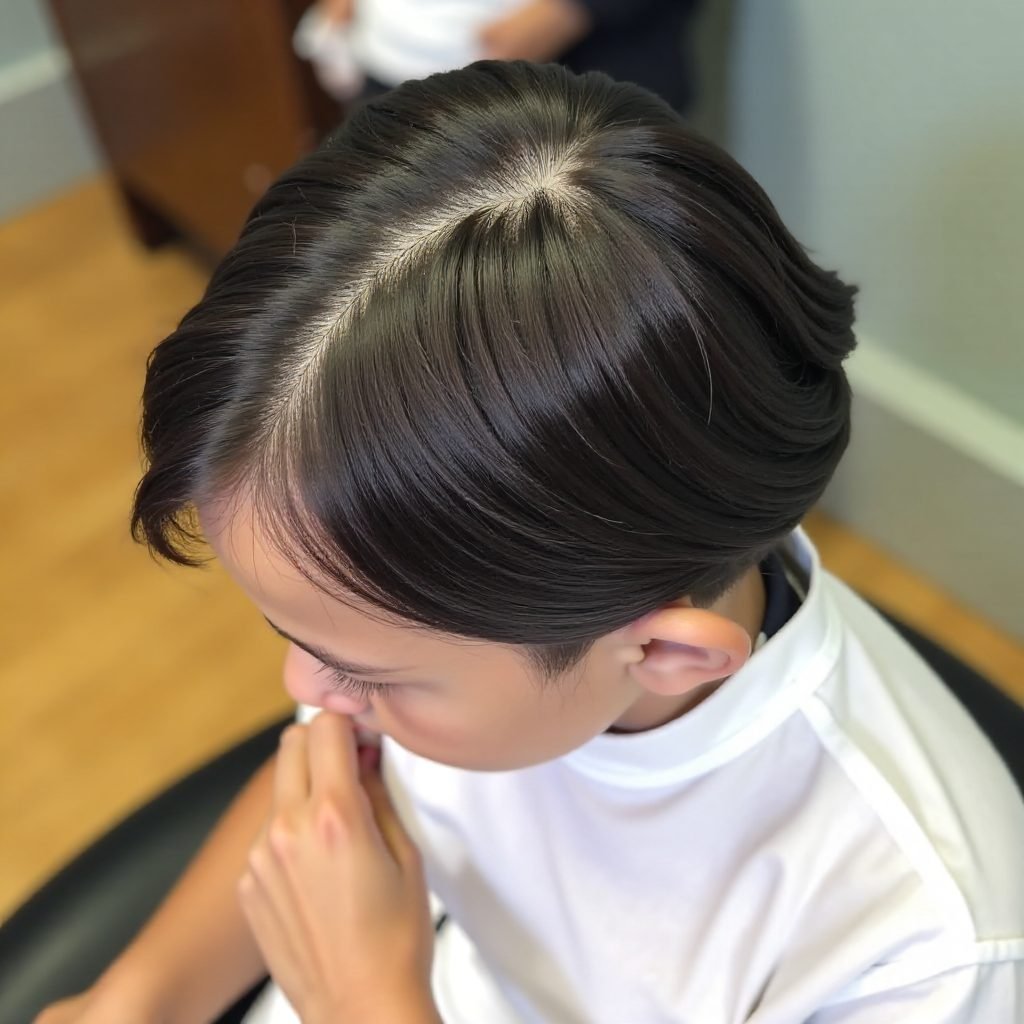
Retwisting natural locs into two-strand twists gives them more definition and uniformity for a change of look. The freeform character returns once the twists loosen over time. Ask for a gentle retwist so the roots are not pulled too tight, which can cause thinning over time.
Inspiration: @kentathehairartist
8. Chunky Natural Afro Locs

Chunky locs stand out in every direction, creating volume and wild character. A clean line-up at the front brings a touch of polish to the otherwise rugged shape. Clarifying washes keep the chunky locs light and free of build-up, and regular drying keeps them fresh.
Inspiration: @lesbeautyeffect
9. Dyed Freeform Locs

Colour can be added to locs, and dye often tightens them. Mature locs handle colouring better because they are stronger and less likely to break. If you dye first, give hair time to recover before starting locs.
Inspiration: @gaiadeityy
10. Waist-Length Congos
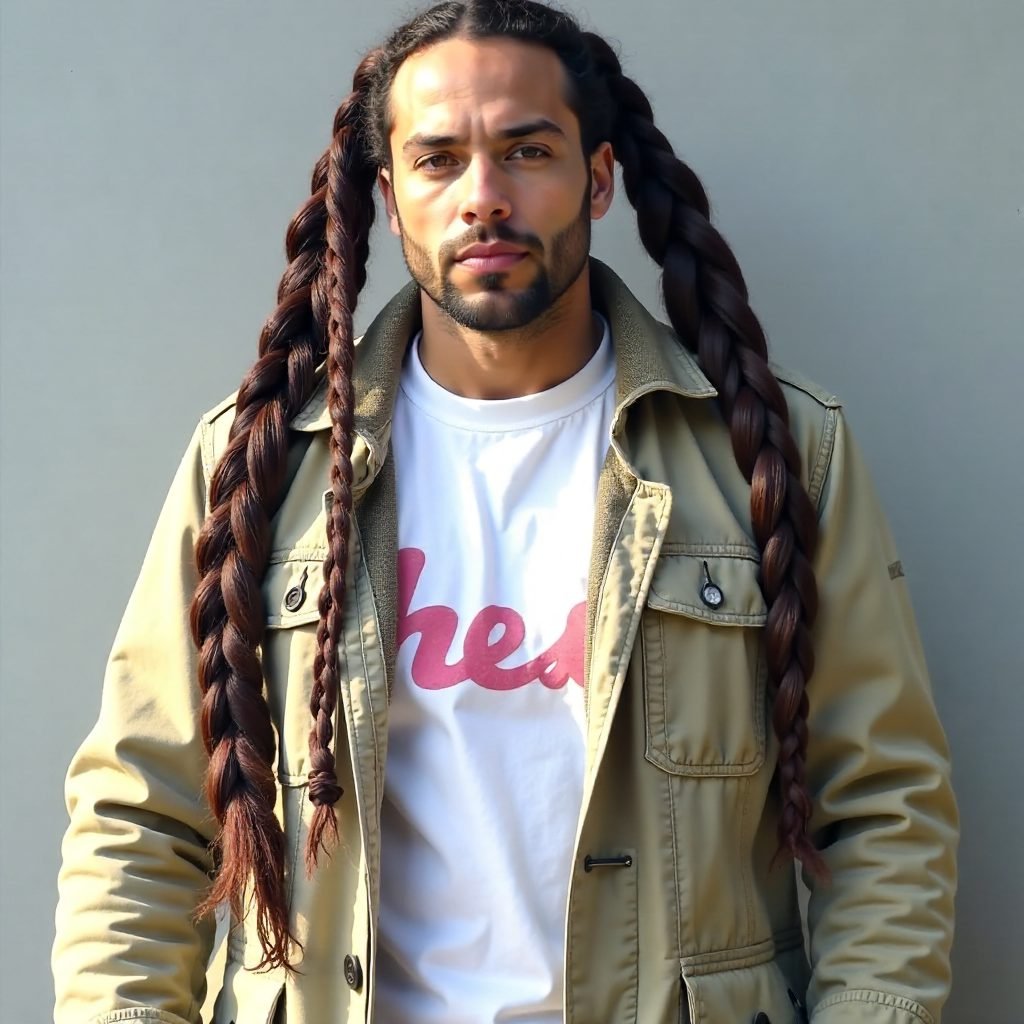
Waist-length Congos are striking but demand commitment. Their weight means regular washing, careful drying and moisturising to prevent build-up and breakage, and you should watch for tension on the scalp. A loose updo can ease the weight on long days.
Inspiration: @johnny_thedred
11. Semi-Freeforms with Cowries
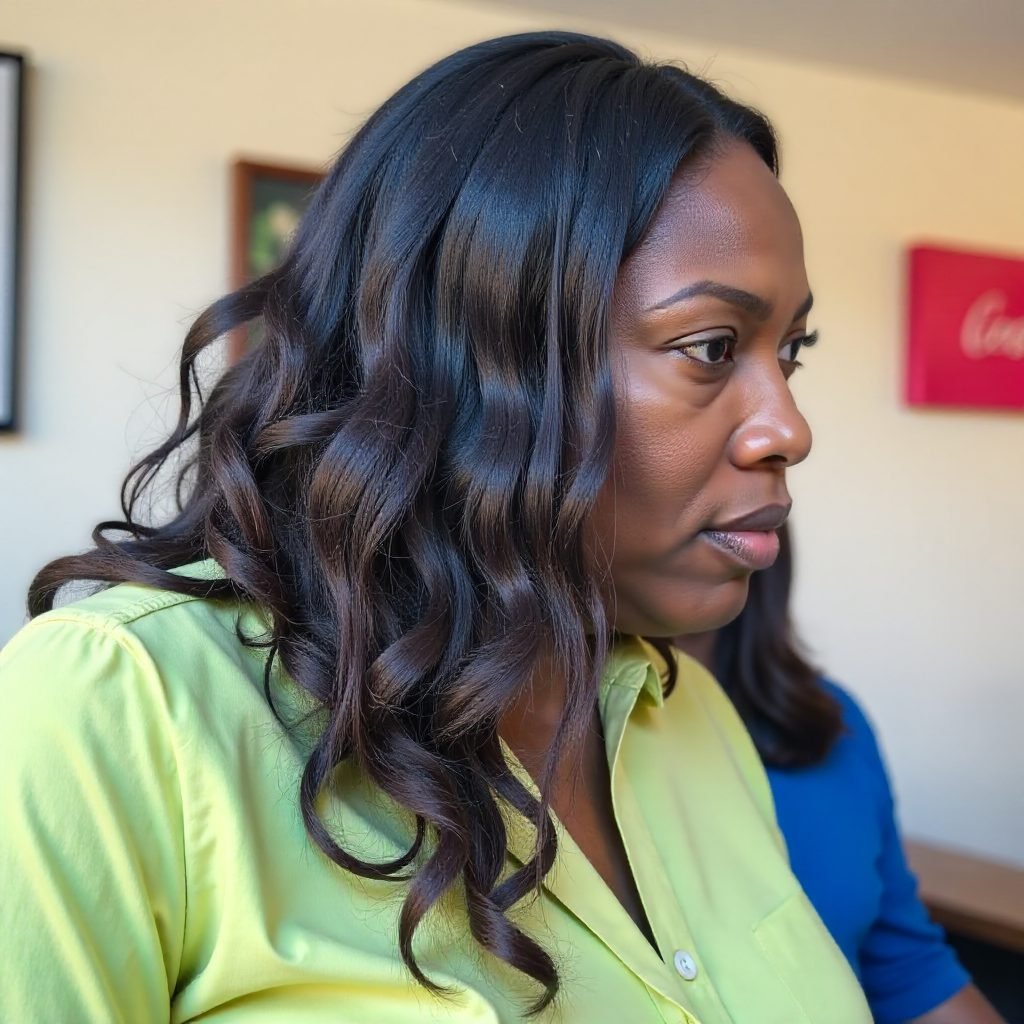
Cowrie shells decorate long semi-freeform locs. To attach them, thread a small elastic or thread through the shell opening, wrap it around the loc and secure it firmly. A metal cuff or clip is an easier alternative.
Inspiration: @lauryn.rainey
12. Twisted Locs
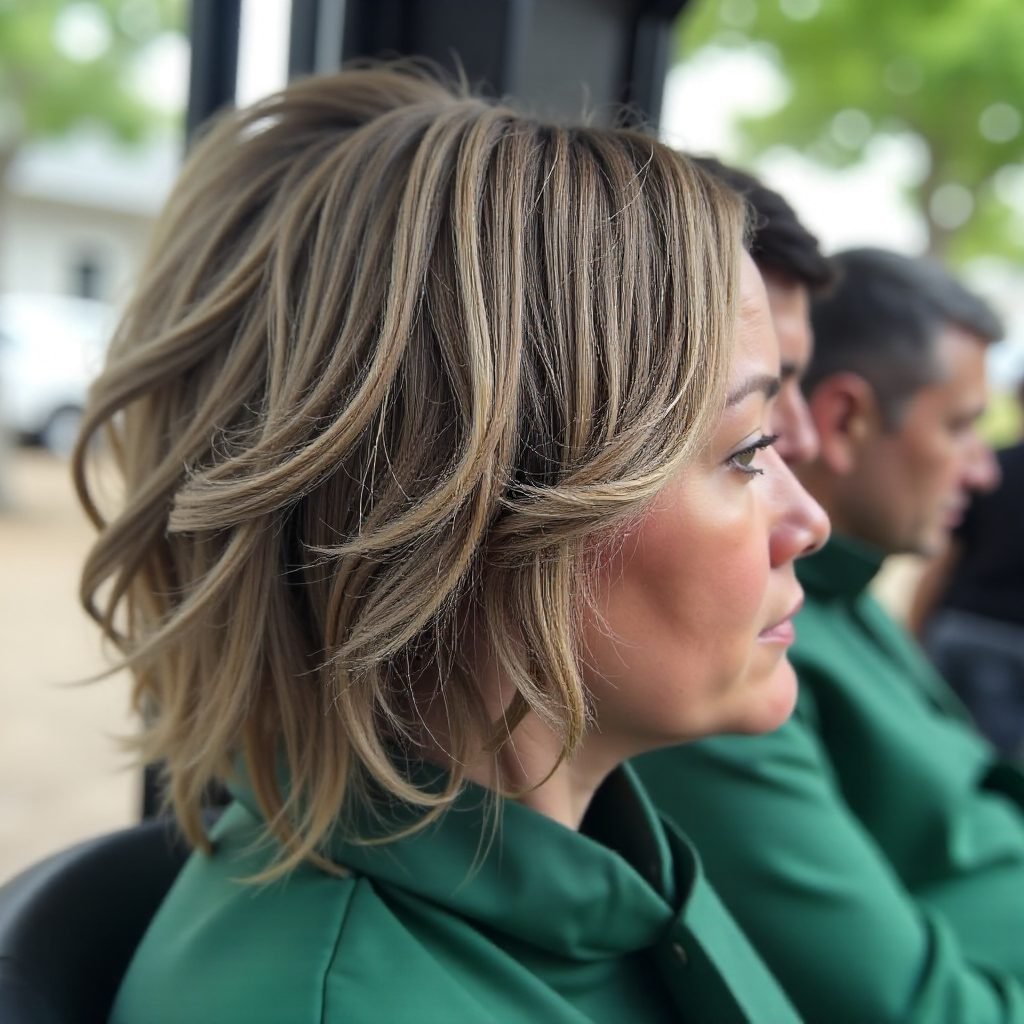
A fresh retwist gives neat, clearly defined sections at the root while the lengths keep their natural texture. Creative scalp parting makes the overall look polished and supports even maturing. Avoid retwisting too often, as constant tension can weaken the roots.
Inspiration: @sheslocdnlove
13. Locs with Fade
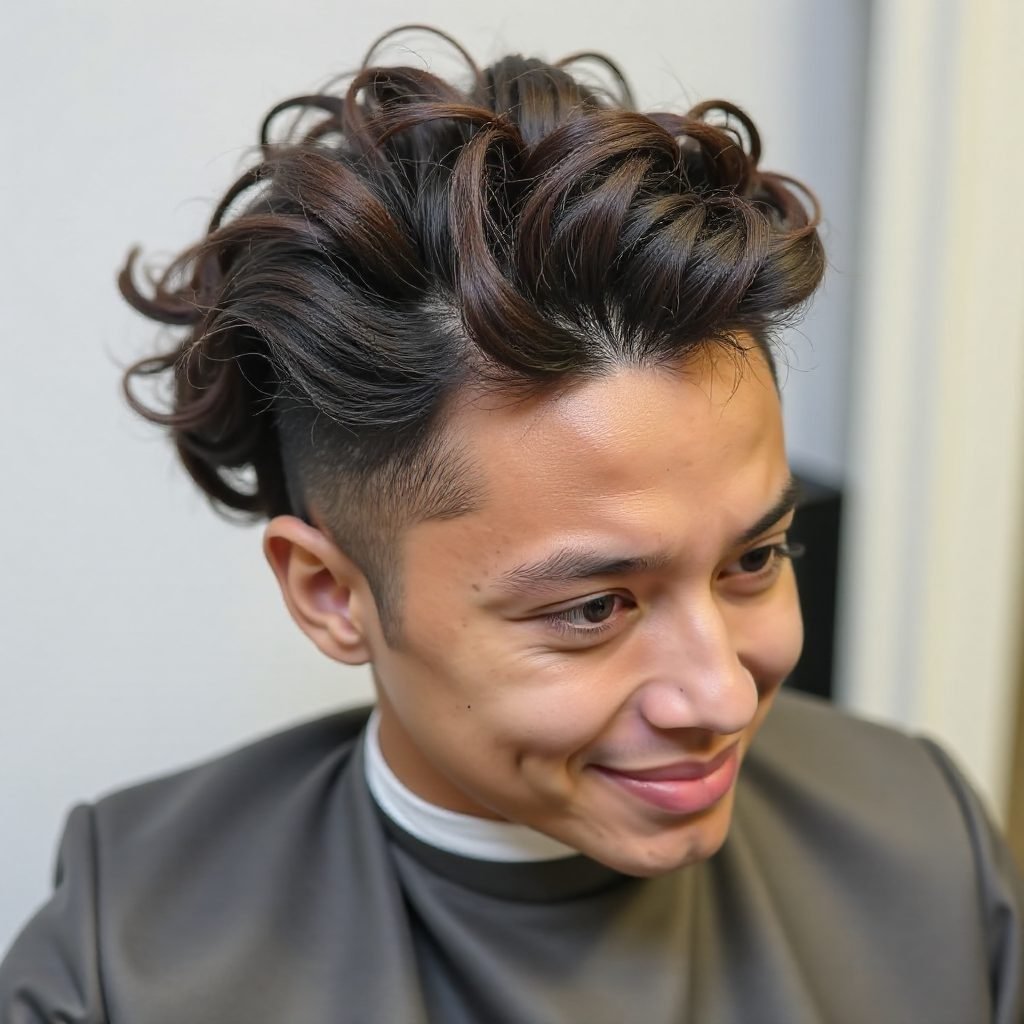
A low fade defines the sides while the locs on top grow freely. Mid or high fades also work, as long as the blend into the locs is smooth. Ask your barber to blend the fade upwards gradually so the transition looks natural.
Inspiration: @kp_dabarber94
14. Fluffy Dreads
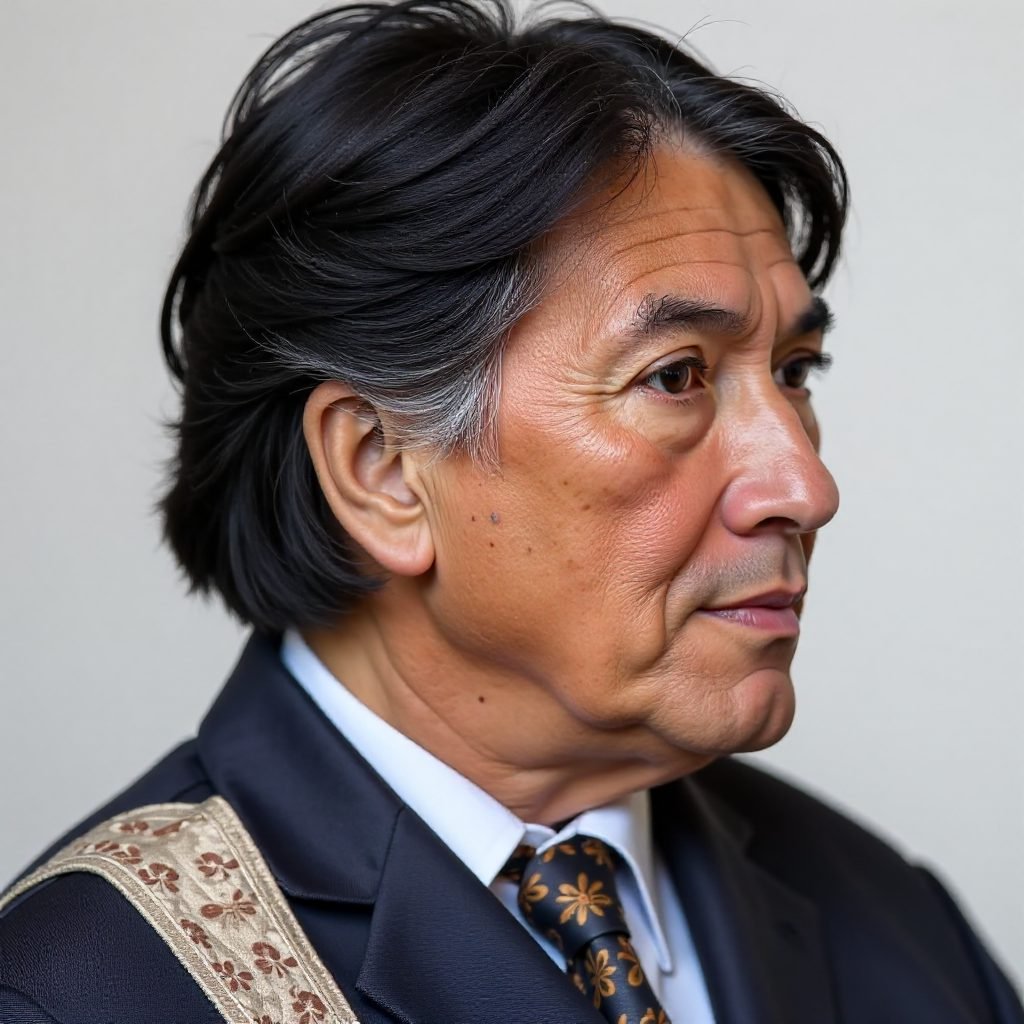
Soft, puffy dreads pair with an undercut. Wash often with residue-free shampoo and avoid heavy products. If palm rolling is needed, keep it light and never force hair into tight shapes. Dry thoroughly after each wash to keep them light and fresh.
Inspiration: @__ojsolo
15. Locs with Highlights

Short freeform locs are brightened with highlights. Use a mild bleach applied sparingly, deep condition before and after, and leave plenty of time between sessions so the locs can recover. Placing highlights on just a few locs limits damage and still adds dimension.
Inspiration: @amicoart
Caring for freeform locs as they mature
- Wash every one to two weeks with a clarifying, residue-free shampoo; heavy creams and waxes trap lint and cause build-up.
- Dry thoroughly after washing, ideally with a microfibre towel and some time under a hooded dryer, to prevent musty odour.
- Decide how much separating you want. Pulling roots apart gently keeps locs thinner; leaving them alone lets them combine into Congos.
- Sleep on a satin pillowcase or bonnet to reduce frizz and lint.
Adding colour and accessories safely
Mature locs are stronger and handle dye better than young ones. If you bleach, use a lower-volume developer, deep condition before and after, and leave months between sessions. Lightweight cuffs, beads and shells are fine, but avoid heavy accessories on the same locs every day, and watch for tension at the scalp, especially with long, thick locs.