
Once you know the basic three-strand plait, a whole family of braids opens up, and most of them are variations on just a few moves: crossing strands over, crossing them under, adding hair as you go or dropping it. This guide walks through forty types, starting with the foundations (French, Dutch, fishtail, rope and side braids) and moving through decorative techniques such as lace, waterfall, ladder, infinity, bubble and pull-through braids. Multi-strand options, including 4-strand and 5-strand plaits, sit alongside statement looks like a Viking braid, a 3D braided mohawk and a mermaid braid.
A large part of the list covers braids rooted in African and African-American traditions, including cornrows, Fulani, Lemonade, stitch, feed-in, tree, crochet and micro braids. These are typically installed by a braider and worn for weeks as protective styles, whereas most of the others are done in minutes and taken out the same day.
Your hair type guides the choice. Textured hair holds cornrows and box braids well; straight, slippery hair benefits from texturising spray before a fishtail or crown braid; and layered or growing-out bangs are easiest to tame with a lace braid along the hairline.
1. French Braid
Next to the basic three-strand plait, the French braid is the most adaptable style to learn. Keep it tight and smooth for a polished, office-appropriate look, or loosen it and pull out a few face-framing pieces for something softer. Balayage colour shows off the woven texture.
Inspiration: @roralovestrand
2. Dutch Braid
The Dutch version follows the French method with one change: strands cross beneath each other instead of over. That makes the plait sit raised on top of the head rather than lying flat, so it looks bolder and more defined. It is a great base for boho-style loosening.
Inspiration: @sabrinadijkman
3. Fishtail Braid
Rather than three strands, a fishtail uses two sections, with small pieces passed from the outside of one to the other. The result resembles the scales of a fish tail. Its fine, intricate pattern makes it a favourite for weddings and dressy events.
Inspiration: @melaninhairstyles
4. Crown Braid
For a regal prom look, a crown braid circles the head like a tiara. It actually works better on hair that is a day or two past washing, since a bit of grit helps it hold. Combine different braid types within the crown for extra interest.
Inspiration: @theupdogirl
5. Box Braids

Individually installed three-strand plaits form this style, each in its own square or triangular section, and they can be made in many sizes. Each begins with a secure base at the root. Pink peek-a-boo braids or hair jewellery are easy ways to personalise them.
Inspiration: @trancascaroline
6. Cornrows
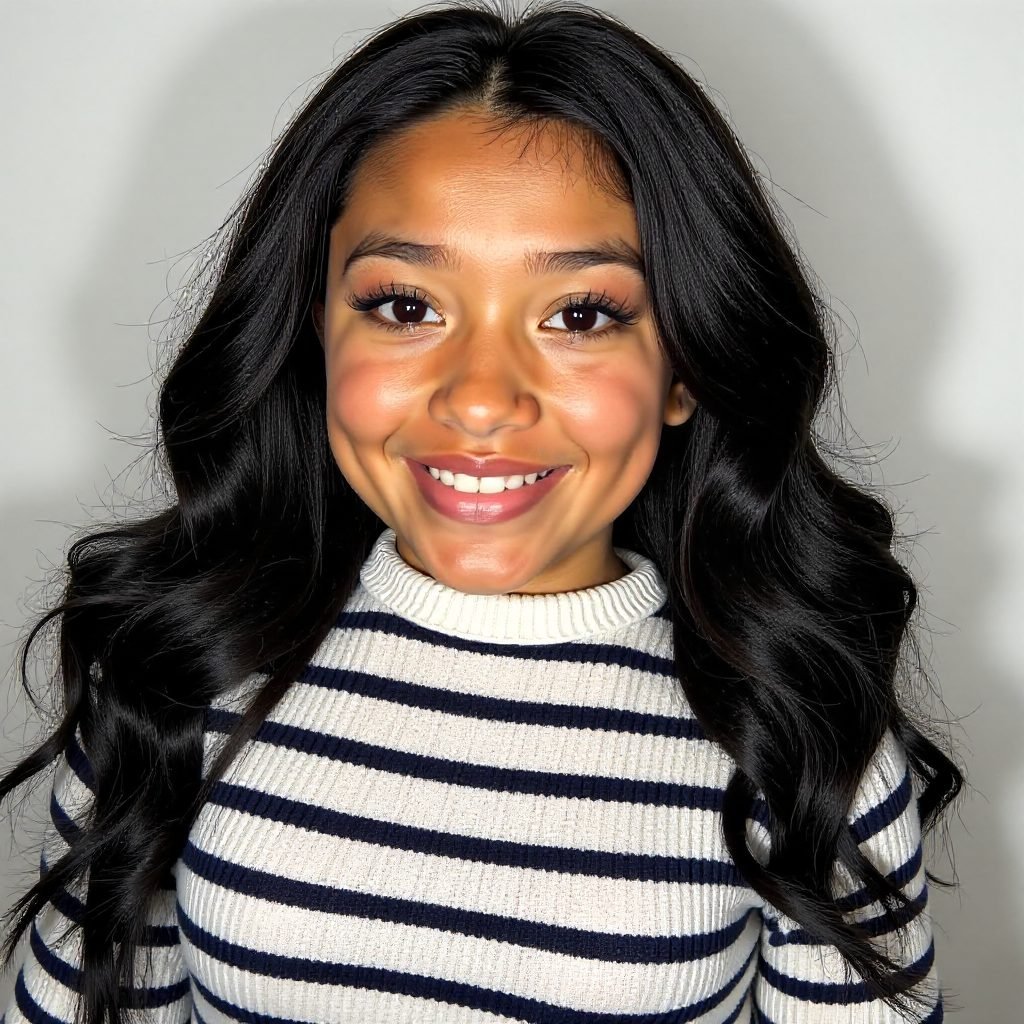
Braided flat against the scalp, cornrows are a reliable protective option for curly and textured hair. Front-to-back is the traditional direction, but diagonal lines, centre parts or zigzag patterns give the classic a fresh twist. Here the rows end in loose curls.
Inspiration: @slayedbyjakug_
7. Fulani Braids
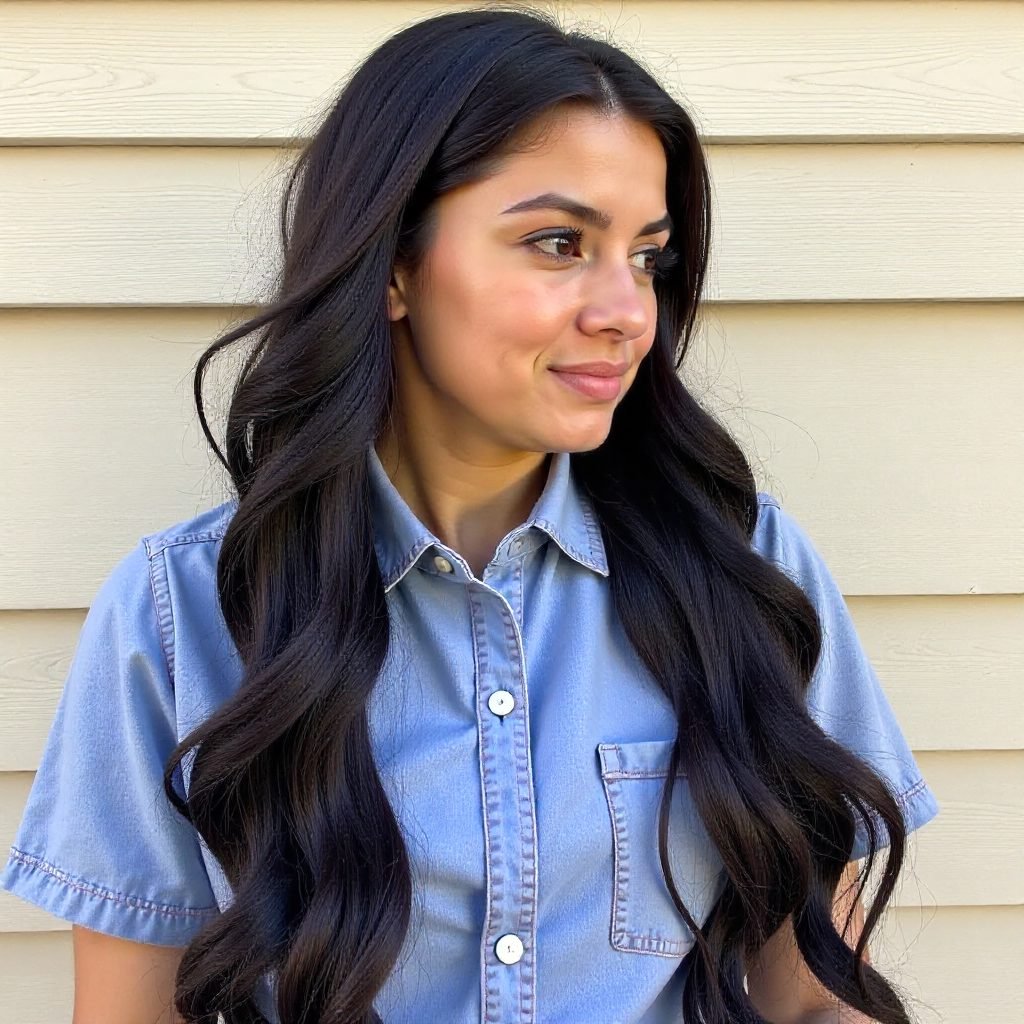
Named after the Fulani, a people of West Africa, these braids usually combine a centre part with cornrows or braids along the sides. Beads, shells and other ornaments are traditionally added, giving the style a strong cultural character.
Inspiration: @braids_n_makeup
8. Rope Braid
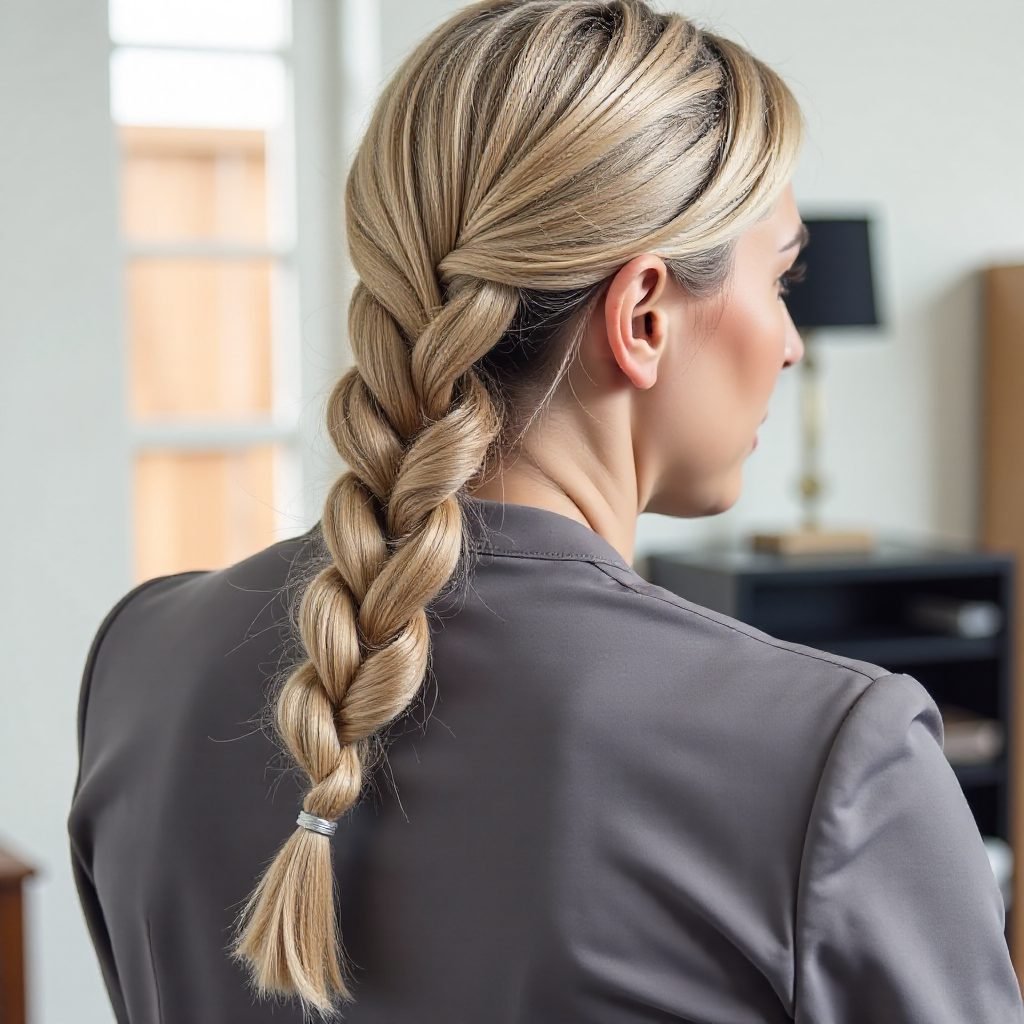
Also called twist braids, rope braids are made by twisting two sections and then wrapping them around each other in the opposite direction. The corded result is easy to master and adds an elegant detail to a low ponytail.
Inspiration: @jadefarmiloemua
9. 3D Braid
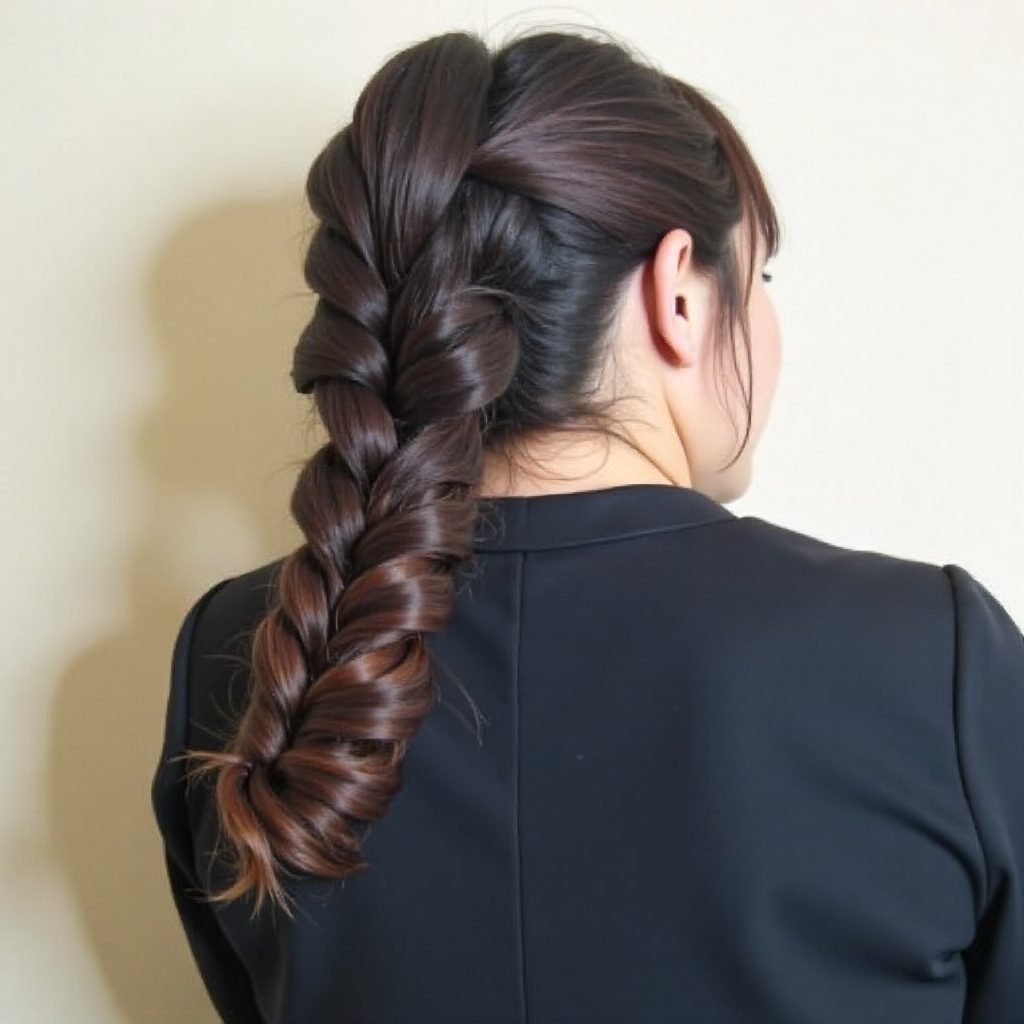
A 3D braid layers several plaits or uses special weaving techniques to build a multi-dimensional effect that stands out from the head. Here it forms a braided mohawk, a style that is guaranteed to get noticed.
Inspiration: @toniandguy_winchester
10. Pigtail Braids
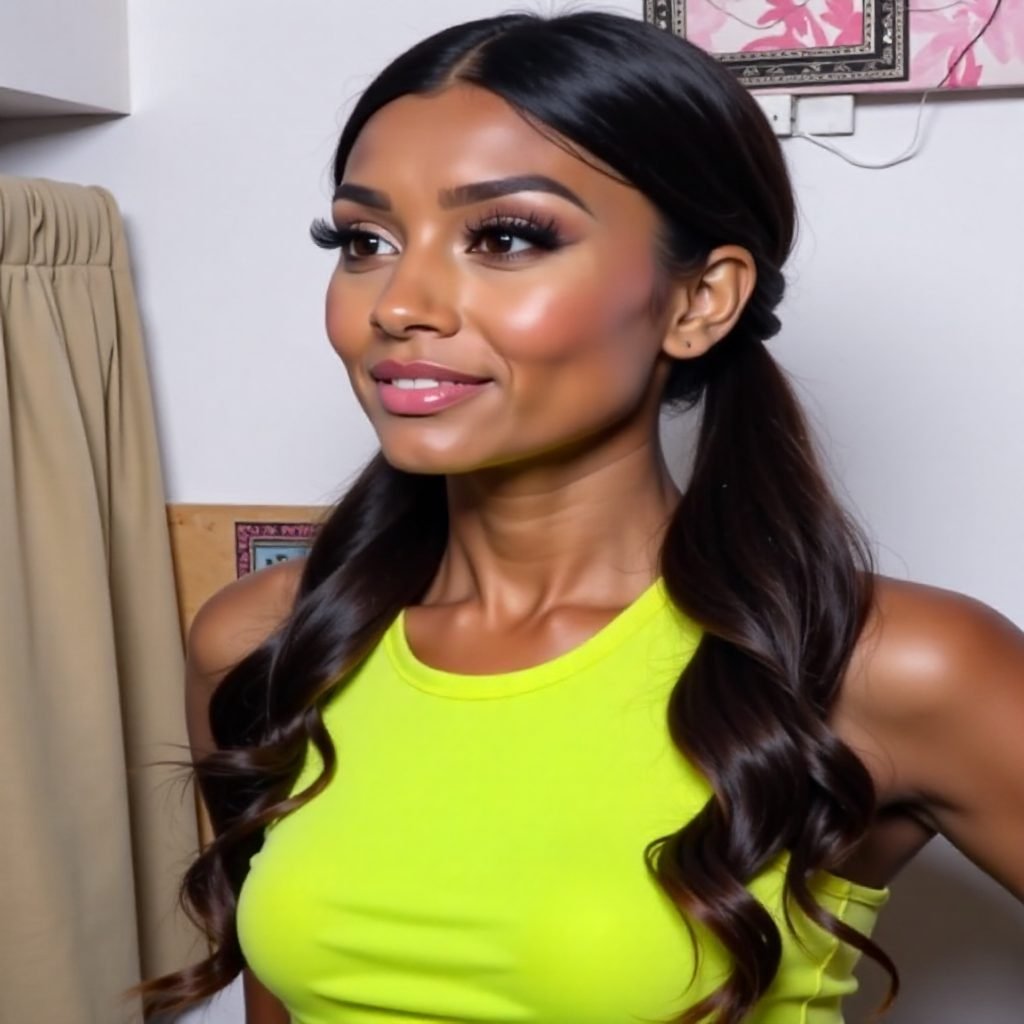
Twin plaits have a playful, nostalgic feel that recalls childhood, but they can easily be made more grown-up. A little flexible-hold gel smooths the parting and flyaways so the twin braids look sleek and intentional.
Inspiration: @sara_hairstylista
11. Boxer Braids
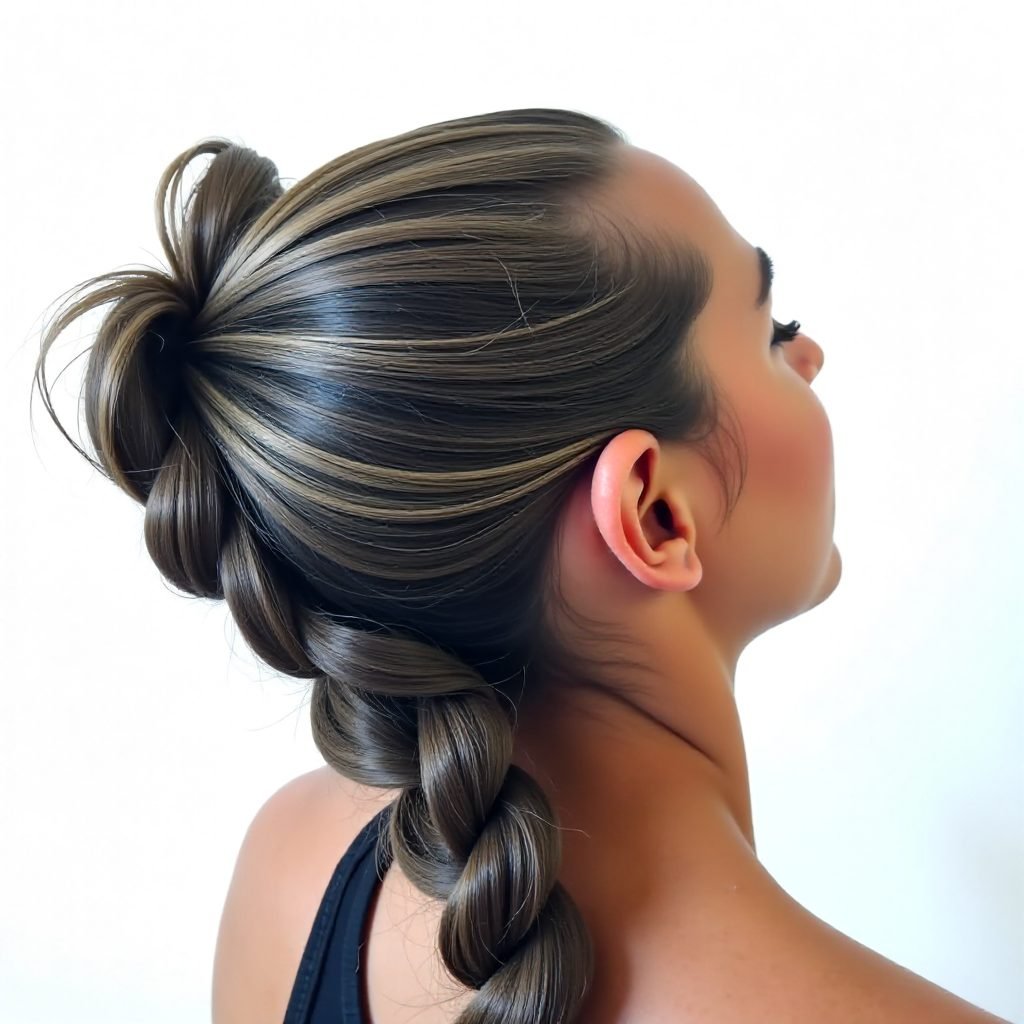
Two tight Dutch braids running from the hairline to the nape make up the boxer style. They are sporty and practical, keeping hair firmly off your face at the gym, and they also give everyday outfits a cool, edgy edge.
Inspiration: @criouloshair
12. Side Braid
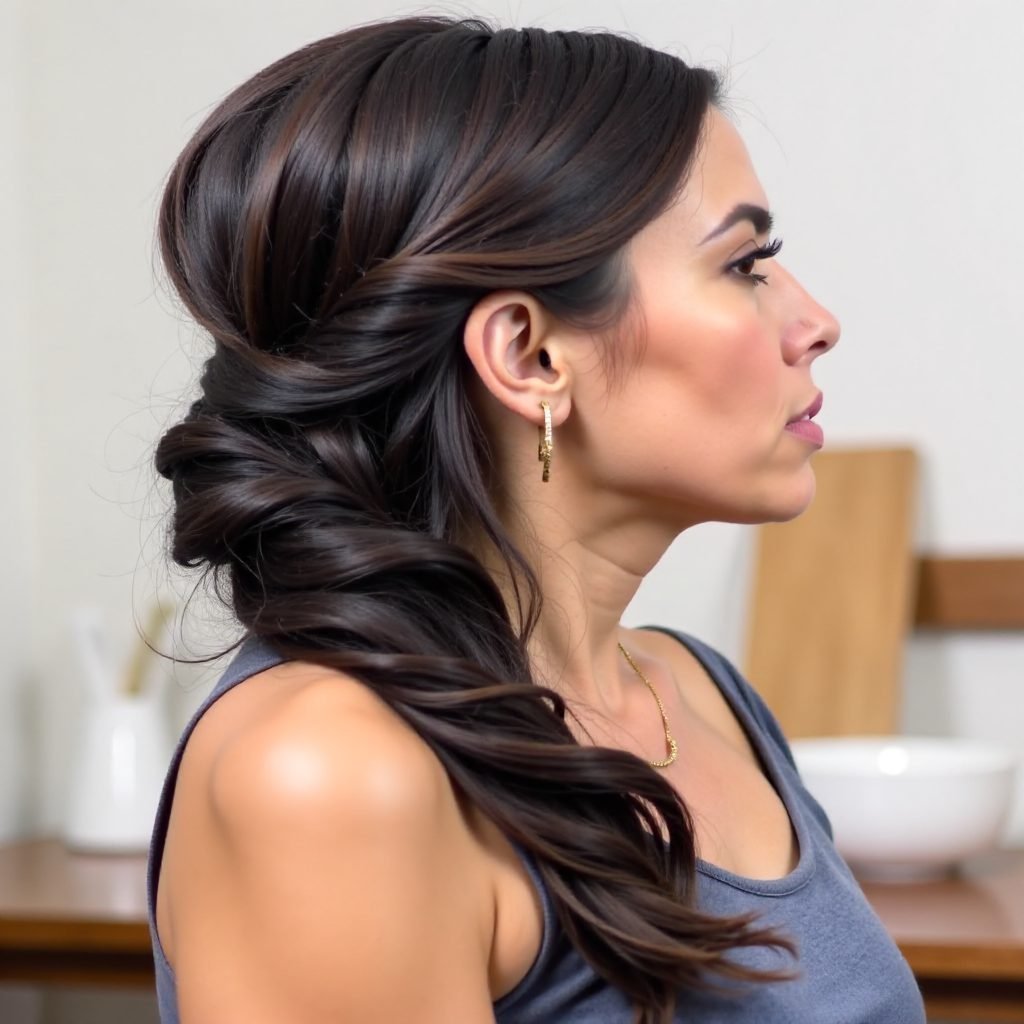
A side braid simply falls over one shoulder, which gives a relaxed, charming feel. It is equally suitable for a casual weekend or a special occasion, and loosening the plait creates the voluminous effect seen here.
Inspiration: @brite.beauty
13. Mohawk Braid
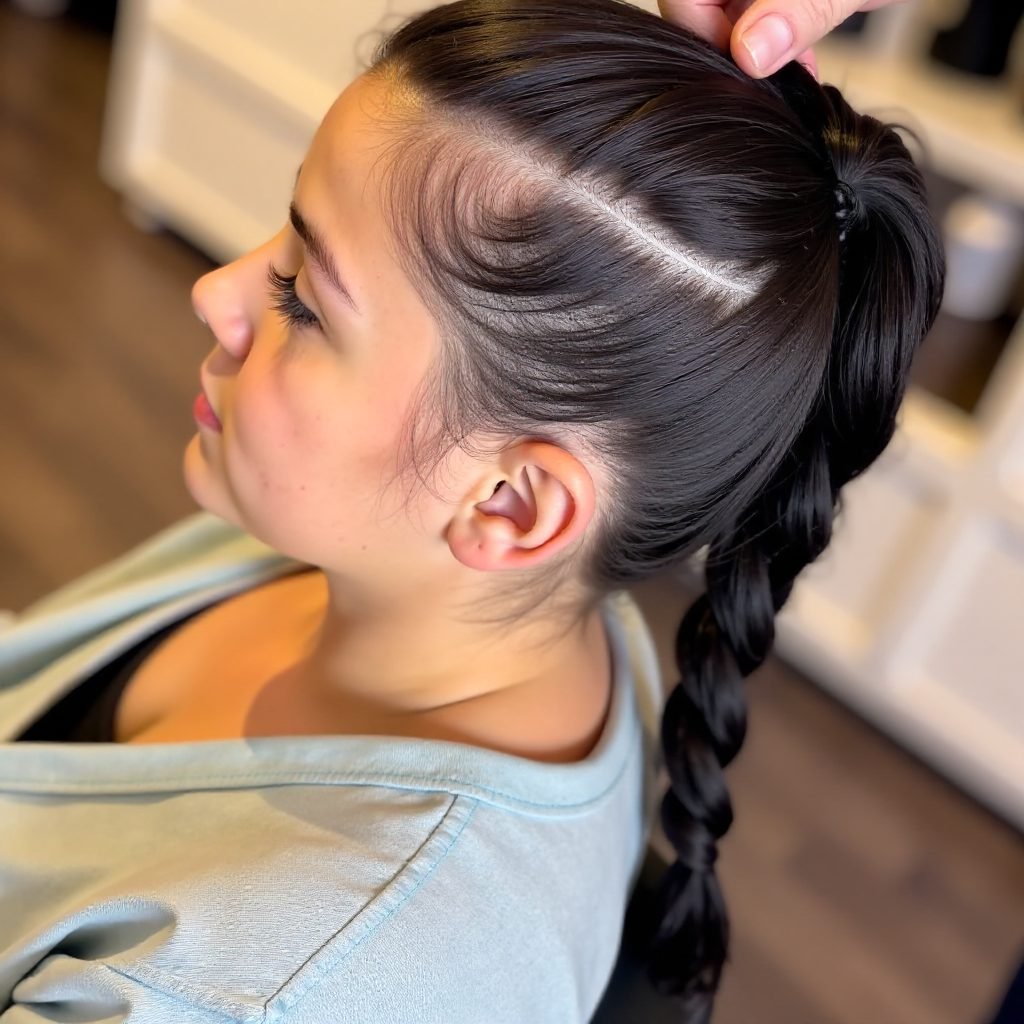
A mohawk braid runs a single plait from the forehead to the nape, with the sides pulled tight, braided or shaved for a rebellious look. This version uses switch braids along the sides to frame the central plait.
Inspiration: @houstontxbraider
14. Lemonade Braids
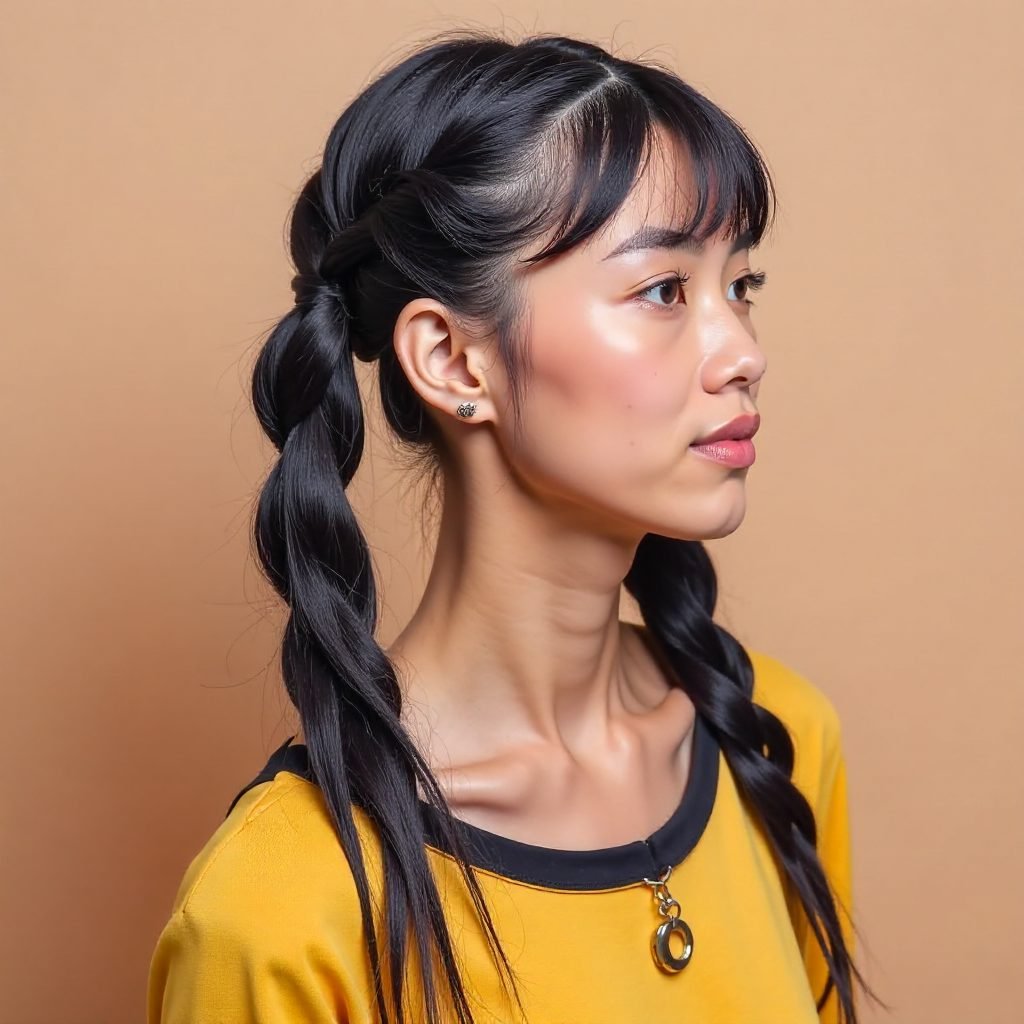
The name of this style comes from Beyoncé’s look in her Lemonade visual album. These neat cornrows sweep to one side and honour African and African-American braiding traditions. Coloured extensions and beads let you add a personal touch.
Inspiration: @shirtrancas
15. Micro Braids
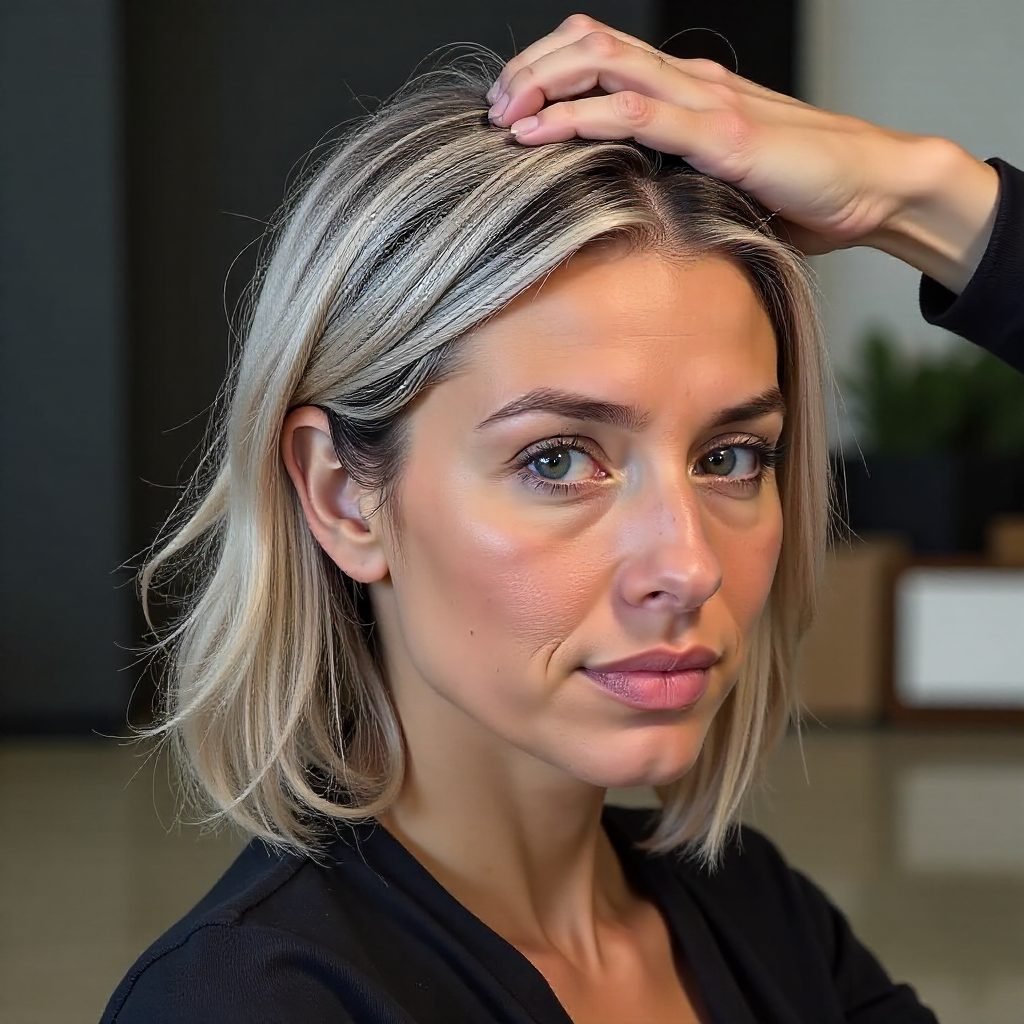
Essentially tiny box braids, micro braids are made with the same three-strand method. Their small size means installation takes many hours, so plan for a long session with your braider. The waist-length result is light, flexible and very striking.
Inspiration: @hairbywn
16. Thick Braids
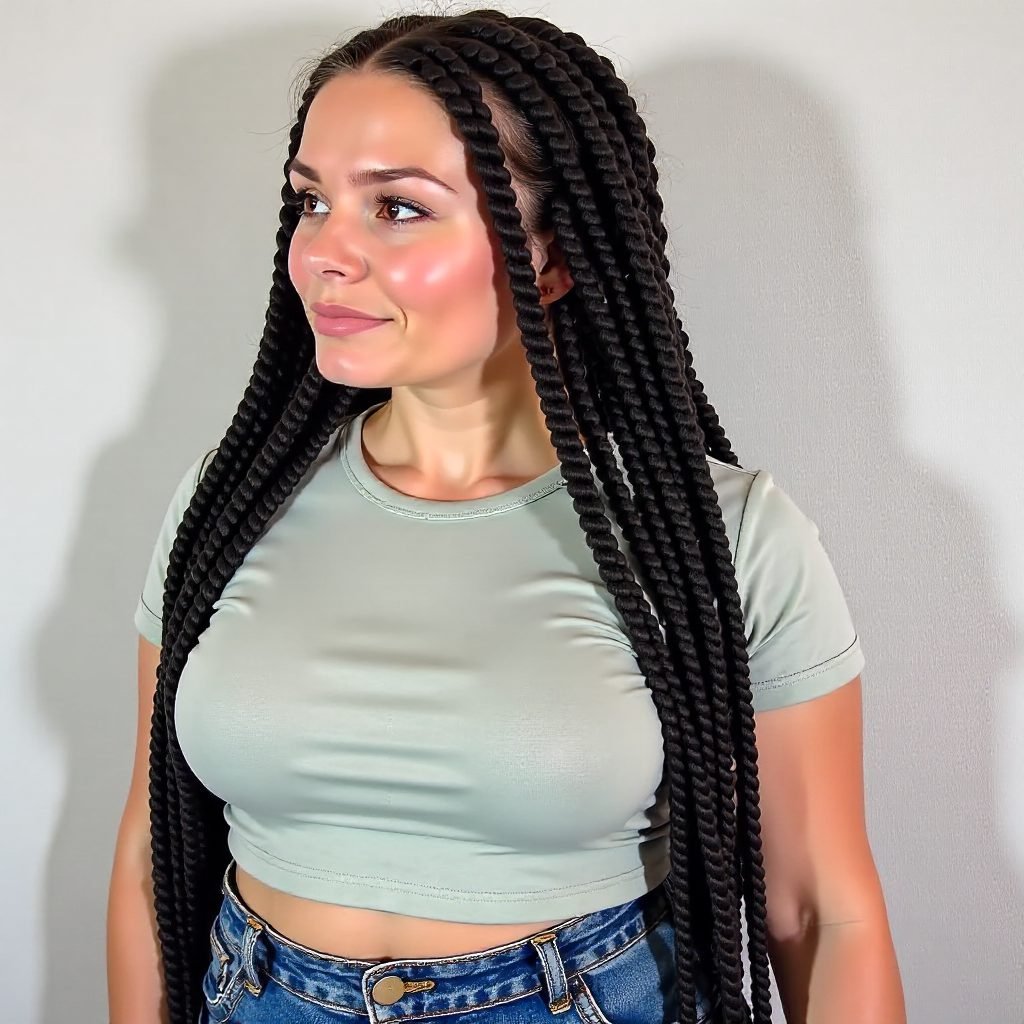
Thick Afro braids make a bold fashion statement and work as protective styles too, shielding natural hair from daily manipulation and heat. Elastics or cuffs dotted along the braids add decoration, and upkeep is minimal while they are in.
Inspiration: @neyhairs_
17. Stitch Braids
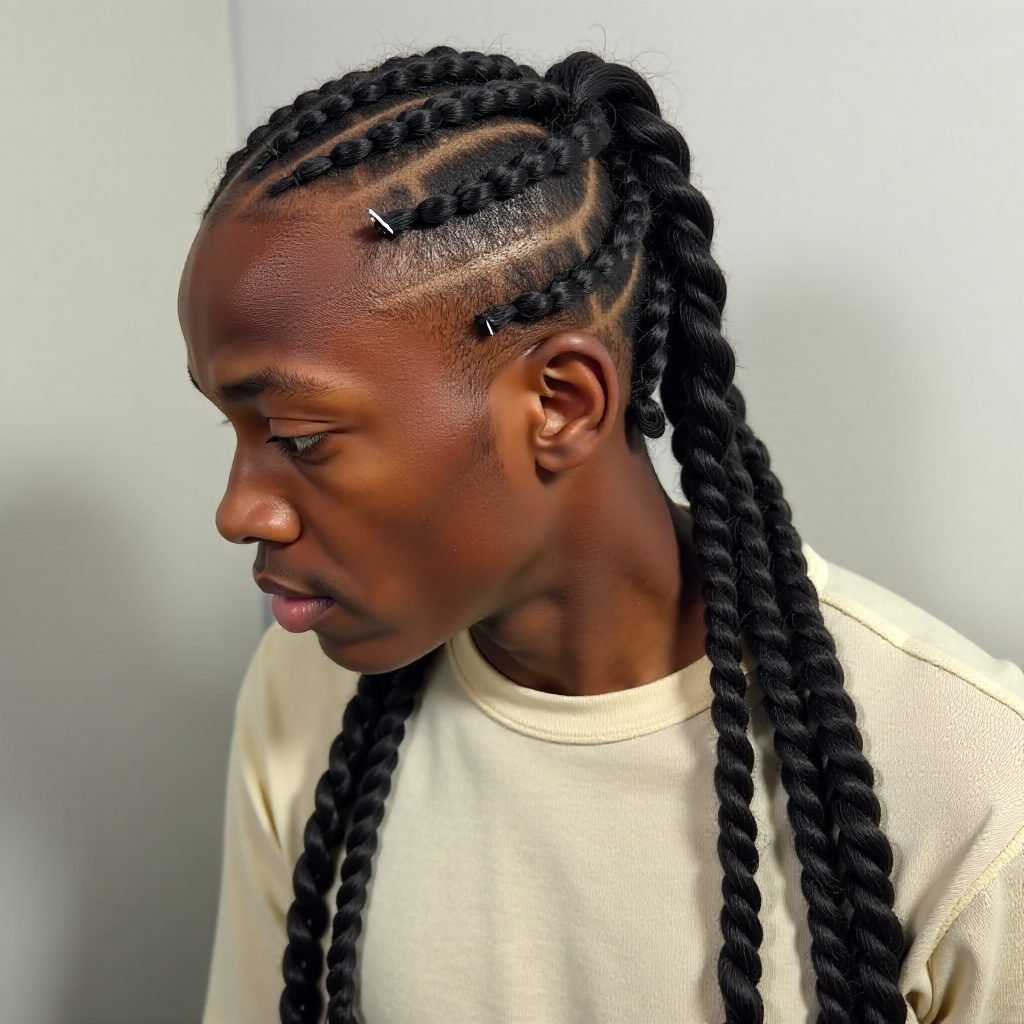
Here the cornrows are defined by crisp, evenly spaced lines that look like stitches along each row. That precision gives a sleek, polished result, and the parts can be arranged into designs such as the heart pattern shown here.
Inspiration: @themaysway
18. Crochet Braids
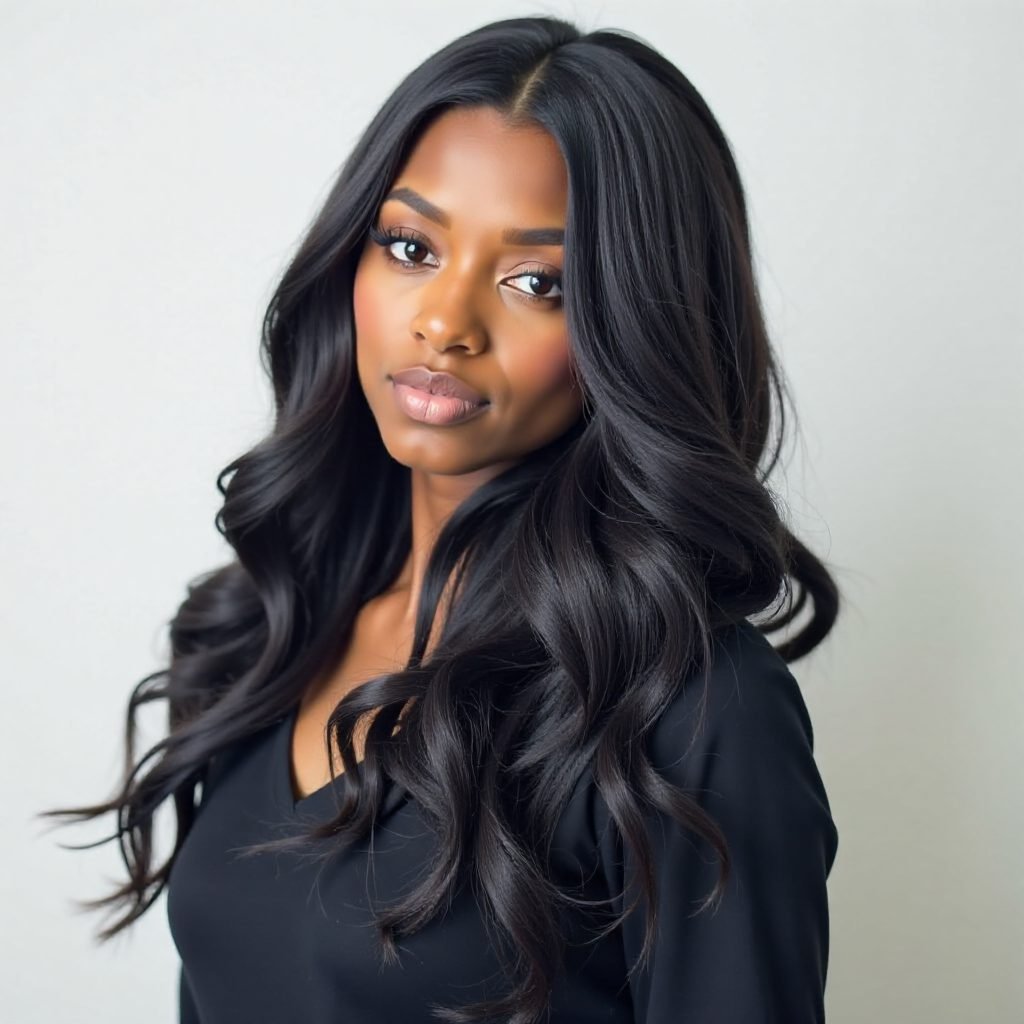
Crochet braiding, sometimes called latch hook braiding, starts with a cornrow base; extensions are then looped in with a crochet hook. It is a quick route to long braids, and pre-made locs or twists cut salon time even further.
Inspiration: @aline_selfesteem
19. Bob Braids
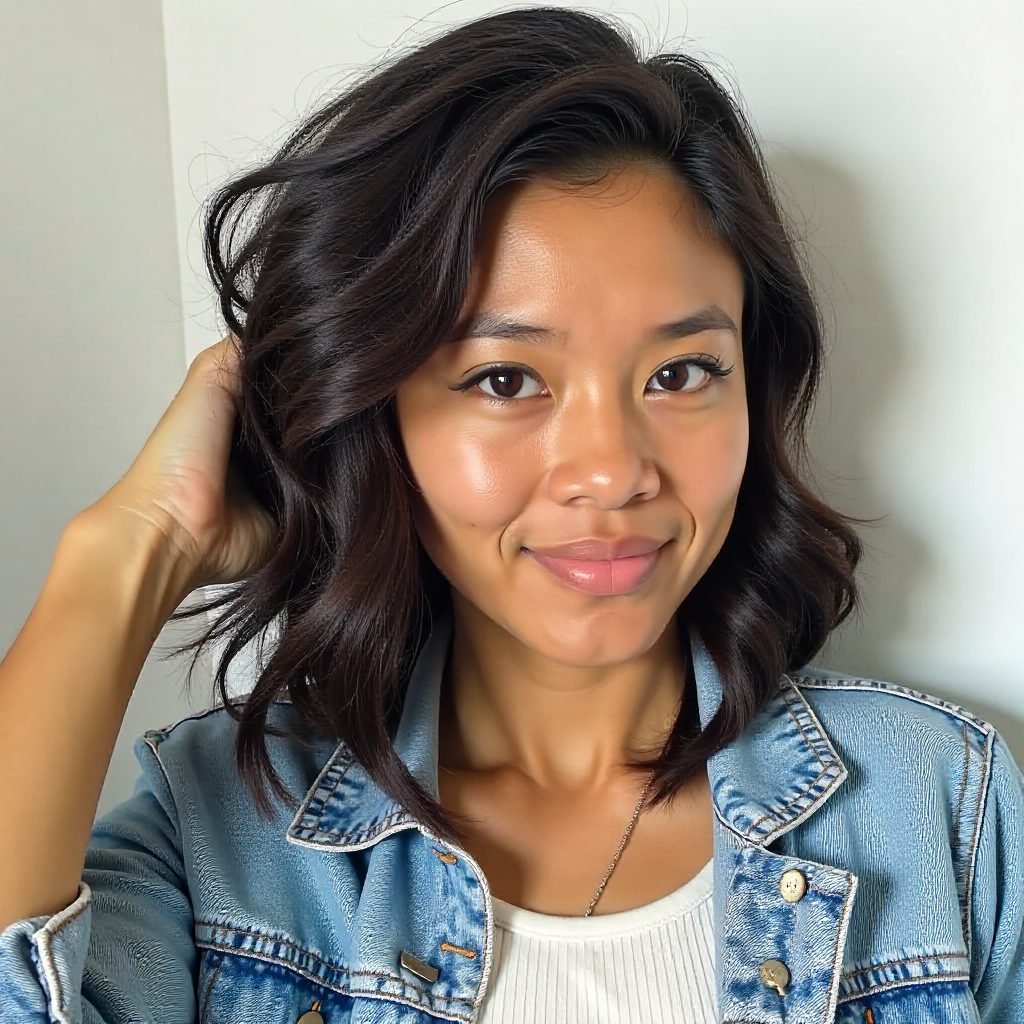
Braided bobs are a fresh, lighter option, especially popular with women who have Afro-textured hair. They protect natural strands, need very little maintenance and look stylish with a crisp middle part. The shorter length also puts less weight on the scalp than waist-length braids.
Inspiration: @brabodastrancas
20. Waterfall Braid
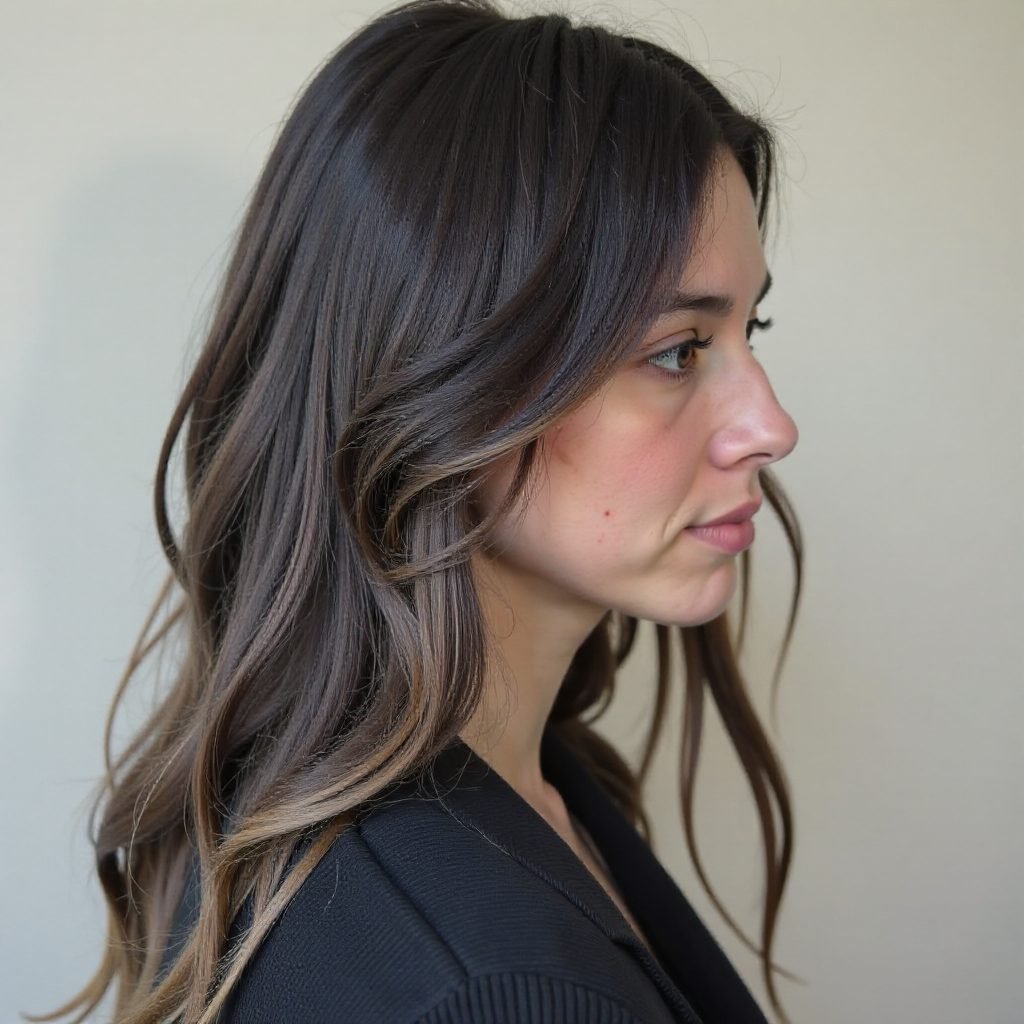
Like a French braid at first, a waterfall plait changes course: instead of keeping every strand in, you drop some to hang down as you go. The released pieces create a cascading effect that looks especially pretty on wavy hair.
Inspiration: @saloneminence
21. Milkmaid Braids
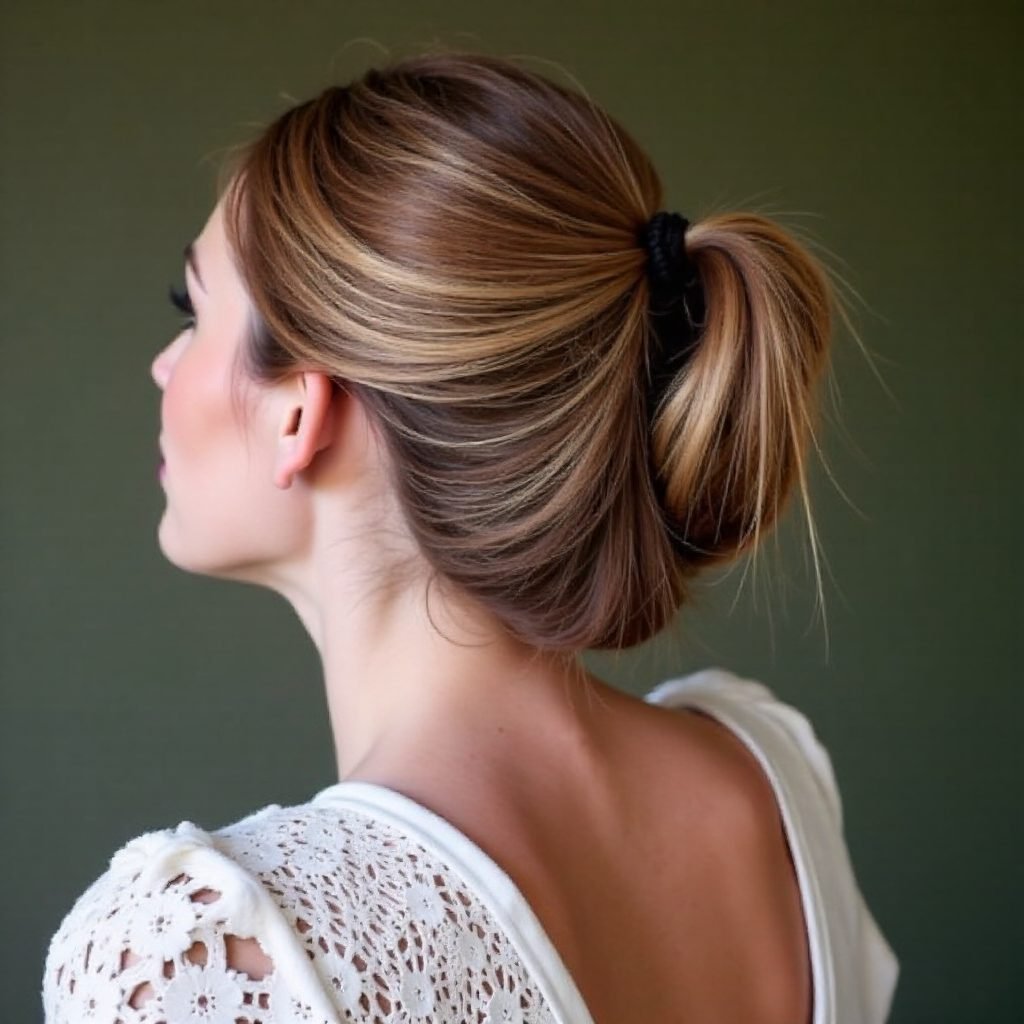
For the milkmaid style, two side braids, typically French or Dutch, are wrapped over the top of the head to meet at the crown. The look is sweet and romantic, ideal for summer weddings, picnics and garden parties.
Inspiration: @styledby.sophie
22. Upside-Down Braid
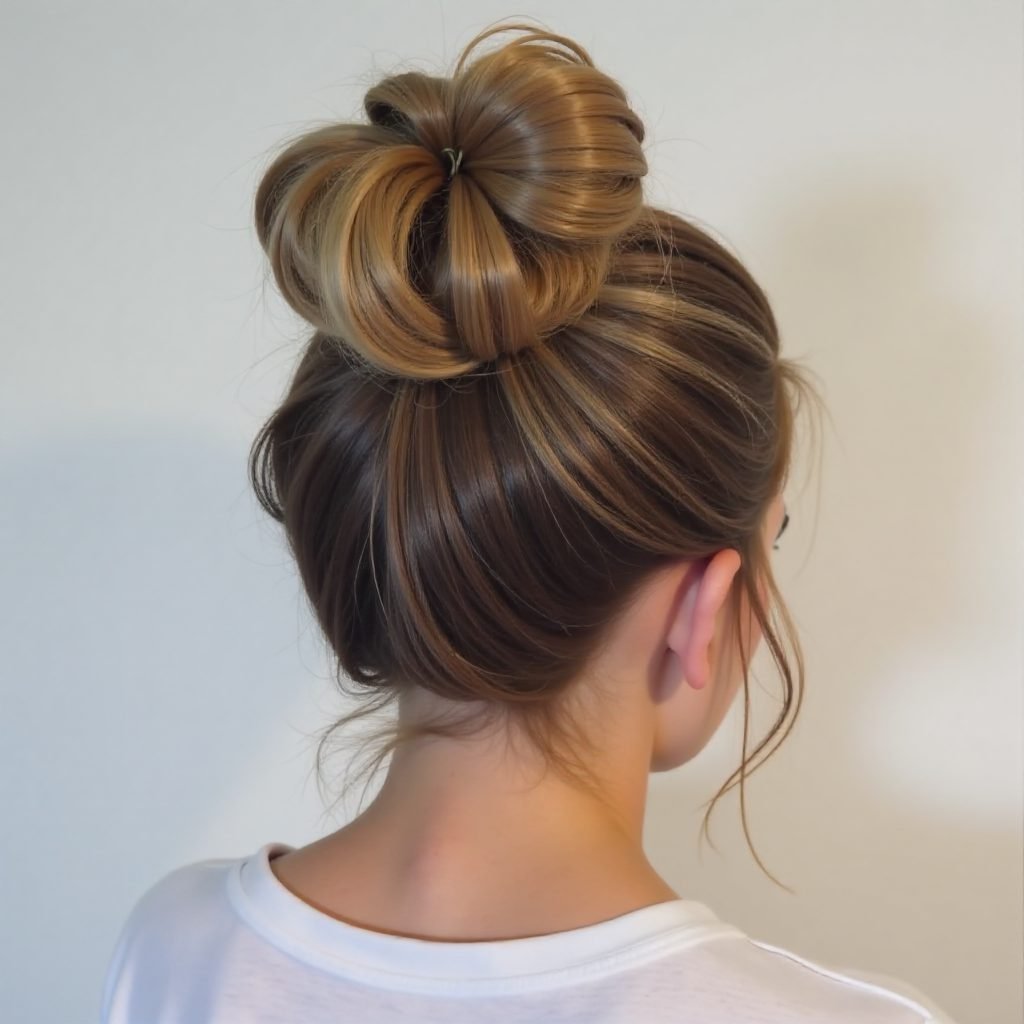
An upside-down braid starts at the nape and travels up towards the crown, reversing the usual direction. Whether done as a French or Dutch plait, it often finishes in a bun on top, like the messy version here.
Inspiration: @arte.novia
23. Lace Braid
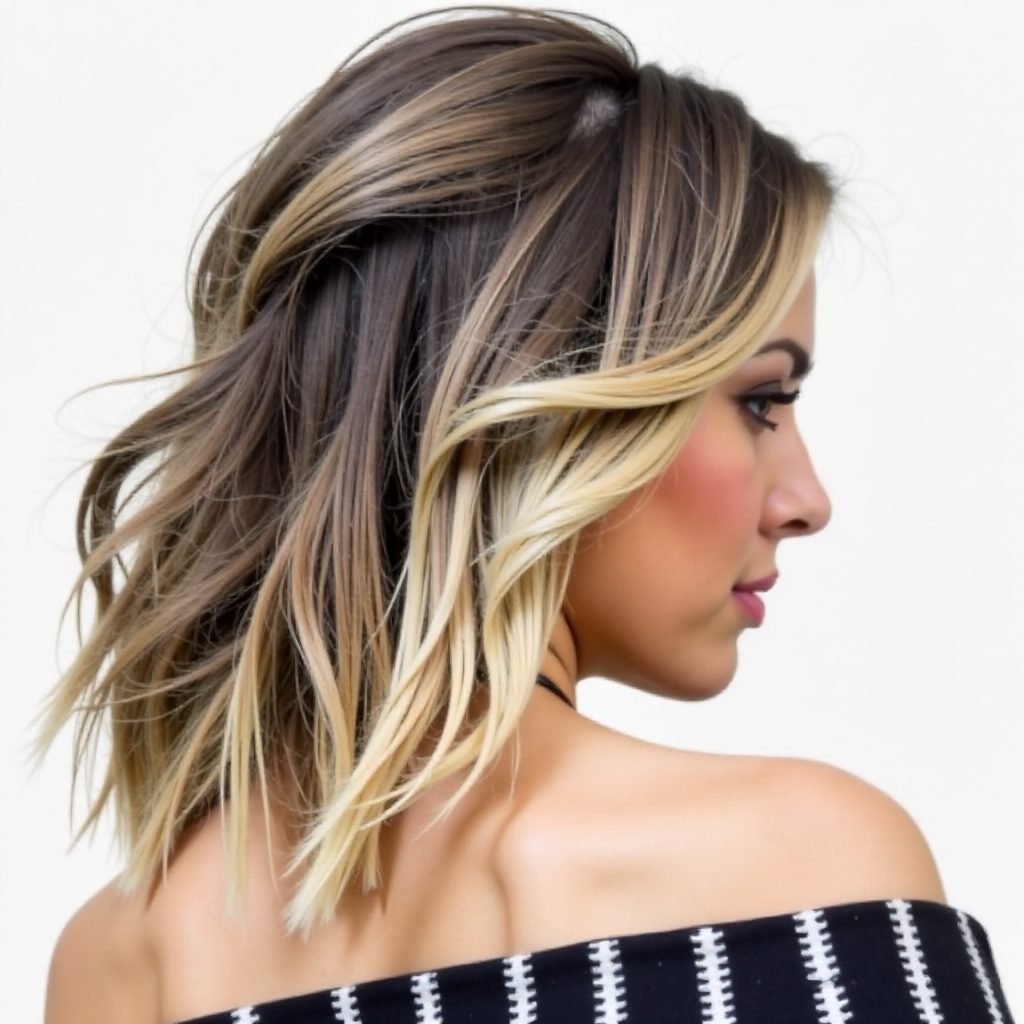
Think of a lace braid as a relaxed relative of the Dutch braid in which new hair is added from one side only, producing an asymmetric line. They are ideal for keeping growing-out bangs or short face-framing layers neatly in place.
Inspiration: @thebeachwaver
24. Infinity Braid
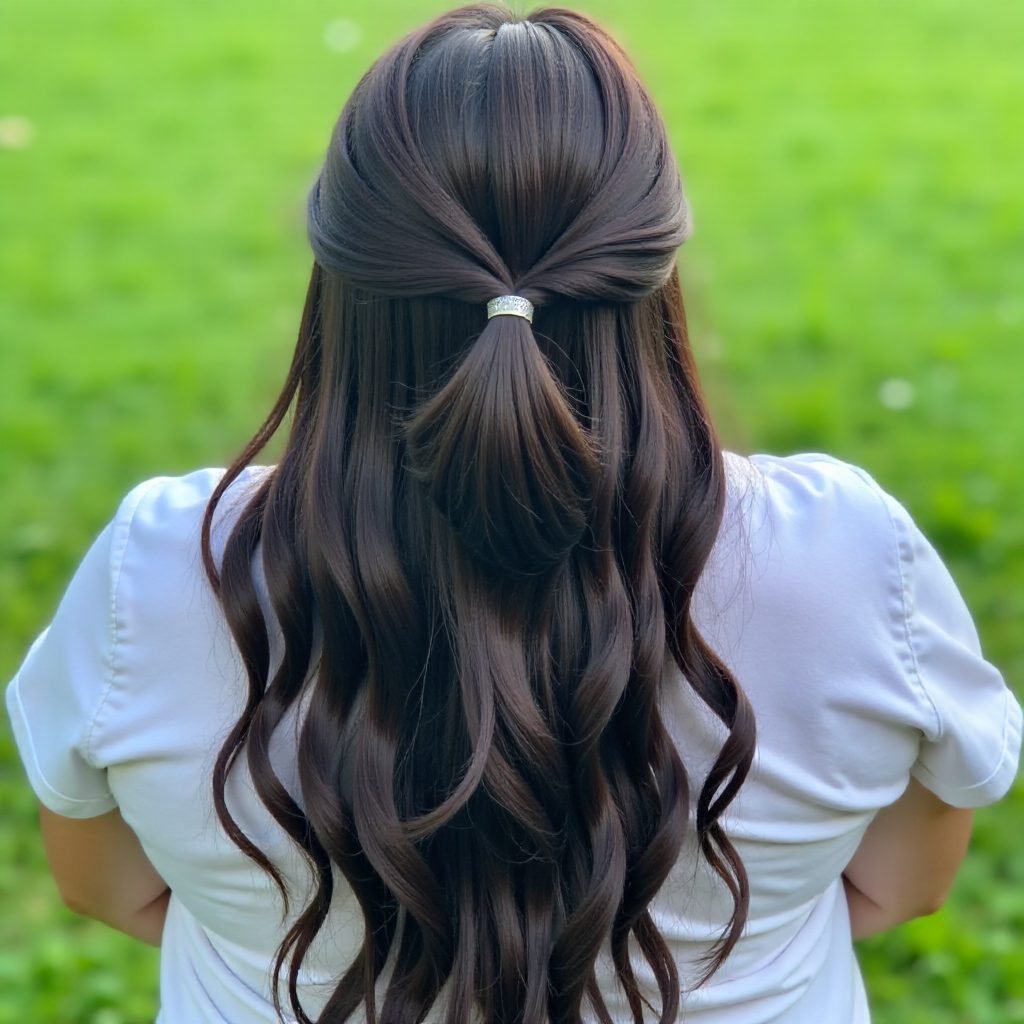
The infinity braid weaves hair in a figure-of-eight pattern that echoes the infinity symbol. It is intricate and elegant, making it a lovely choice for prom, a gala or any formal evening on long, dark hair.
Inspiration: @sandimonzon
25. Braided Bun
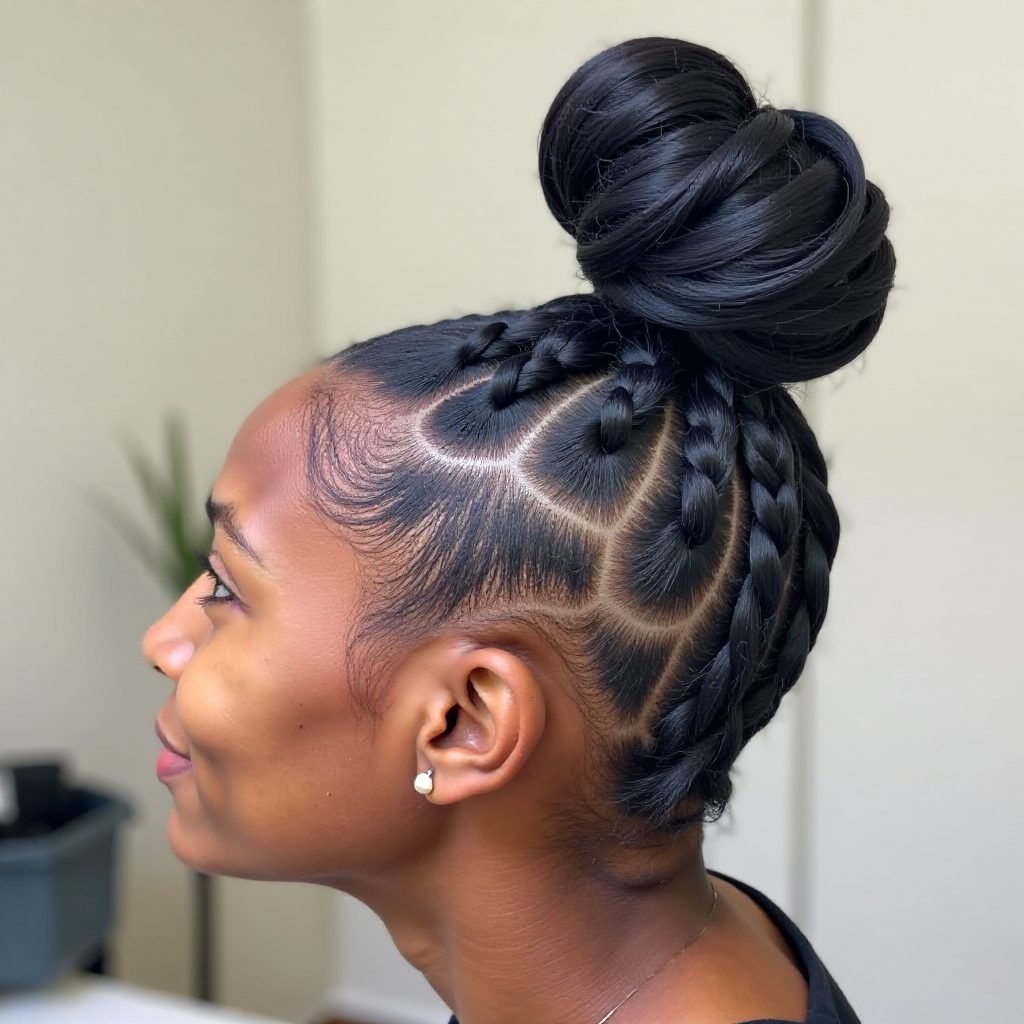
Braids and buns pair naturally. For African-American women, Senegalese twists, box braids and cornrows can all be wrapped into an elegant bun, which is both protective and practical for work or special events. Avoid pinning the bun too tightly, as that adds tension at the roots.
Inspiration: @hairbydamia
26. Braided Ponytail
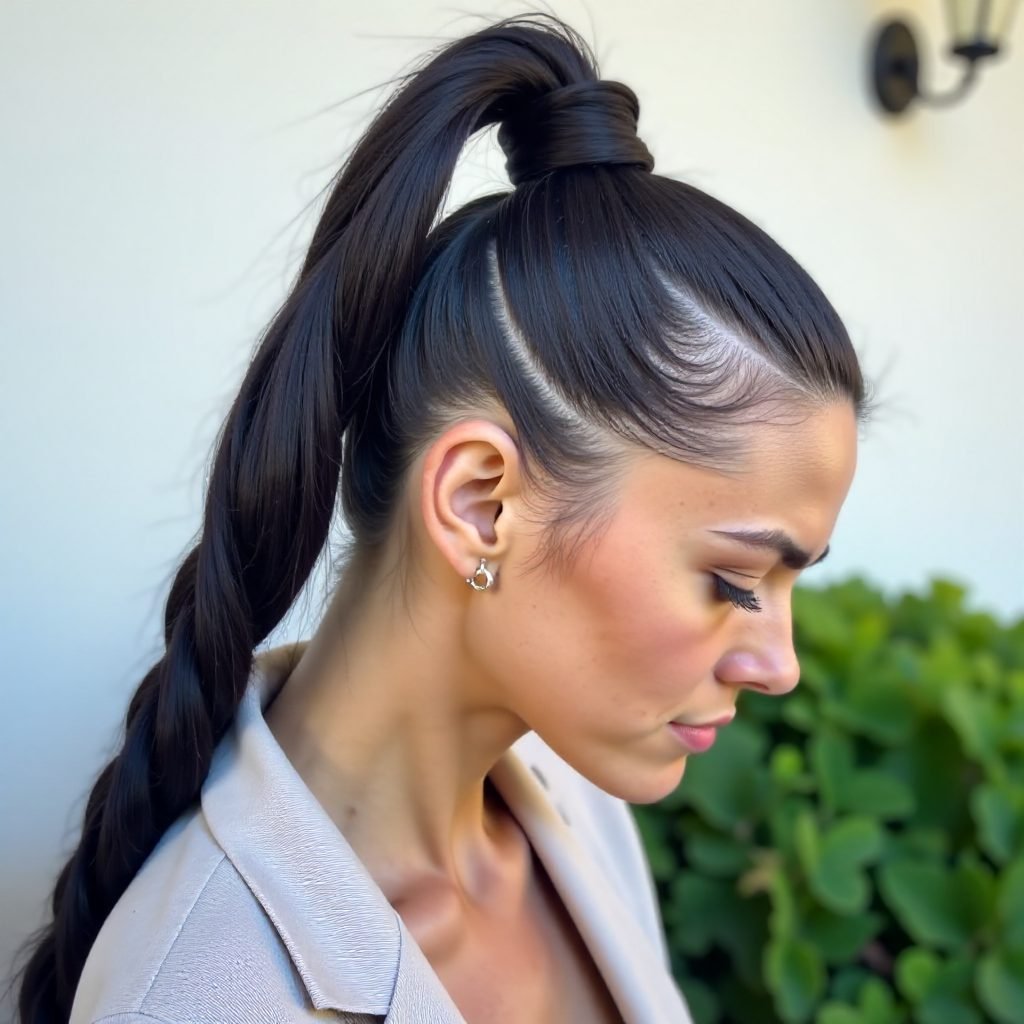
Feed-in braids add length and impact to a braided ponytail, since extensions are worked in gradually for a seamless look. Gather them high for drama or low for a sleek, sophisticated finish. Wrapping one braid around the base hides the elastic neatly.
Inspiration: @dubydarie_
27. Braided Headband
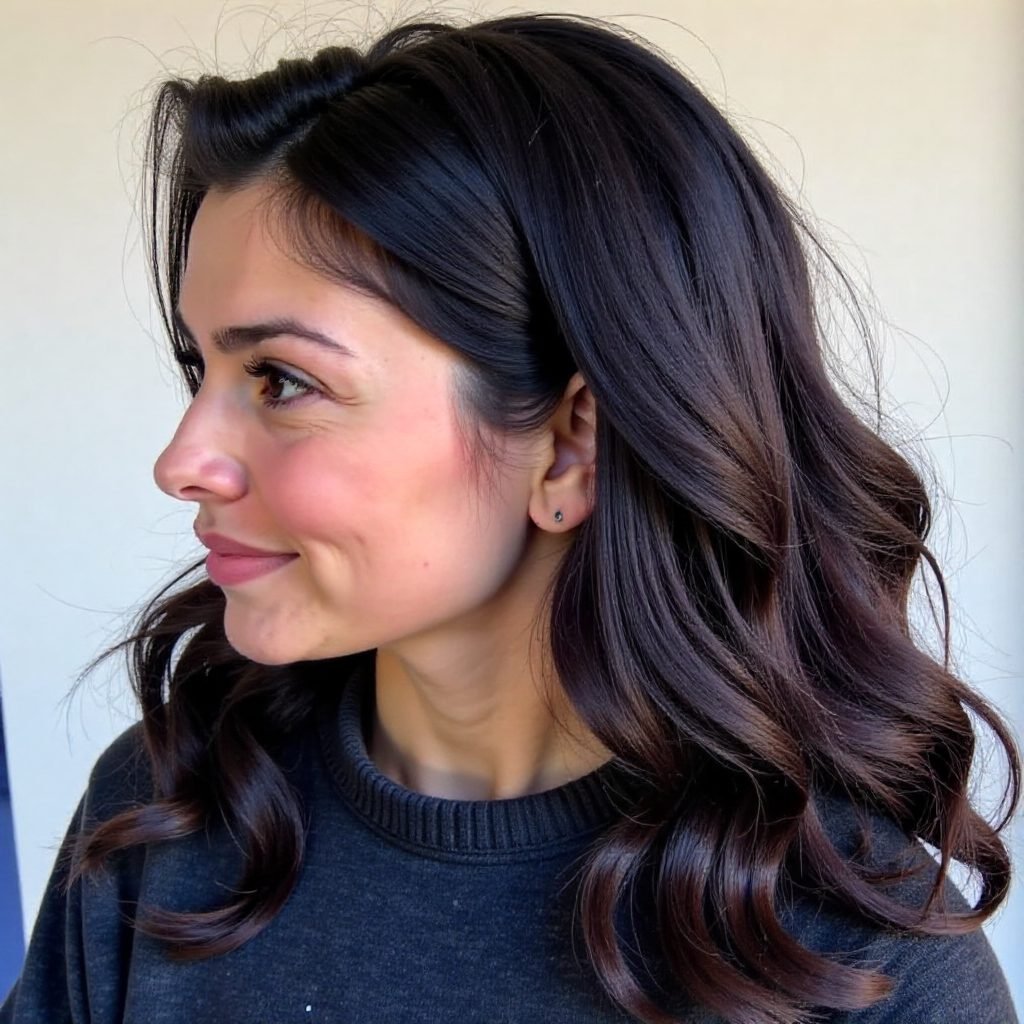
A braid across the front of the head works like a headband, keeping hair off the face while the rest flows freely. It suits thick hair especially well and pairs nicely with beachy waves for a relaxed holiday feel.
Inspiration: @hairbymarinalima
28. Tree Braids
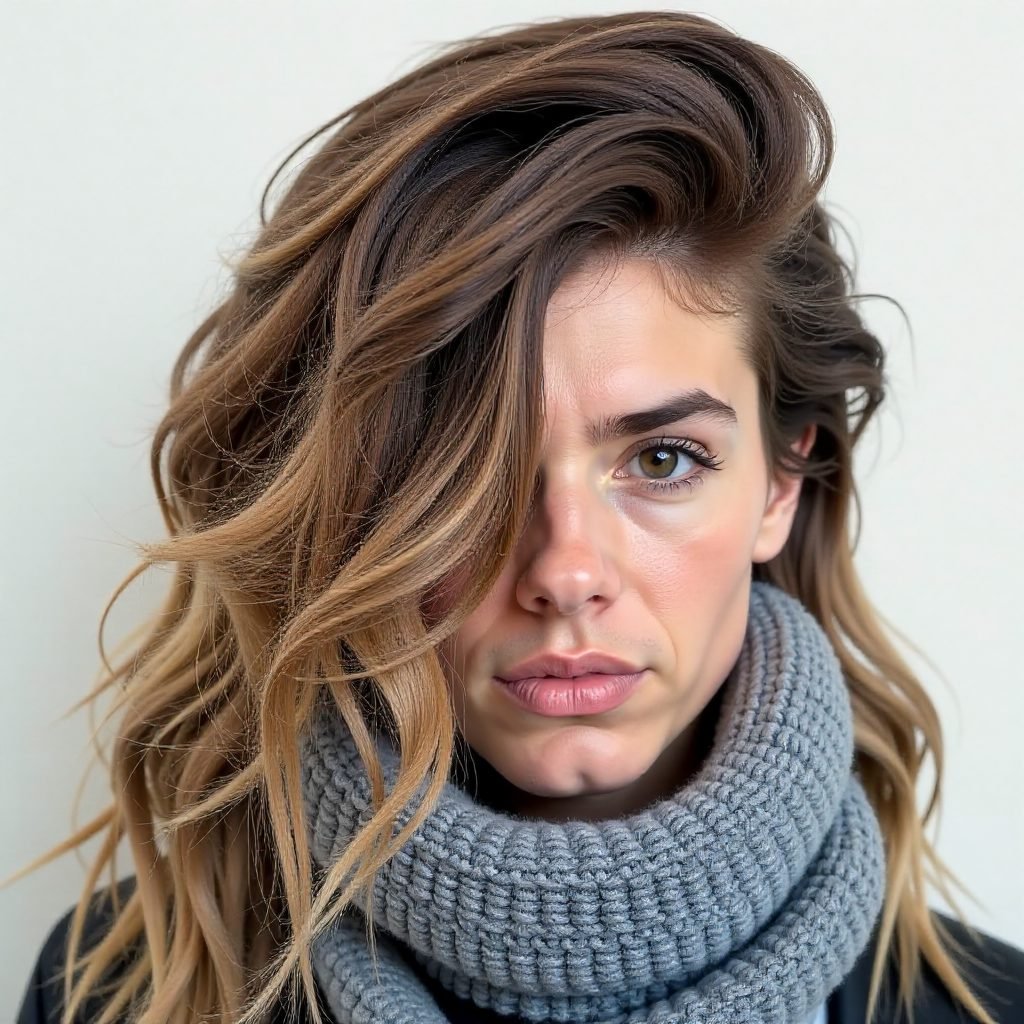
Tiny cornrows near the hairline anchor tree braids, with loose extension hair flowing from them that can be left down, gathered into a ponytail or pinned up. They are lightweight and long-lasting, and they let natural curls show.
Inspiration: @trishhaircare_
29. Fishbone Braid
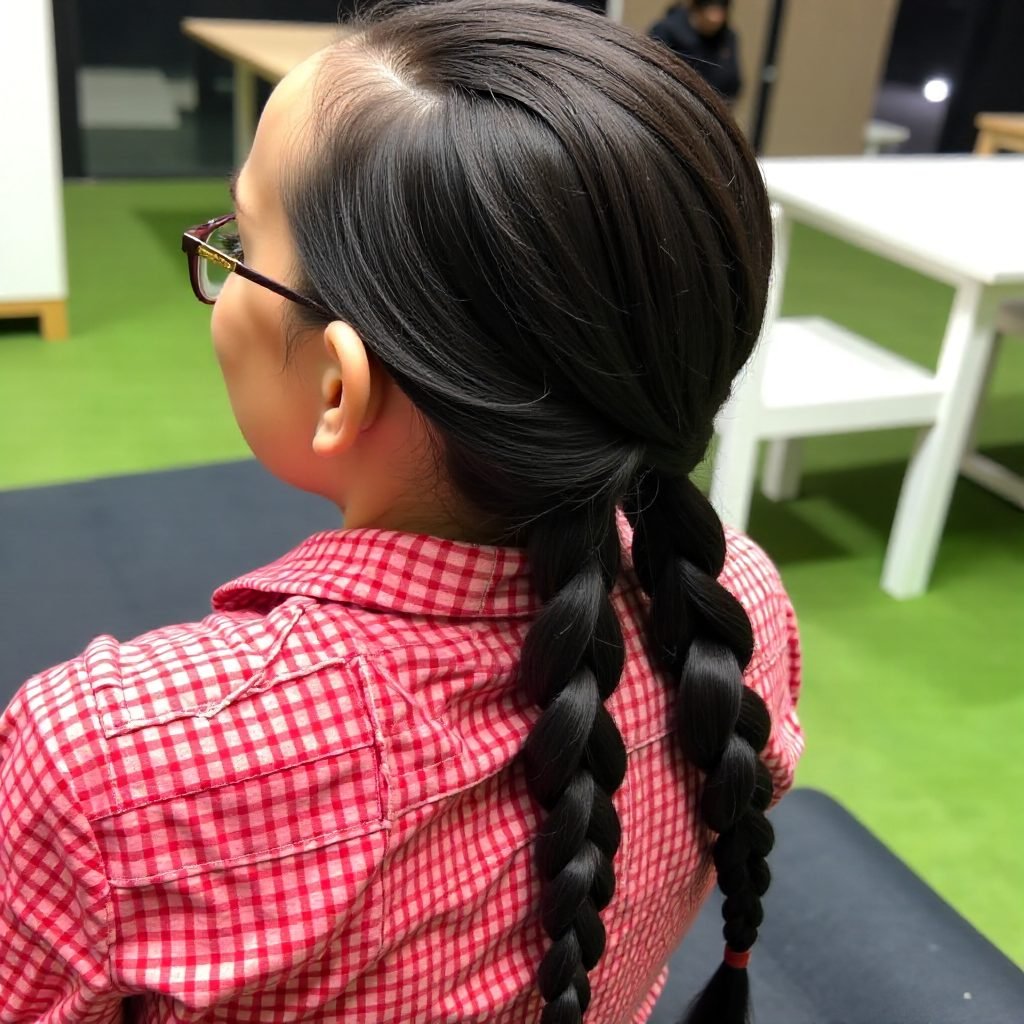
Sometimes called herringbone or fishtail plaits, fishbone braids are made by crossing small sections from each side into the centre. The intricate pattern looks striking on textured hair and works well as a protective style.
Inspiration: @lushlukz_beautysalon
30. Feed in Braids
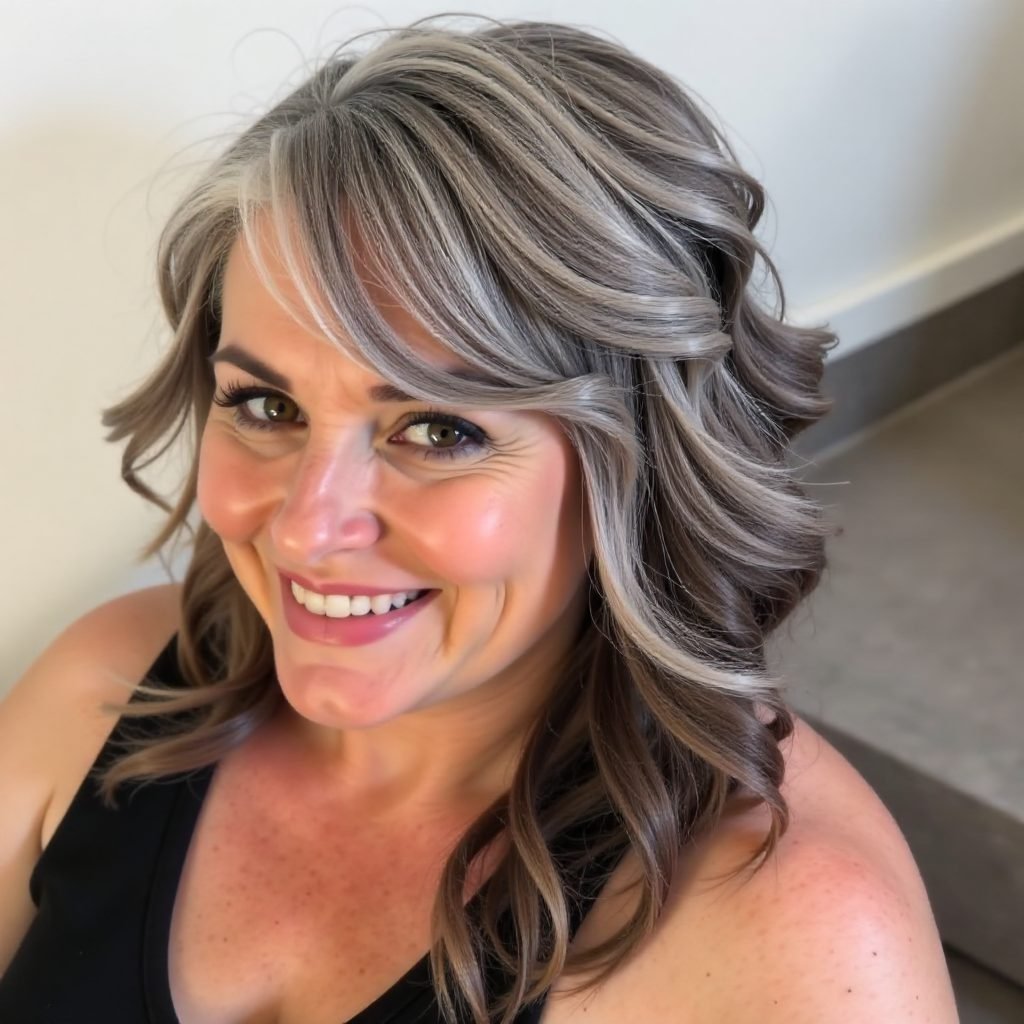
Feed-in braids look natural because extensions are added gradually as each braid progresses, so the rows start slim and grow fuller. Paired here with zigzag parting, they offer a polished, full look while protecting natural hair.
Inspiration: @_hairbyskyee
31. Bubble Braid
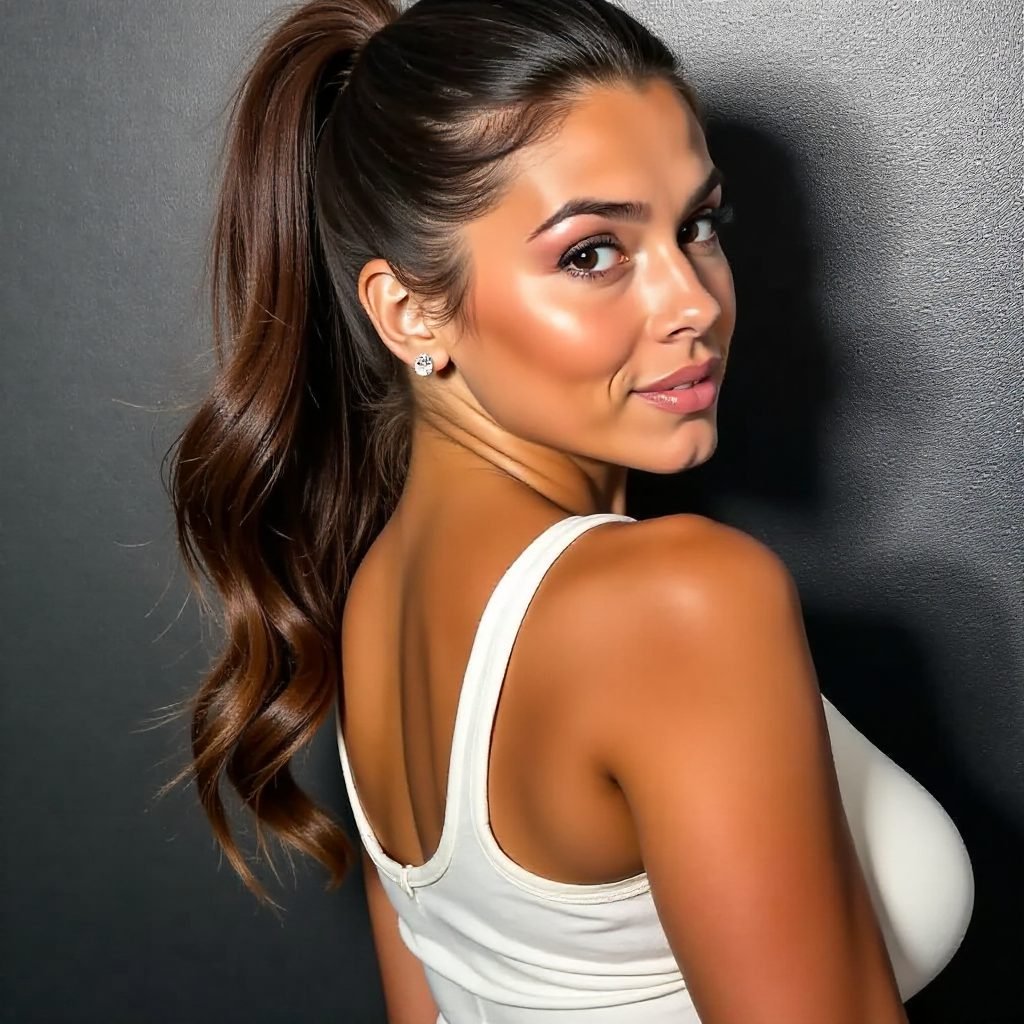
To make this one, tie small clear elastics at intervals along a ponytail, then gently puff out each section. The style is playful, fashionable and adds volume, and face-framing pieces soften the finish. It works on medium to long hair and needs no braiding skill at all.
Inspiration: @elieraadelia
32. Viking Braid
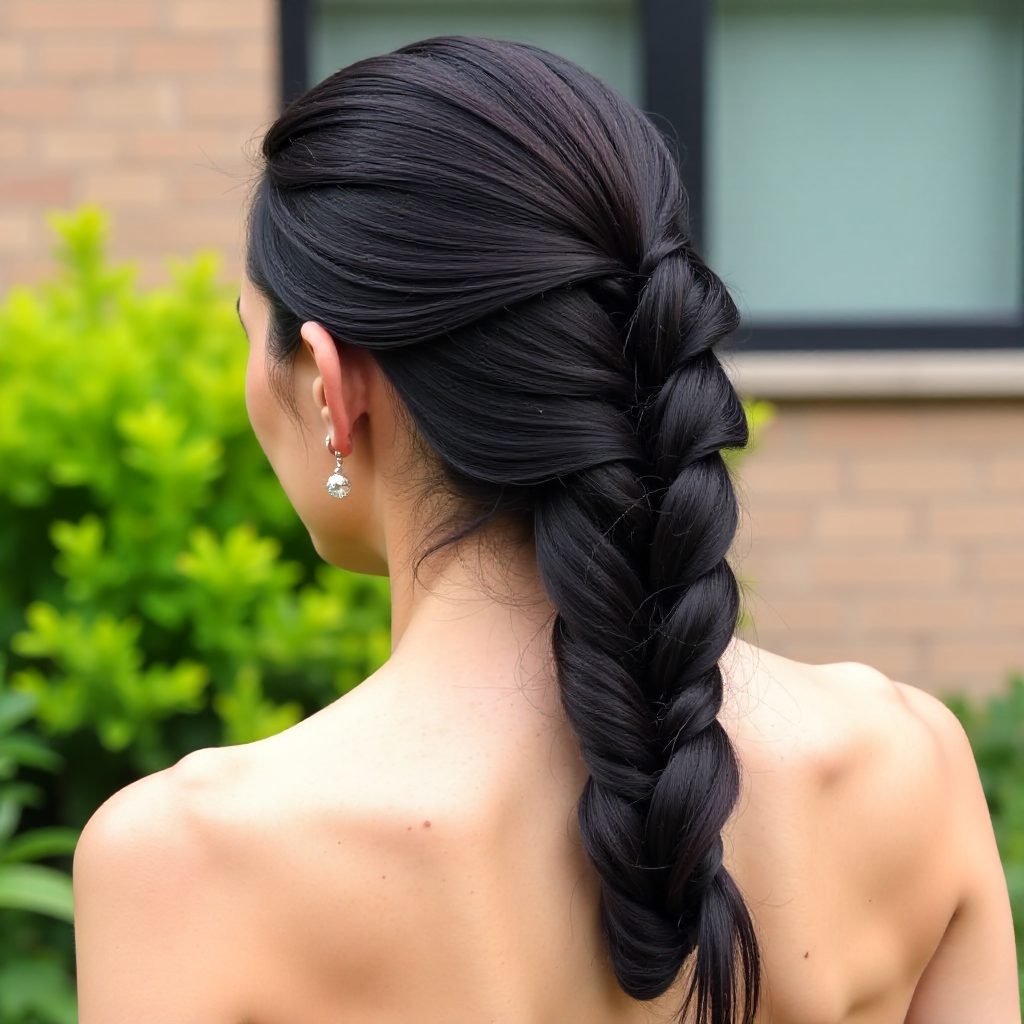
Bold and rugged, the Viking look combines thick plaits with bubbles, twists and both inverted and regular braids. Inspired by Norse legends, they project strength and confidence and make a dramatic statement. Texturising spray gives the chunky sections enough grip to hold.
Inspiration: @api.hair.makeup
33. Pull-Through Braid
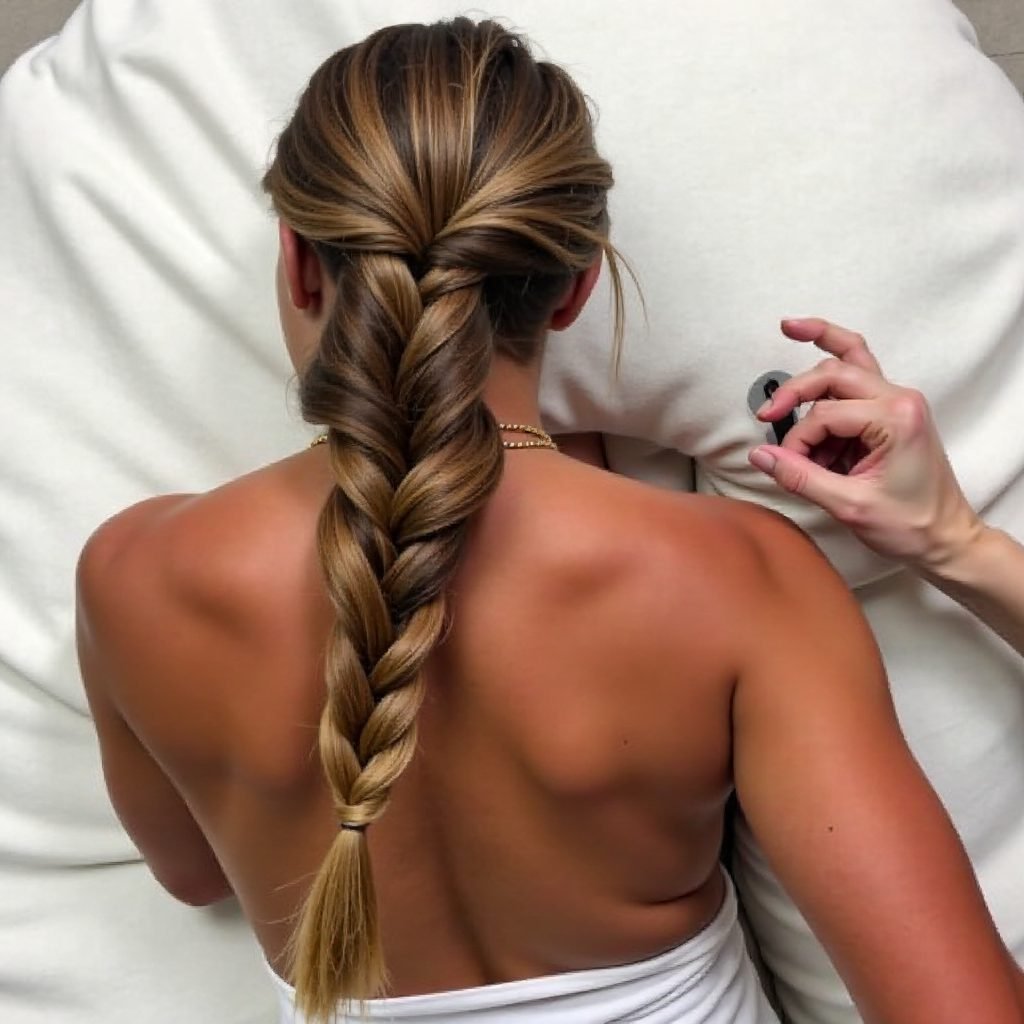
No traditional plaiting is needed here: the braid is built by securing sections with small elastics and pulling them through each other to create a woven look. The boho, festival-ready feel complements summer outfits and keeps hair neatly contained on long balayage hair.
Inspiration: @roralovestrand
34. Accent Braid Hairstyle
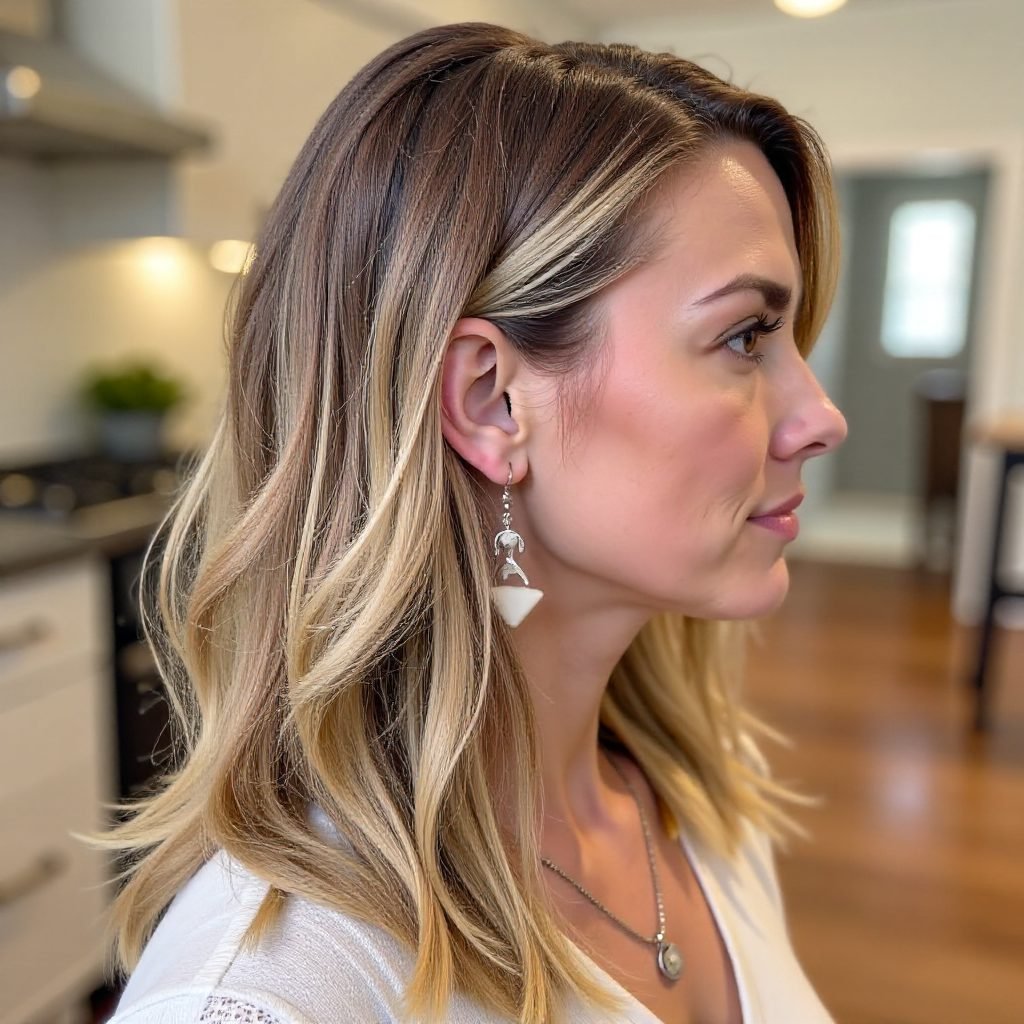
Accent braids are small plaits worked into otherwise loose hair. They are easy but eye-catching, suited to brunch, music festivals or even weddings, and they look great on shoulder-length cuts. One thin plait tucked behind the ear takes less than five minutes.
Inspiration: @goldplaited_
35. Bohemian Braid
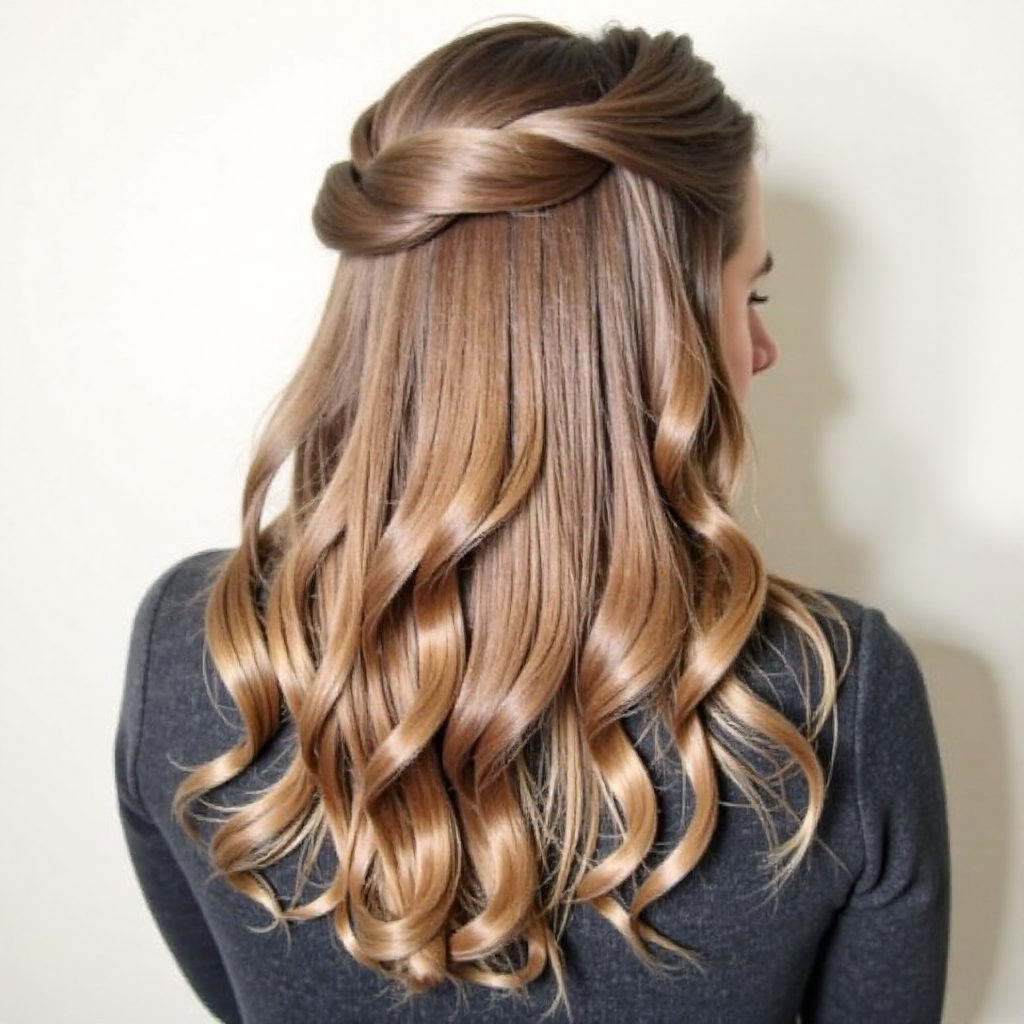
Boho braids embrace a free-spirited aesthetic, typically loose and textured, sometimes woven with flowers or ribbons. Worn here in a half-up style, the look celebrates natural texture and creativity. Gently tug the braid loops wider once finished to keep it soft rather than tight.
Inspiration: @tazhairco
36. Halo Braid
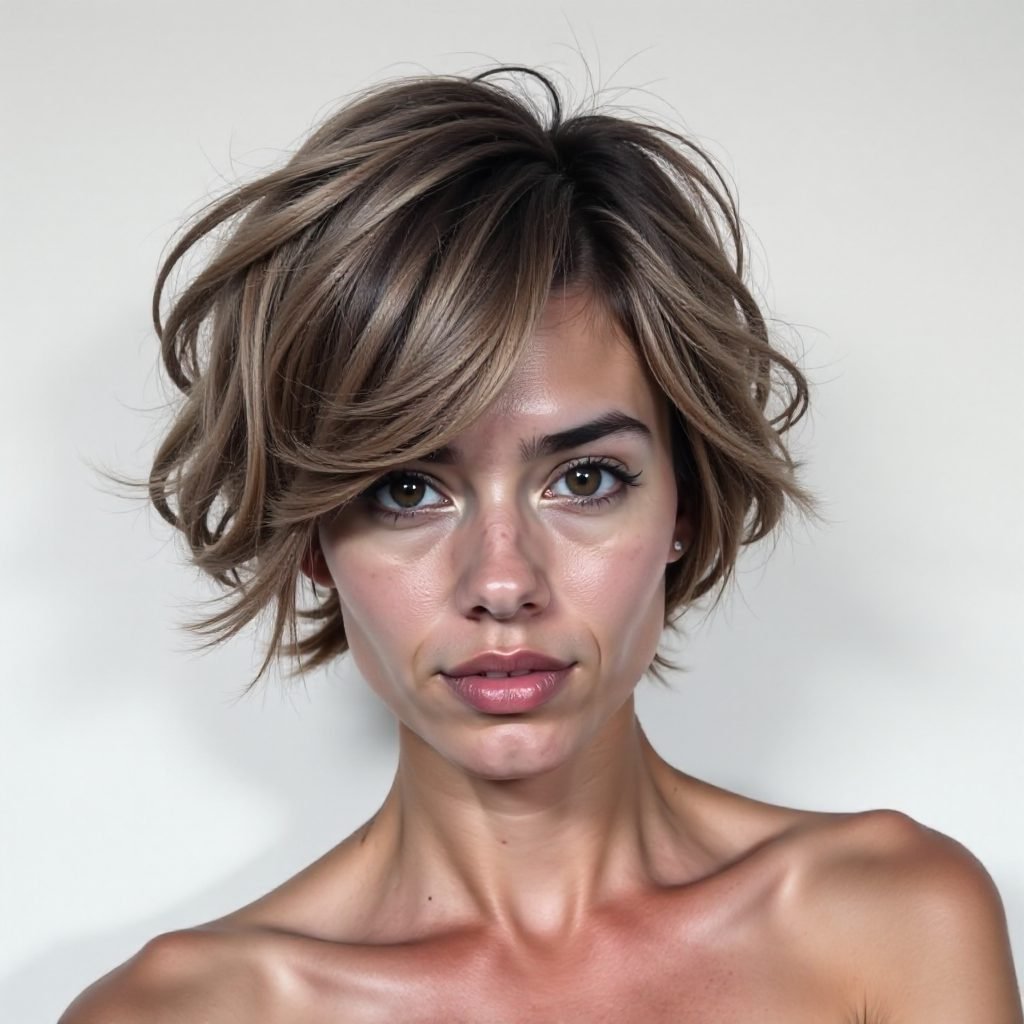
A halo braid wraps around the head in a circle, usually using a French or Dutch technique. It has an ethereal, angelic quality that is perfect for weddings, and hair jewellery adds extra sparkle. Long hair is needed to complete the full circle.
Inspiration: @svitlana.mutsa
37. Mermaid Braid
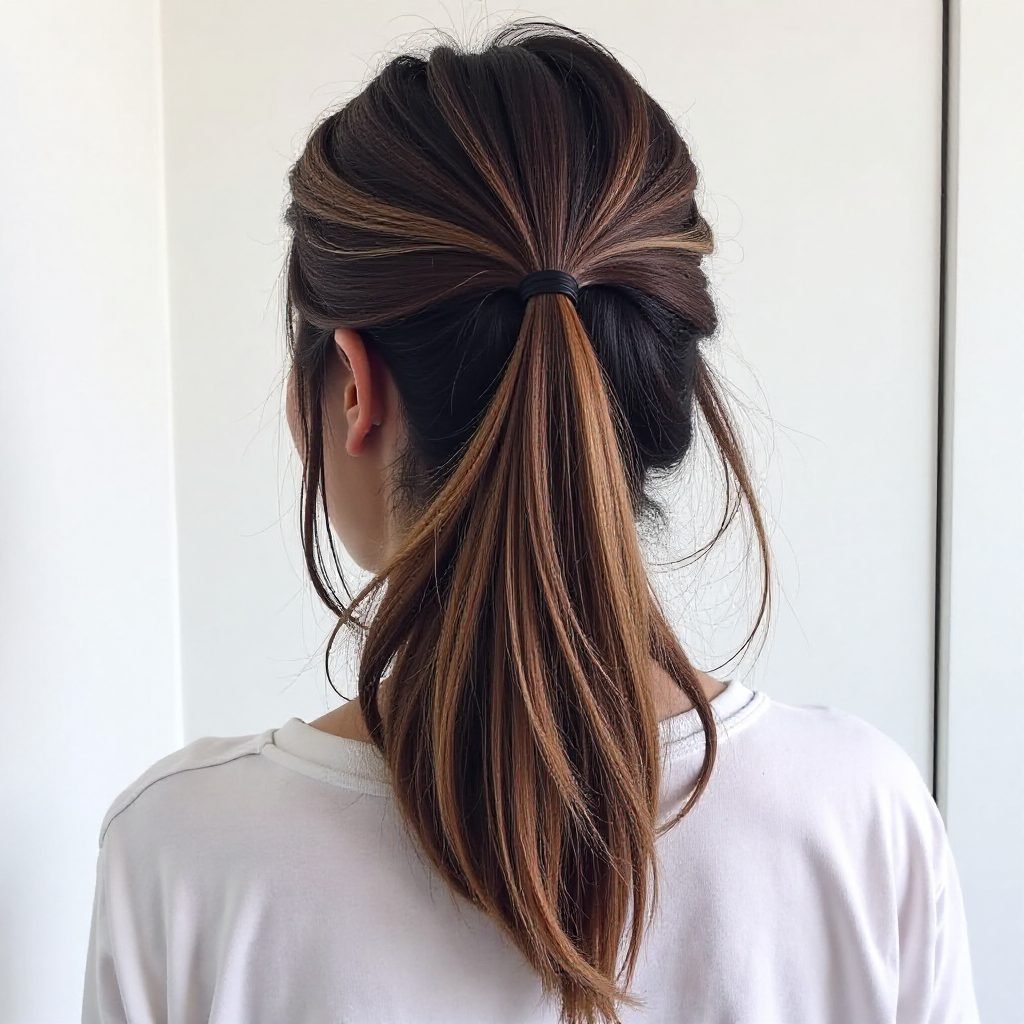
Loose, textured and beachy, a mermaid braid often combines fishtail and regular plaiting. Curls through the lengths heighten the whimsical, ocean-inspired effect, giving a carefree, romantic finish. Pull the braid apart generously for width, and use a sea-salt spray for that just-off-the-beach texture.
Inspiration: @laurasnyderhair
38. 4-Strand Braid

Four strands instead of three make this braid more intricate, almost like solving a puzzle. The extra section adds texture and dimension, and it looks particularly elegant brought over to one side. It makes a good stepping stone between a standard plait and a 5-strand braid.
Inspiration: @soraya_bloemendal
39. 5-Strand Braid
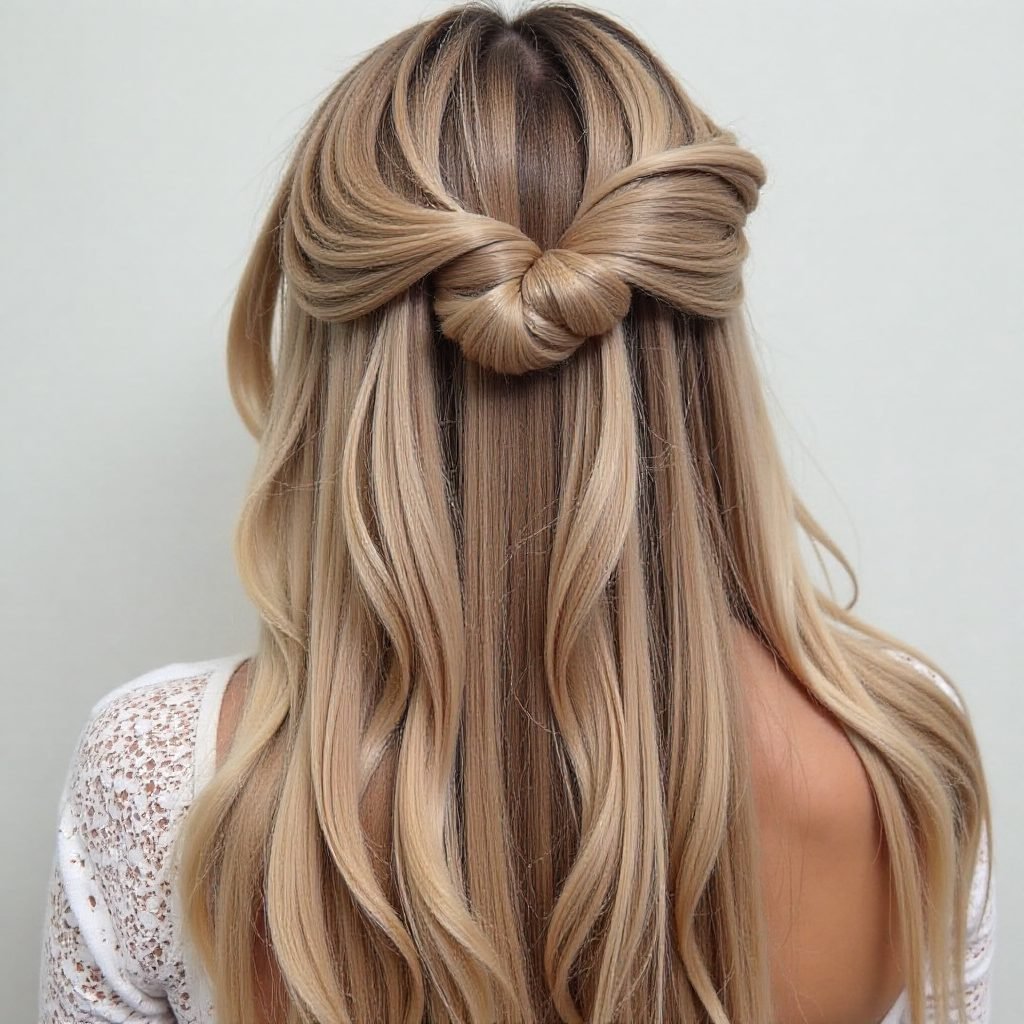
A 5-strand braid weaves five sections into a complex, eye-catching pattern. Try it as a raised Dutch-style plait, a soft braid over one shoulder or a diagonal accent across loose hair, as shown here. Practise on a ponytail first to get used to handling so many sections.
Inspiration: @vwitikai
40. Ladder Braid
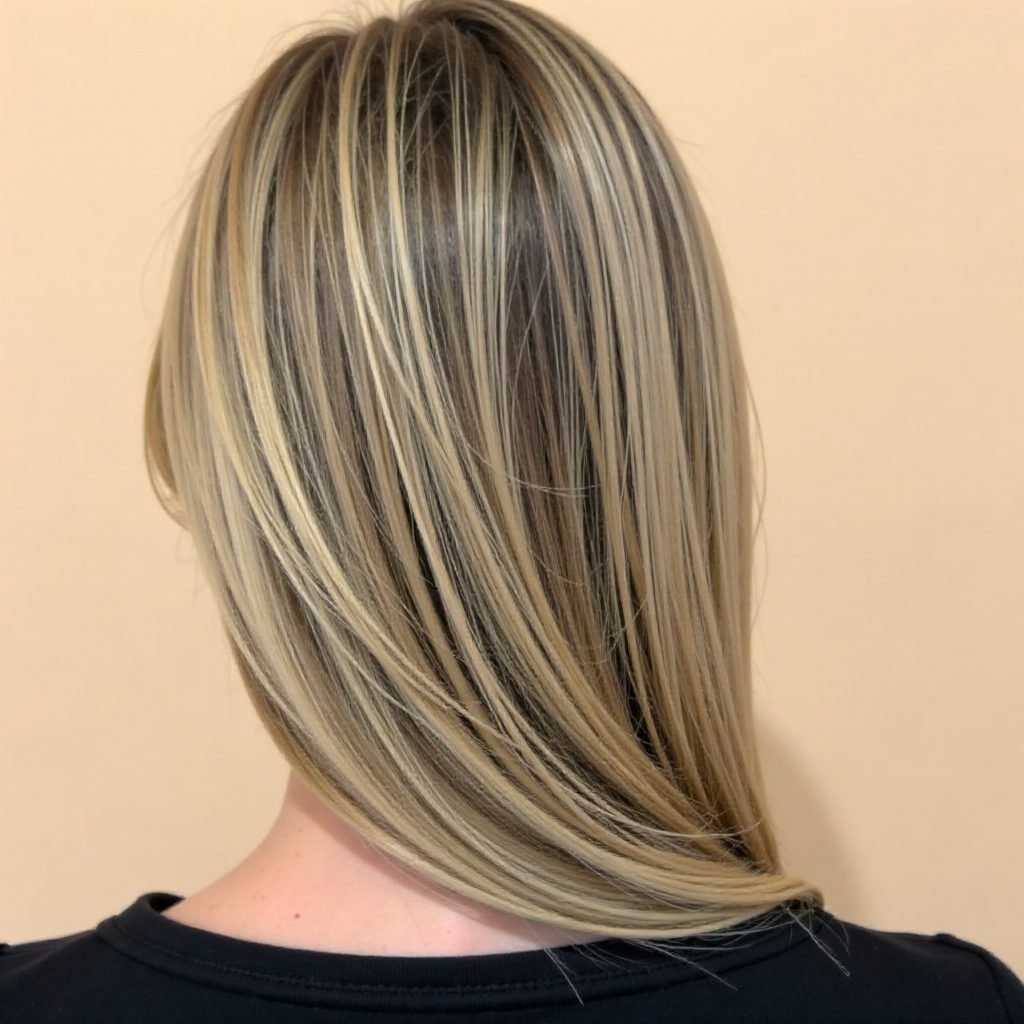
Weaving two strands while picking up small sections of hair as you go creates a pattern that looks like the rungs of a ladder. On sleek, straight hair, the detail stands out clearly for a chic, sophisticated effect.
Inspiration: @tvb_hairdressing
Which braid to learn first
If you are teaching yourself, follow the natural progression: master a tight three-strand braid, then a French braid (adding hair as you cross strands over), then a Dutch braid (the same but crossing under). Once both feel comfortable, the lace, waterfall, crown and milkmaid styles are all small adjustments. Fishtail and rope braids use only two sections, so they are easier than they look. Leave 4- and 5-strand braids until your fingers can hold several sections without losing tension.
Habits that make any braid look neater
- Brush out tangles completely before you begin and keep a comb handy to clean up each new section.
- Lightly dampen flyaways or use a small amount of cream so short hairs stay in the braid.
- Keep sections equal in size; uneven pieces create a lopsided pattern.
- Secure ends with small elastics, then gently loosen the outer loops if you want a fuller result.