
Koroba is a traditional Yoruba braiding style in which rows are plaited from the hairline upward so they meet at or near the top of the head, creating a raised, basket-like silhouette. Today the pattern is being reworked with extensions, colour and new partings, and this short gallery shows two of those updates.
The first look uses individual single-strand braids arranged in the koroba direction and worn half up, with the rest falling loose. The second combines classic cornrows with the koroba layout, using vivid blue extensions and finishing with a layered bang at the front. Between them they show how the same foundation can feel either soft and playful or sharp and graphic.
Koroba works on most natural textures and is a good protective option because the ends are tucked away and the hair needs little daily handling. Consider scalp sensitivity before booking: braids pulled upward place tension on the edges, so ask your braider to keep the hairline rows comfortable. Extension length also changes the weight considerably, so shorter or lighter hair is kinder for first-timers.
1. Single-Strand Koroba Braids
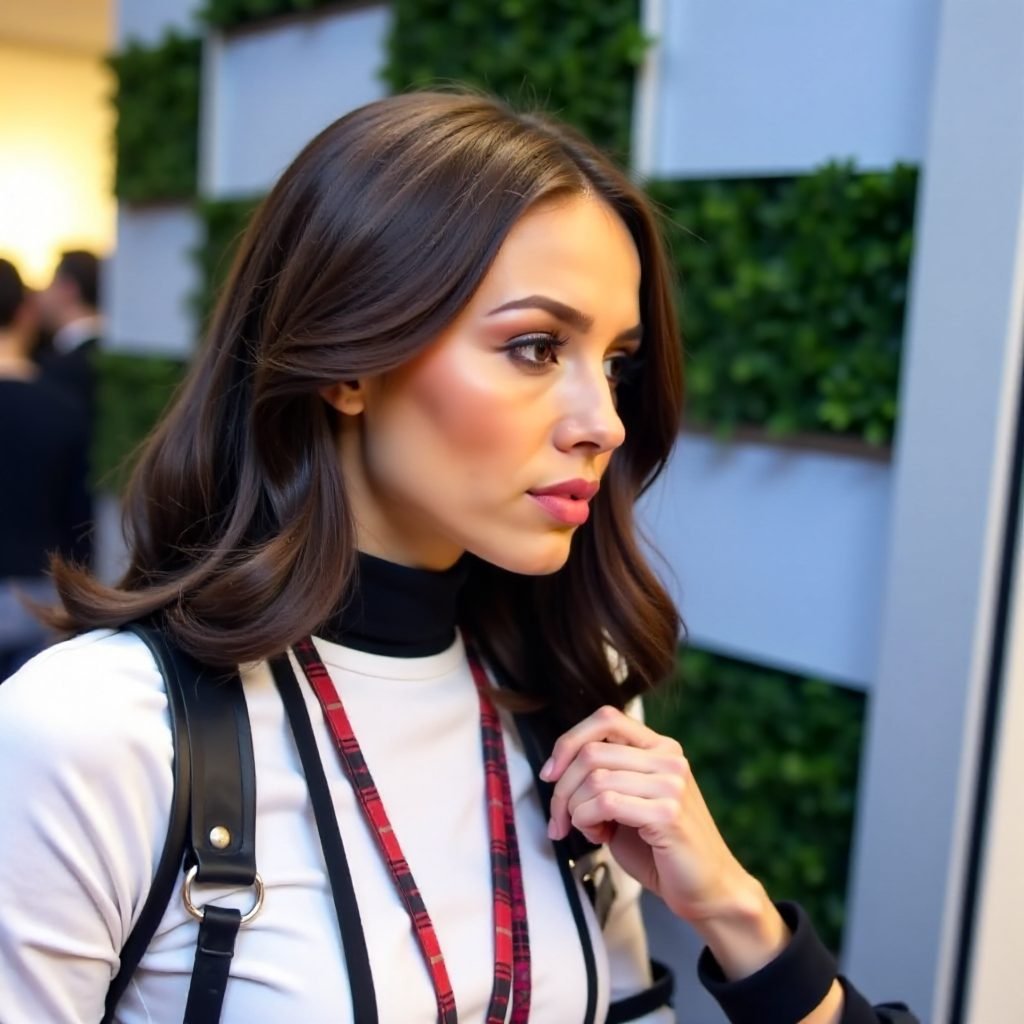
Individual braids plaited in the koroba direction are gathered into a half-up arrangement, leaving the lower lengths free. Wear them loose for a sleek finish, pull them into a high ponytail when you want them off your face, or thread colourful beads and yarn through the strands for a more playful, personalised look.
Inspiration: @naija_fashiondesigners
2. Koroba Braids Cornrows
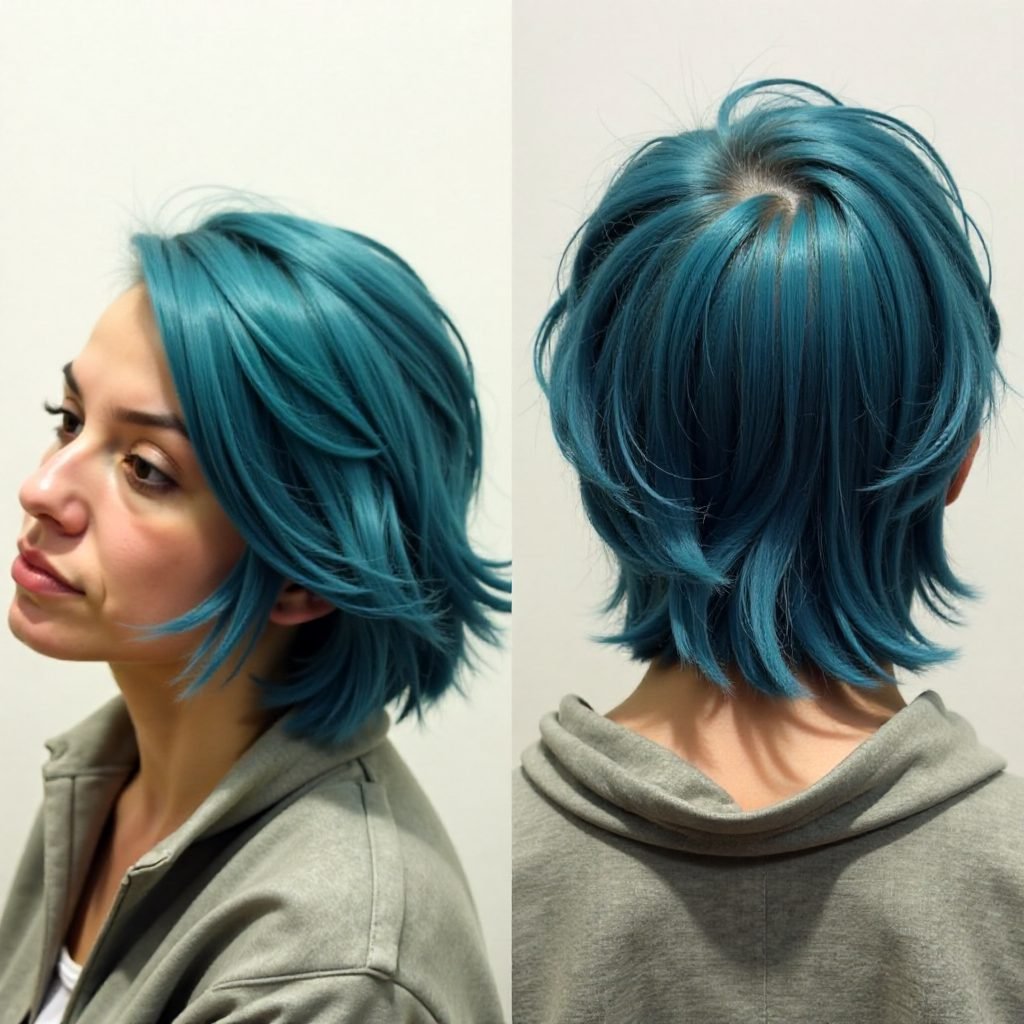
Here traditional cornrows follow the upward koroba pattern, finished with bold blue extensions and a layered fringe at the front. The colour makes every row stand out graphically. You can choose natural shades for a subtler version and pick short or long extensions depending on how much length and weight you want.
Inspiration: @slayedinbraids
Wearing koroba braids comfortably
Because the rows travel upward, the hairline carries much of the strain. Tell your braider straight away if any row feels tight, and avoid heavy updos for the first few days while the scalp settles. Pain, bumps or small spots along the edges are signs the braids are too tight and should be loosened.
Aftercare for upward braids
- Sleep on a satin pillowcase or wrap your braids in a silk scarf to reduce frizz and friction.
- Apply a light oil or braid spray to exposed scalp every few days; avoid heavy grease that can build up between the rows.
- Clean the scalp gently with diluted shampoo on a cotton pad or nozzle bottle, then dry thoroughly so the extensions do not stay damp.
- Plan on removing the style after about four to six weeks to prevent matting at the roots and to give your edges a rest.
If you add beads or thread, keep them lightweight so they do not drag on the ends, and remove them carefully when taking the braids down.