
Straight hair has a reputation for being hard to style, but its even growth pattern is actually an advantage for many cuts. Fades stay crisp longer, blunt fringes keep their line and comb overs lie flat without a fight. This gallery covers the full spread: a classic side part, an Edgar with a geometric fringe, curtains, a bowl cut, French and textured crops, pompadours and quiffs, and longer shoulder-length and flow styles.
The main challenge with straight hair is flatness. Short textured crops and quiffs rely on point-cutting and a matte product to build volume, while longer styles can look heavy unless they have some layering or highlights for depth. Fine straight hair usually looks fuller cut shorter on top with a fade; thick straight hair can carry a pompadour or a flow.
Face shape is worth considering as well. Long fringes add width to oval, oblong and diamond faces, while height on top, as in a pompadour, lengthens a round face.
1. Side Part

A side part is a timeless option for straight hair because the strands fall neatly along the line. It reads as tidy and professional, making it a safe choice for the office while still looking sharp outside work.
Inspiration: @lucaborgi91
2. Edgar Haircut
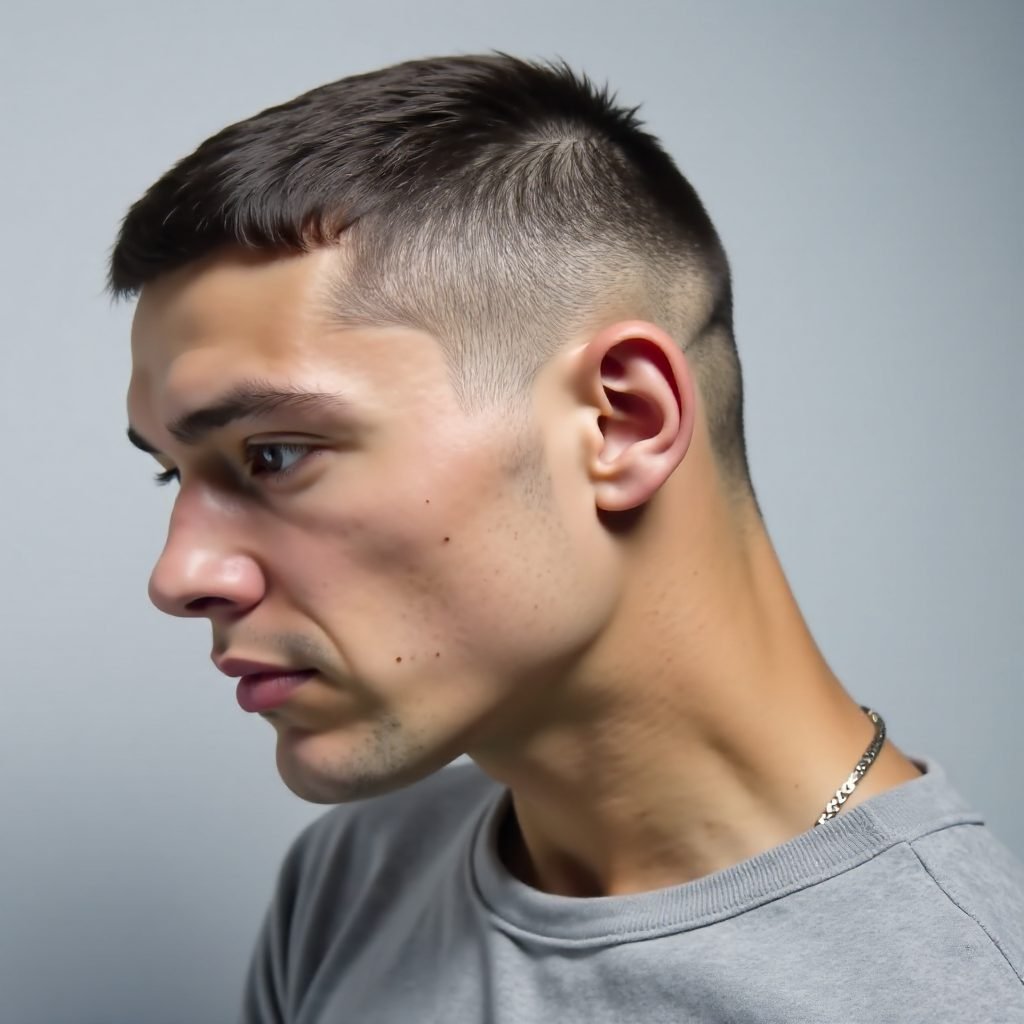
Combing hair forward from the crown is the basis of the Edgar cut. Straight hair shows off the blunt, geometric fringe perfectly. Wear it smooth for a polished finish or add a little texture for a more relaxed look.
Inspiration: @dencioaguilar
3. Curtain Hairstyle
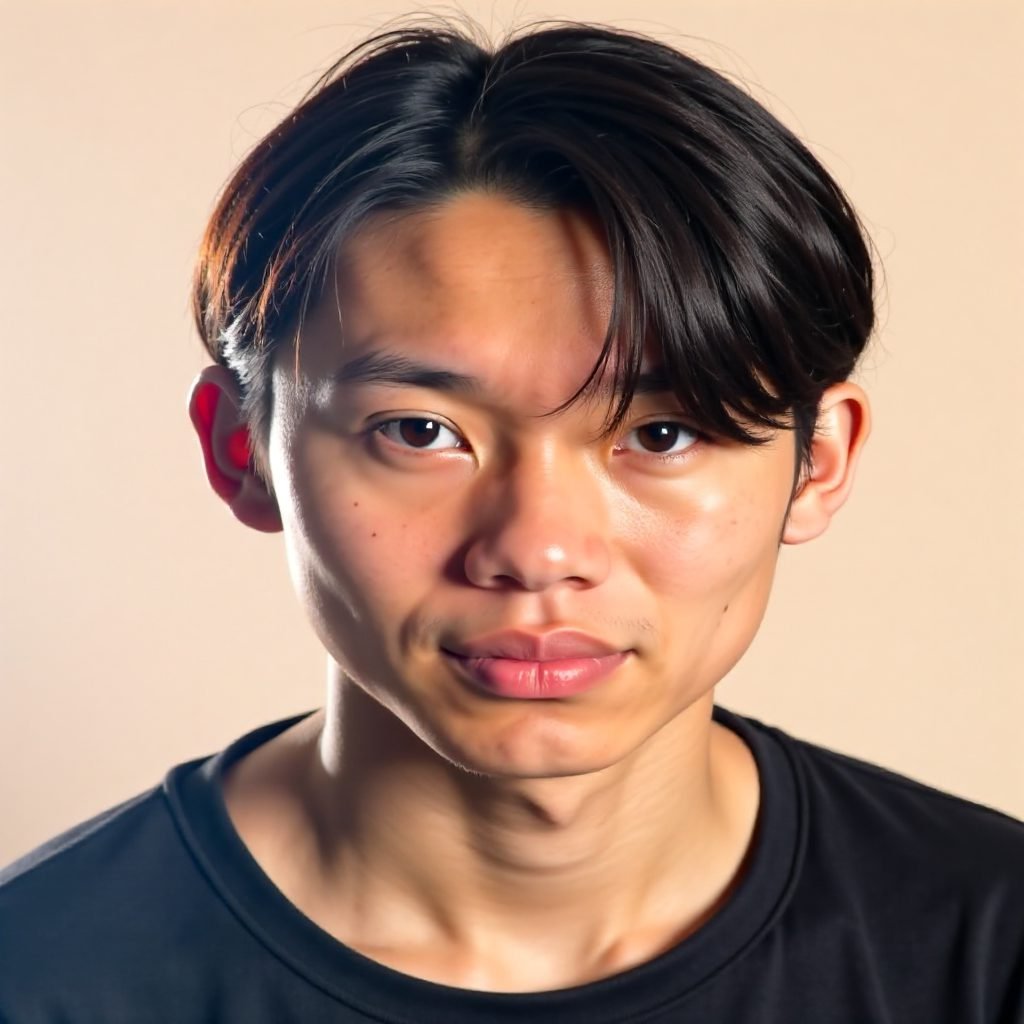
Curtains suit medium-length hair with a longer fringe. The traditional version parts in the middle, but following your natural part will save you from battling your hair every morning. A light cream helps the two sides fall evenly and stay soft.
Inspiration: @julindcaka
4. Bowl Cut
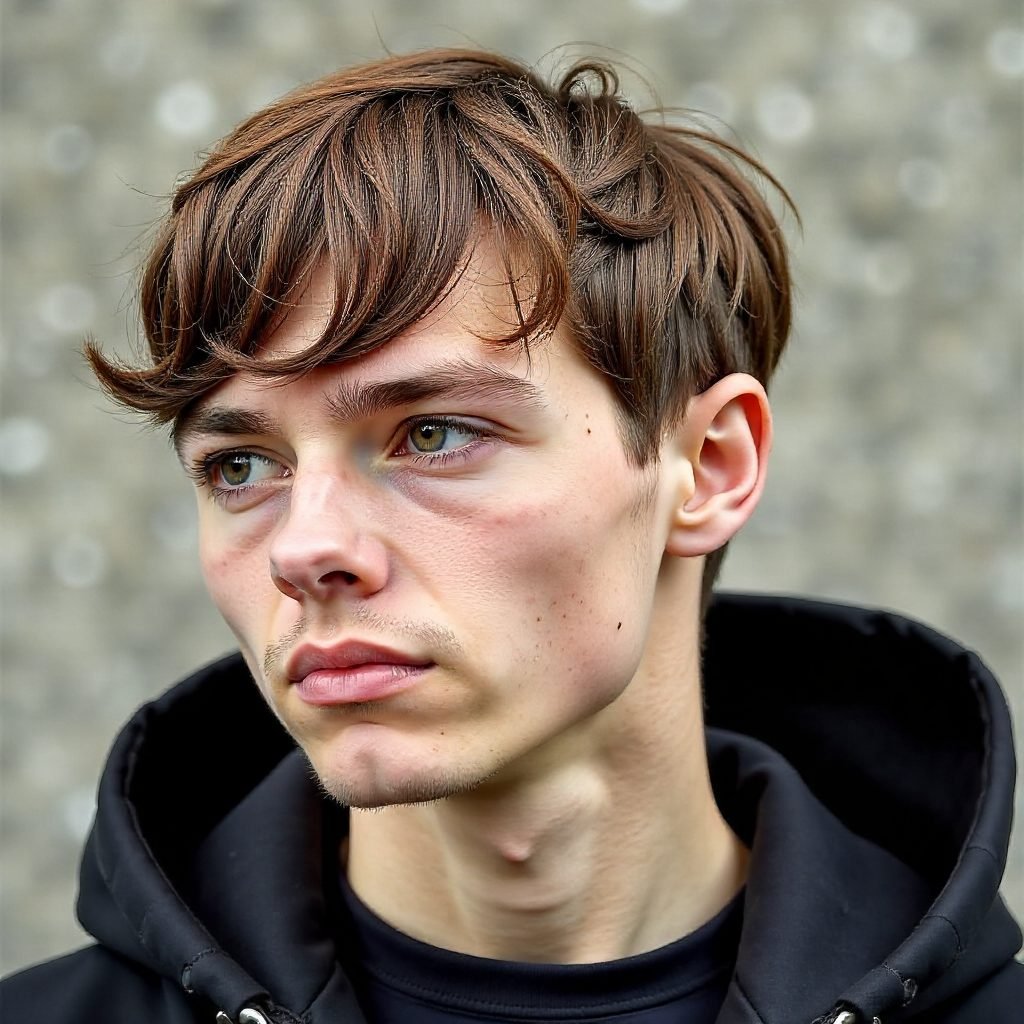
Bowl cuts and straight hair go together naturally, since the strands fall into a clean, structured outline. The even texture keeps the shape defined, and styling takes very little effort. Regular trims every four weeks keep the line crisp.
Inspiration: @yan.shapoval
5. French Crop

French crops are extremely versatile. Pair one with a classic taper for a refined look or a disconnected undercut for something edgier; either way, keep some texture on top so the fringe does not look flat.
Inspiration: @seb_martell
6. Classic Fade

Straight hair grows evenly, which helps a classic fade keep its clean lines and smooth gradient for longer. A textured top completes the cut, and maintenance is refreshingly simple. Ask for a trim every two to three weeks to keep the gradient smooth.
Inspiration: @fade.therapy
7. Short Pompadour
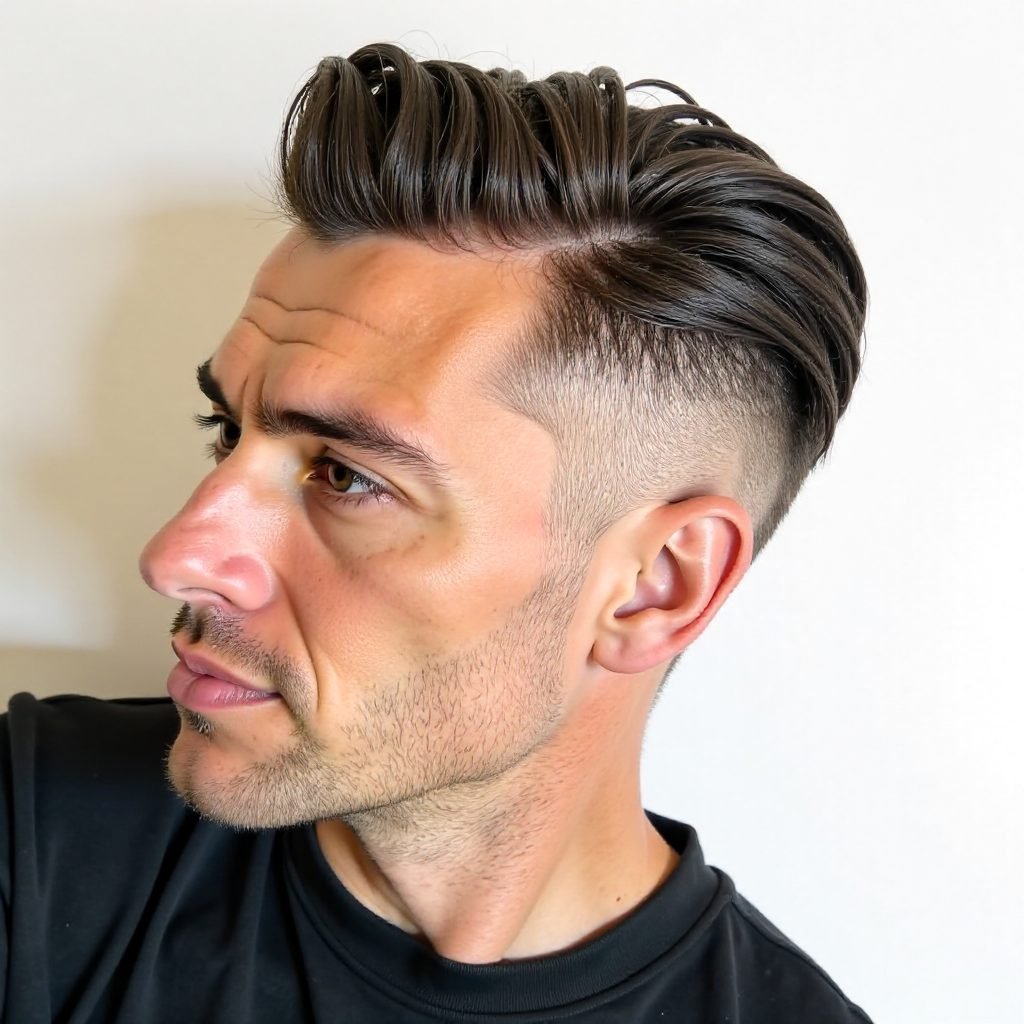
Hair with some natural volume and medium thickness is ideal for a pompadour. Straight strands hold the height well. Choose a classic tall pomp or a shorter, modern variation with a fade. Use a round brush when blow-drying for extra height.
Inspiration: @brixway
8. Long Fringe Hairstyle
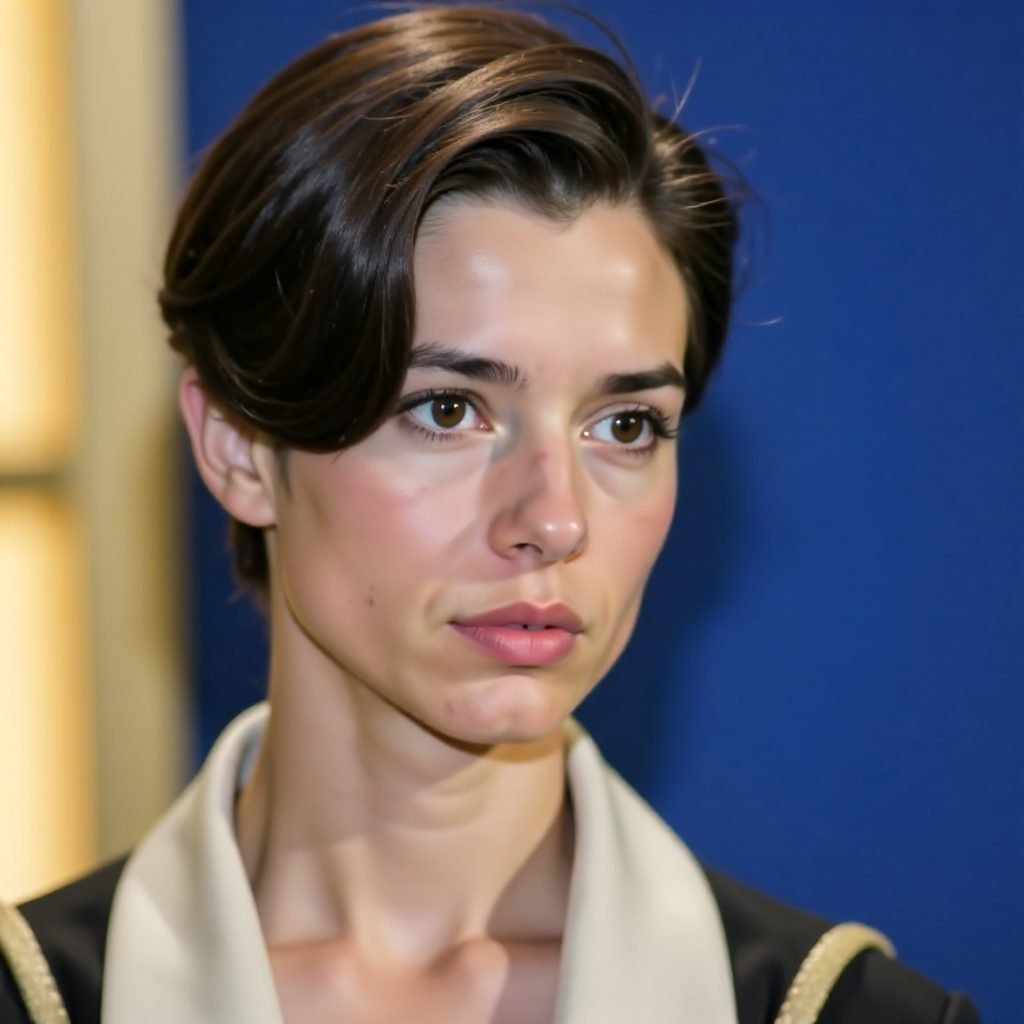
Long, side-swept fringes flatter oval, oblong and diamond faces by adding width and balancing length. A volumising mousse or root-lift spray gives the fringe more body. Leave the fringe slightly longer than eyebrow length so it can be swept to the side or pushed back when needed.
Inspiration: @bestmenshaircutsnyc
9. High Fade
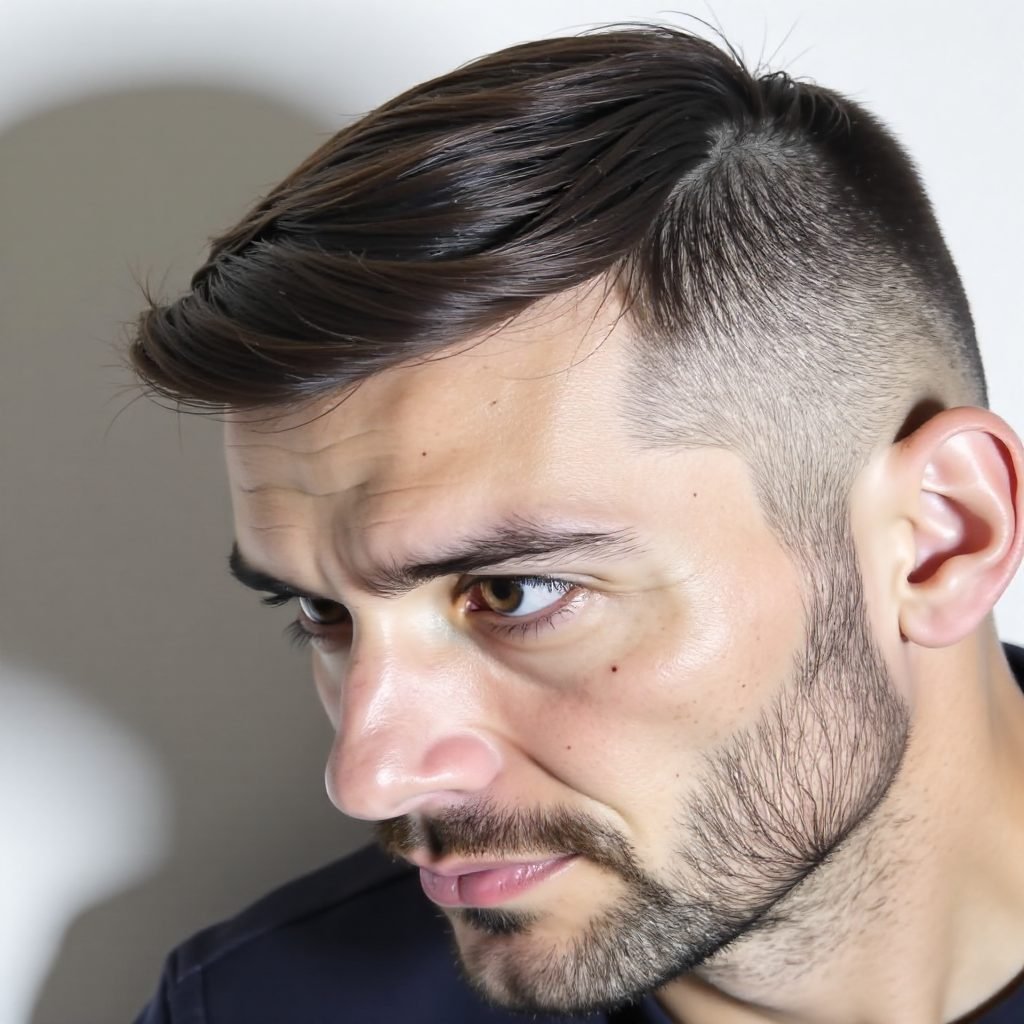
Short crops with a high fade are low-maintenance without being a buzz cut. The sides and back stay neat, and there is enough length on top to style. A small amount of matte paste worked through the top adds texture without making it look stiff or shiny.
Inspiration: @lucaborgi91
10. Textured Pompadour
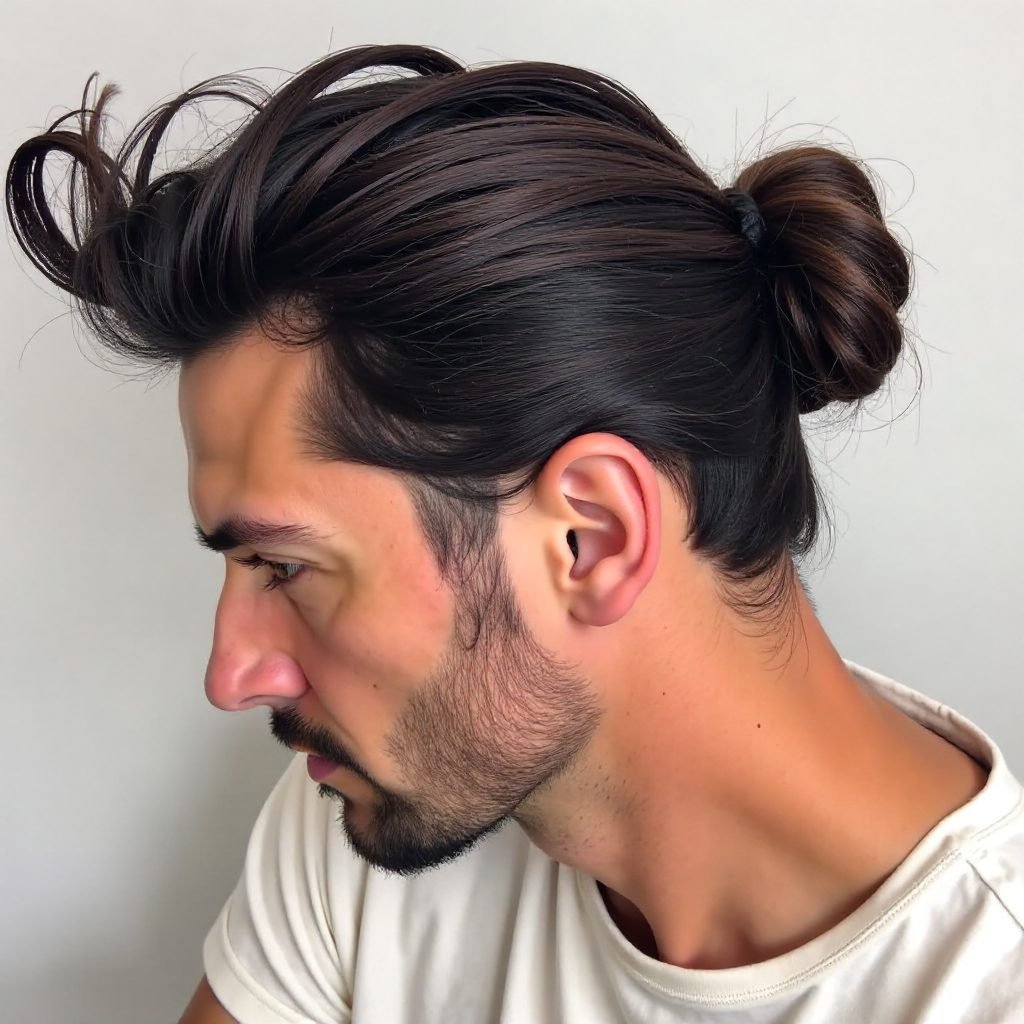
Textured pompadours are full of dimension with a slightly messy, modern edge. Blow-dry the hair upward, then work in matte clay or styling powder. Thin hair gets extra lift from sea salt spray at the roots.
Inspiration: @luigi_messer_pompeo
11. Shoulder-Length Hair
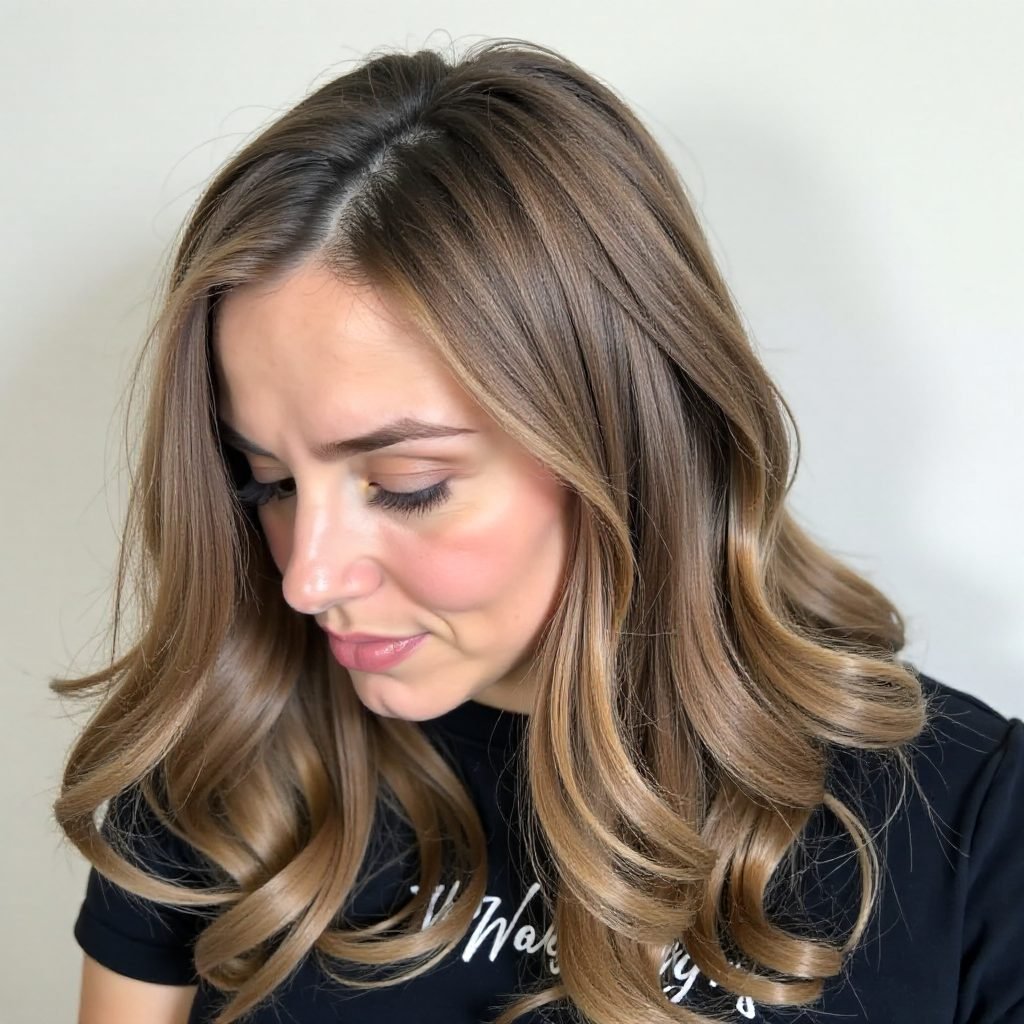
Long straight hair shows off its silky texture, but it can look flat as the weight pulls it down. Scattered highlights a shade or two lighter than the base add dimension to shoulder-length styles. A light hair oil keeps the ends healthy.
Inspiration: @jays.hair.styles
12. Short Crop with a Taper Fade

Taper fades only take the nape and temples down to the skin, so they are far subtler than a full fade. This one adds a sharp finish to a short crop and suits almost everyone.
Inspiration: @dencioaguilar
13. Taper Cut
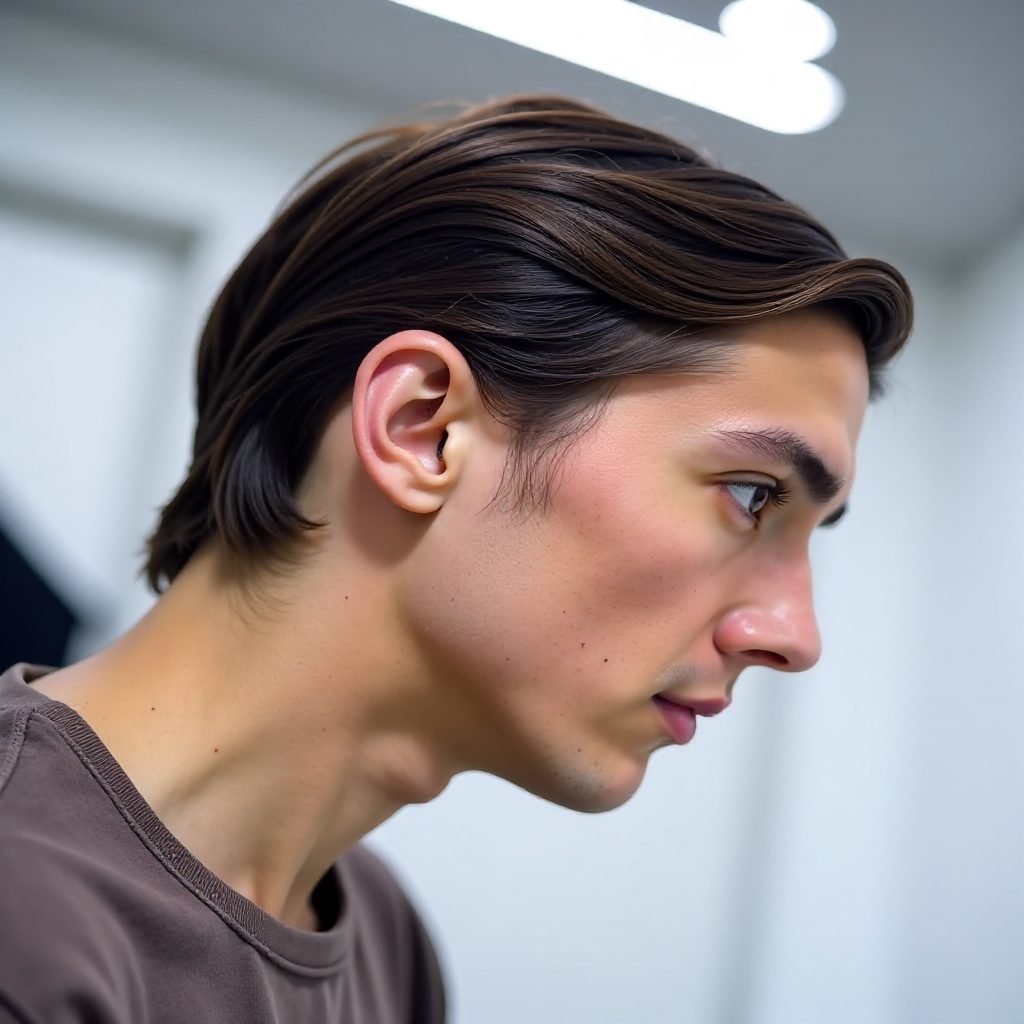
Taper cuts remain popular because they are classic and easy to care for. The length on the sides and top can be adjusted to suit your hair thickness and face shape, and brushing the top back keeps it neat.
Inspiration: @juice.the.barber
14. Pompadour with a Temple Fade
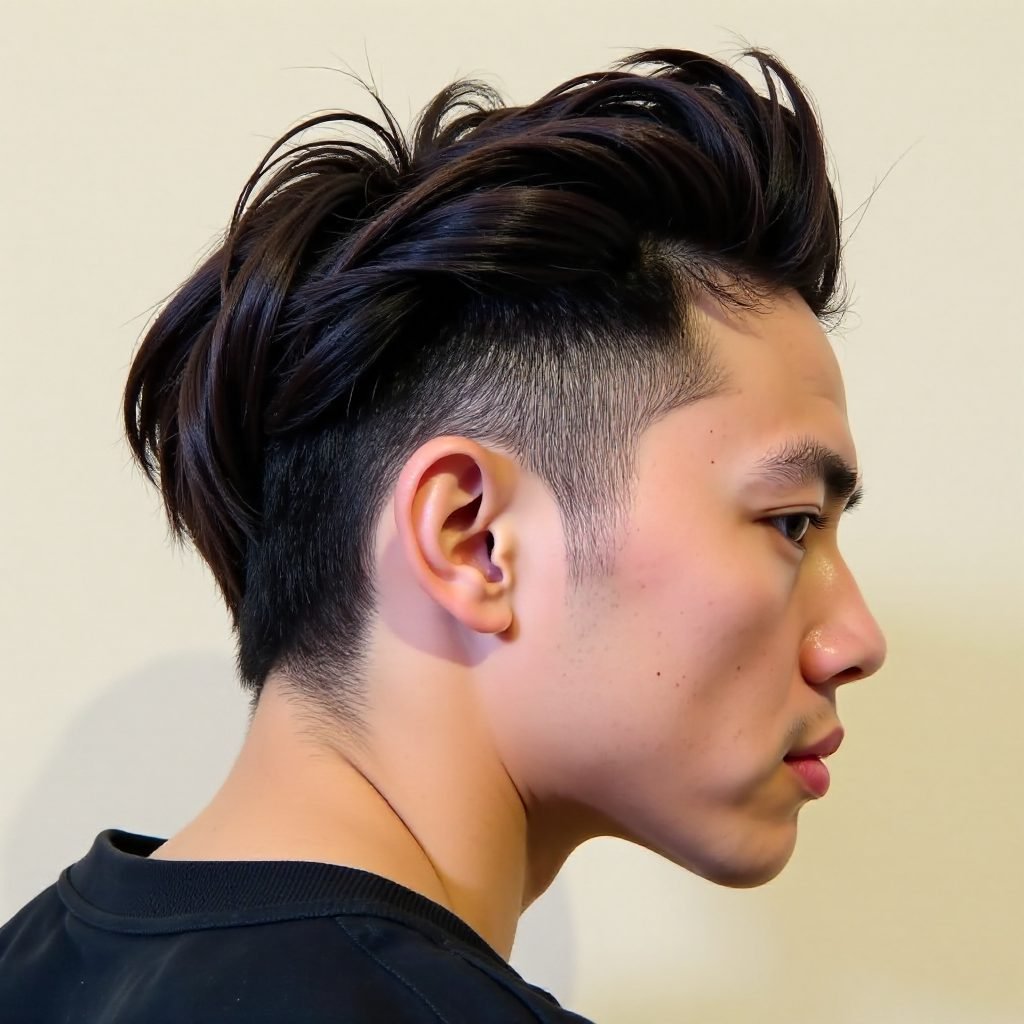
Rockabilly height meets modern detailing in this pompadour. Faded temples and a little texture on top give the retro shape a contemporary, slightly edgy contrast. Blow-dry the front upward with a round brush, then set it with a medium-hold pomade so the height lasts all day.
Inspiration: @julindcaka
15. Textured Crop
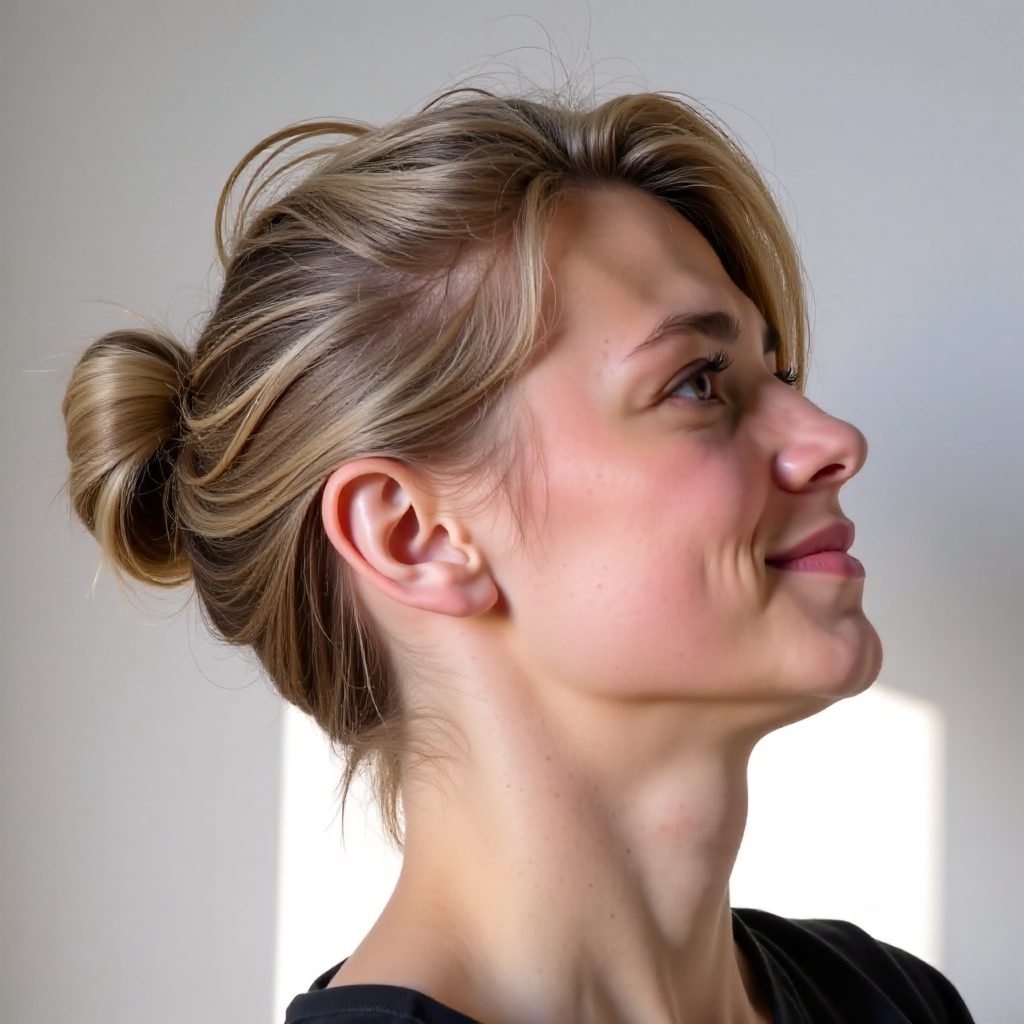
A textured crop keeps the back and sides short while multiple layers on top support each other for a tousled, natural look. The messiness is deliberate, so the cut looks good with minimal effort. Matte clay gives it the right finish.
Inspiration: @yan.shapoval
16. Flow Haircut

Flow haircuts have a relaxed, rugged appeal and are sometimes nicknamed the bro flow. Aim for roughly six to eight inches of length so the hair can be pushed back easily. A light sea salt spray adds grip and helps the hair stay swept back.
Inspiration: @seb_martell
17. Low Taper Fade
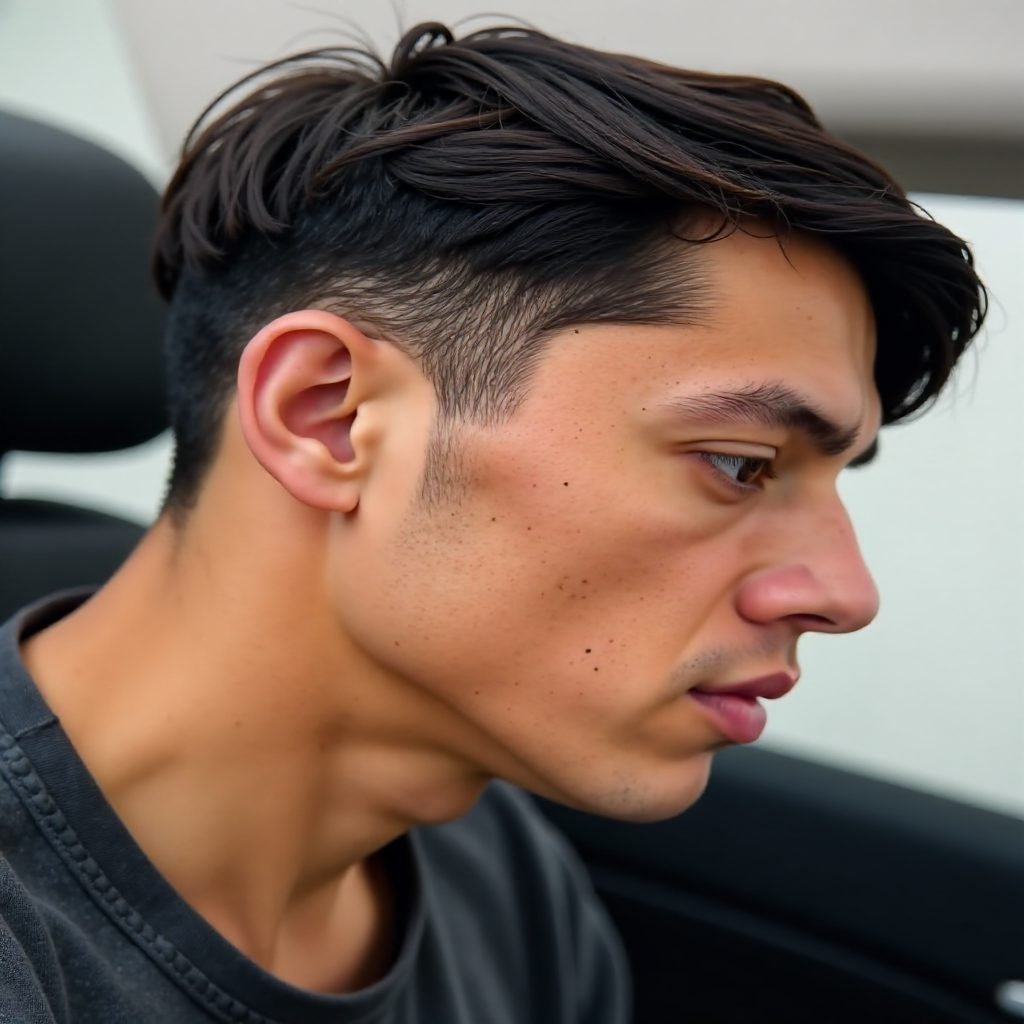
Low taper fades keep skin exposure to a minimum. The sides and back shorten gradually toward the neckline, creating a clean, natural finish that works well with a side part. It grows out gracefully, so you can go a little longer between cuts.
Inspiration: @juice.the.barber
18. Tapered Comb Over

Smooth, straight strands lie flat and stay in place in a comb over with very little effort. A taper on the sides keeps the whole look sleek and polished. Use a fine-tooth comb and a little pomade with a soft shine to set the part neatly.
Inspiration: @bestmenshaircutsnyc
19. Quiff Hairstyle
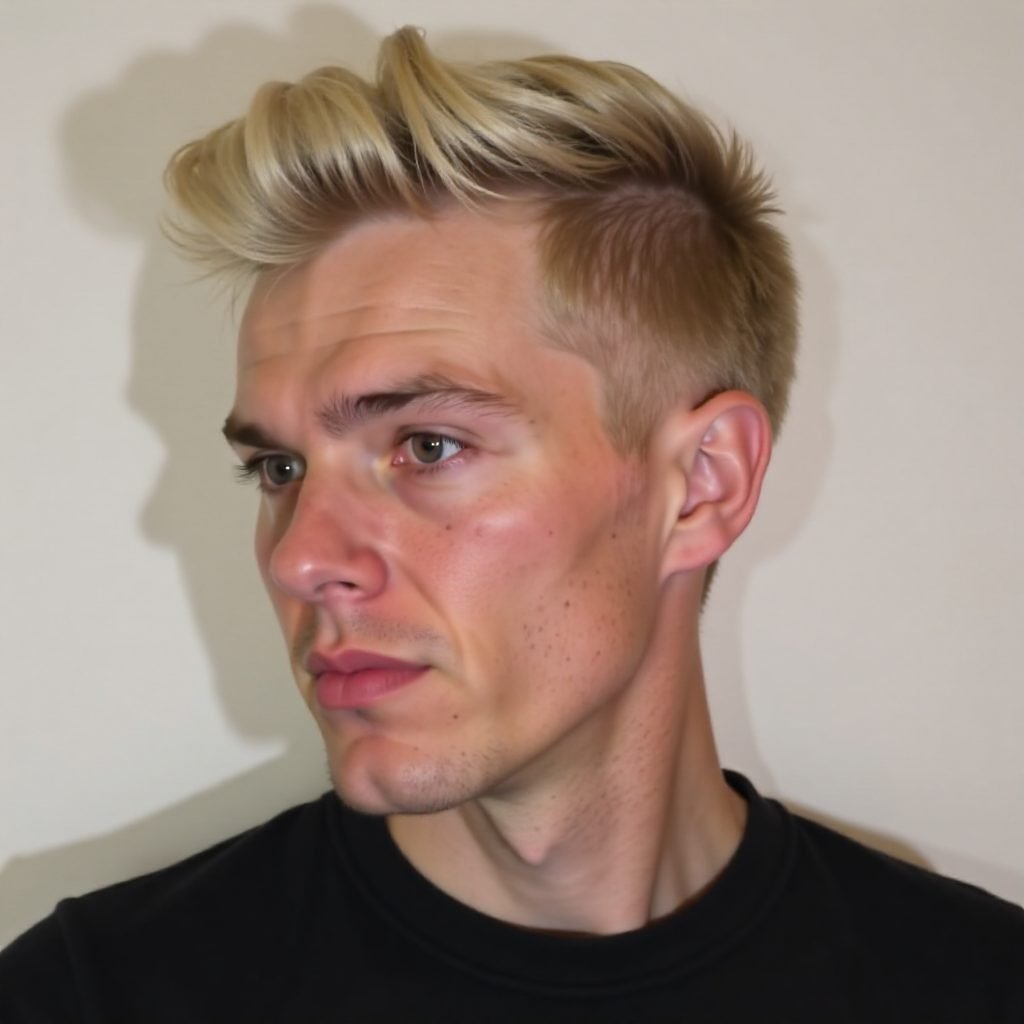
Quiffs have a perky, youthful energy and suit both thin and thick hair. On fine strands they create the illusion of more volume, while on thick hair they highlight texture. Blow-dry the front up and back before adding a light paste.
Inspiration: @jays.hair.styles
Building volume in straight hair
- Blow-dry against the direction you want the hair to fall, then flip it back; this lifts the roots.
- Use sea salt spray or a root-lift spray on damp hair before drying if your hair is fine.
- Finish with matte clay or styling powder rather than shiny pomade, which weighs straight hair down.
- Ask your barber for point-cut or textured ends on top so the hair separates instead of lying in one flat sheet.
Choosing between a fade and a taper
A fade takes the sides down gradually, often to the skin, and can sit low, mid or high. A taper is subtler, shortening only around the temples and nape while keeping more length at the sides. Straight hair shows the transition clearly, so either option looks sharp. Pick a high fade for maximum contrast with a long top, and a taper if you need a conservative look for work. Both need a clean-up every two to four weeks.