
Short dreads give you the character of locs at a length that is lighter, quicker to dry and easier to manage. This collection covers the main ways to start or shape them: two-strand and four-strand twists, crochet locs that work even on very short hair, backcombed rope-like dreads, freeform locs that form naturally, interlocked roots and thick wick dreads. Pairings vary too, from a mohawk with a high bald fade and a dreadlocked top over an undercut to a clean taper, a sharp line-up and shaved sides.
Texture plays a big role. Coily and kinky hair locks quickly and holds twists well, while straighter hair usually needs backcombing or crochet work to form dreads and may take longer to mature. Fades and undercuts keep the overall shape neat while your locs are still young and uneven.
Colour and accessories personalise the look. Dip-dyed tips, half-white dreads and beads on the front locs all add impact, though bleaching locked hair requires care because it is harder to condition thoroughly.
1. Mohawk Dreads
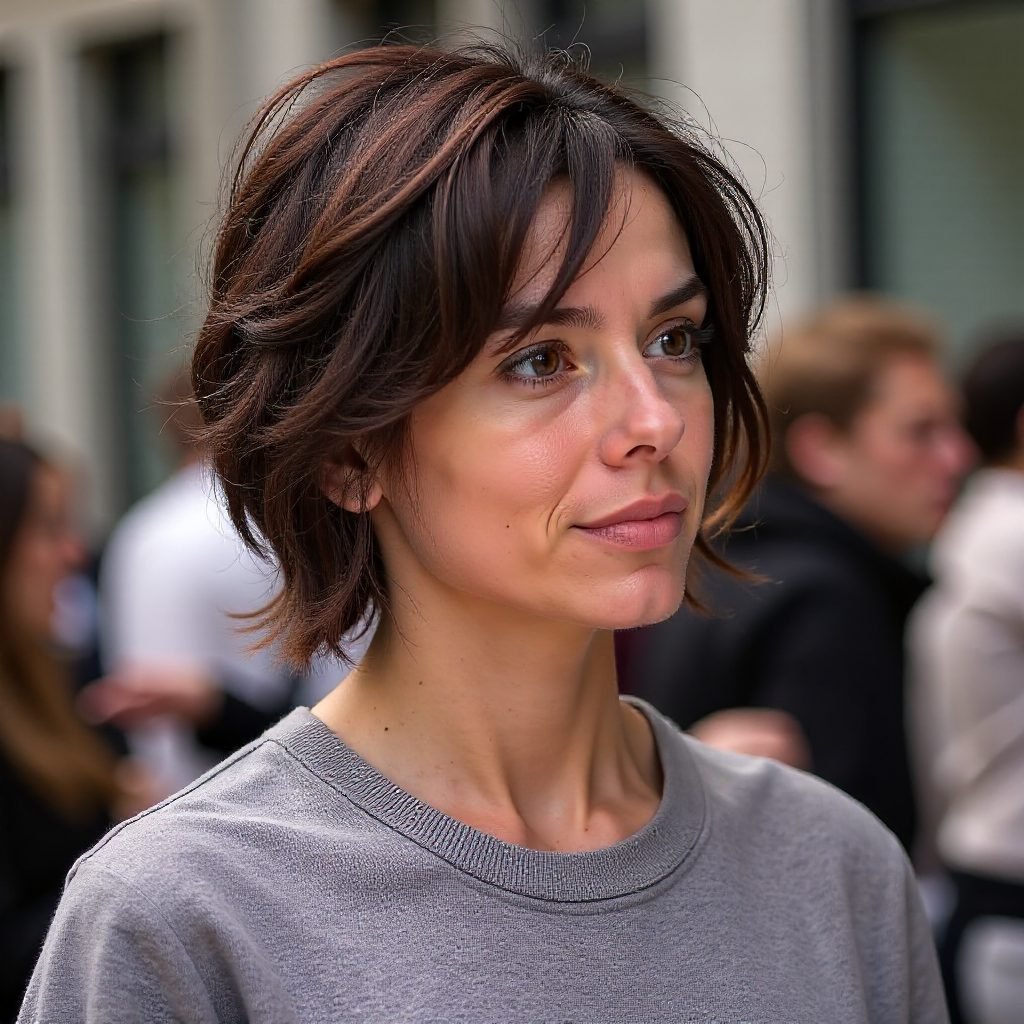
Two-strand twists shaped into a mohawk sit above a high bald fade, giving strong texture that stays comfortable and easy to look after. Keep the locs healthy and defined with a light wax, and use a protective serum on the exposed scalp of the faded sides.
Inspiration: @kentathehairartist
2. High Top Dreads
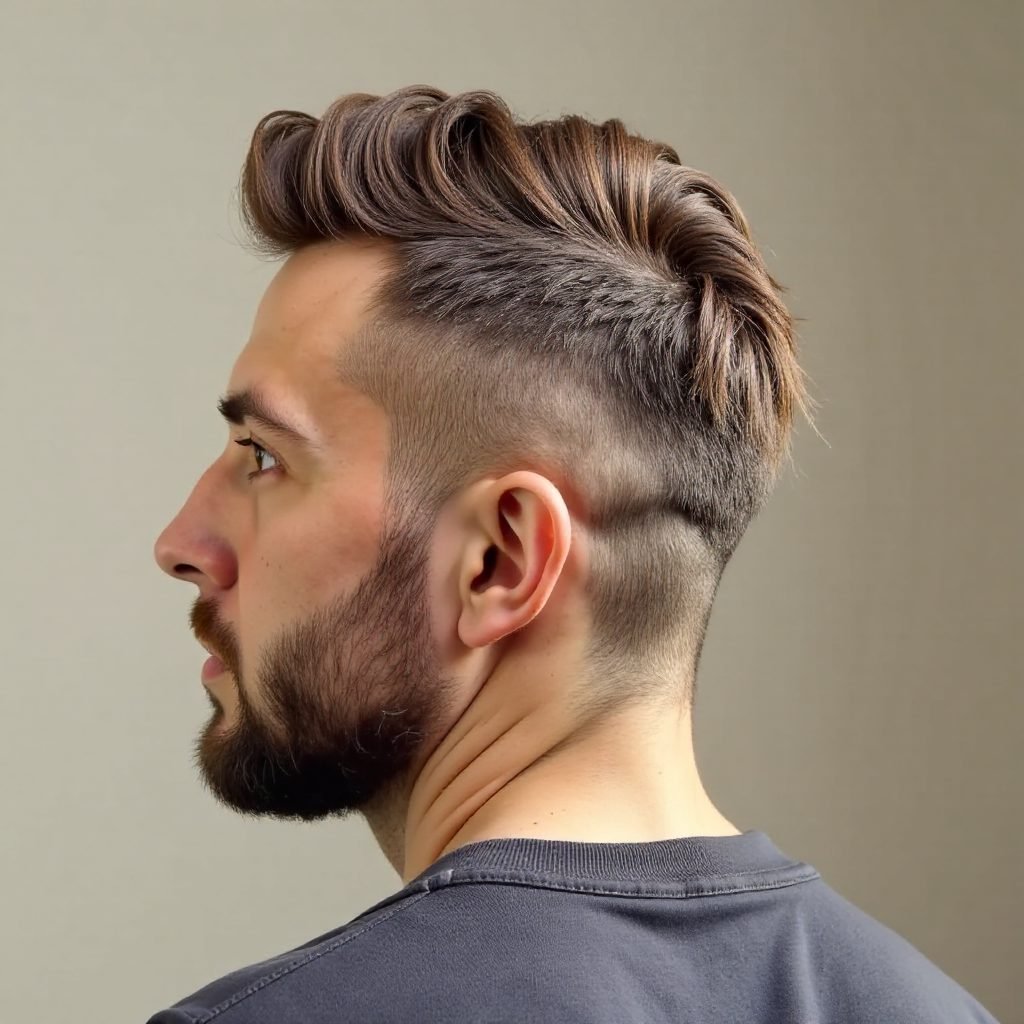
Dreadlocks stacked into a high top add height and volume against a closely buzzed base, so the head shape looks taller and more angular. Brush the locs forward so they stick out slightly, and you get a loose, rock-and-roll attitude with almost no daily styling.
Inspiration: @di_dreads
3. Shaved Style with Thick Dreads

Length left on top is formed into thick dreads, while the sides and back are shaved clean for maximum contrast. Ask your barber for maintenance tips covering both the locs and the shaved areas, since the clipped sections need touching up far more often than the dreads.
Inspiration: @dreadley_dreadlocksbyashley
4. Afro Perm Dreadlocks

An afro perm combined with interlocked dreads creates a fashion-forward look that takes little effort day to day. The perm adds extra curl so the locs form faster, and a small amount of wax keeps the locked strands tidy and lying in the direction you want.
Inspiration: @hippie_buddha_
5. Two-Strand Twists
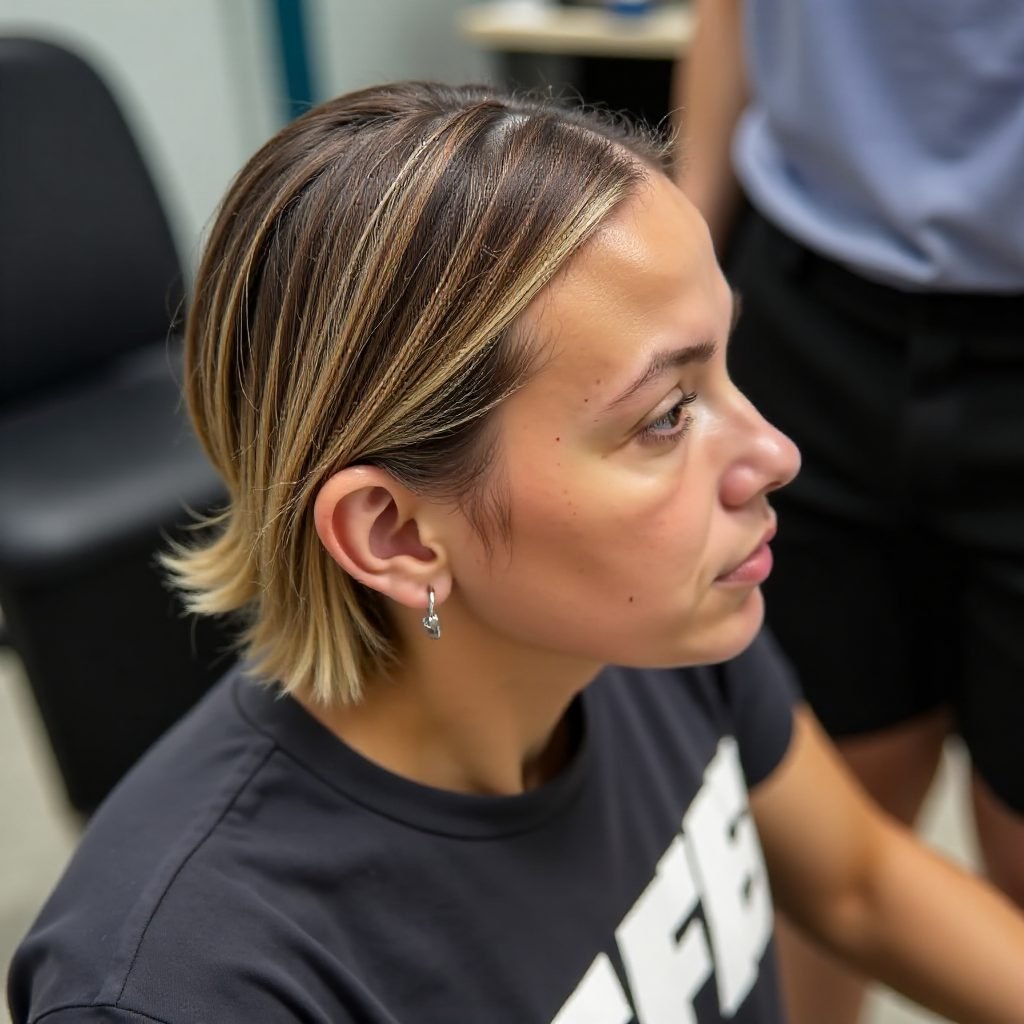
Twisting two strands of hair around each other creates well-defined dreads in a short time. The technique also helps shield the ends from breakage and dryness, which is why it is one of the most popular ways to start locs on coily hair.
Inspiration: @kelatichairlounge_
6. Dreadlocked Top with Undercut

Short dreadlocks on top of a clean undercut add movement and fullness without extra length. Falling forward over the forehead, the locs mimic a fringe, which softens the shape and suits almost any face, from round to long and narrow.
Inspiration: @di_dreads
7. Ponytail Dreads
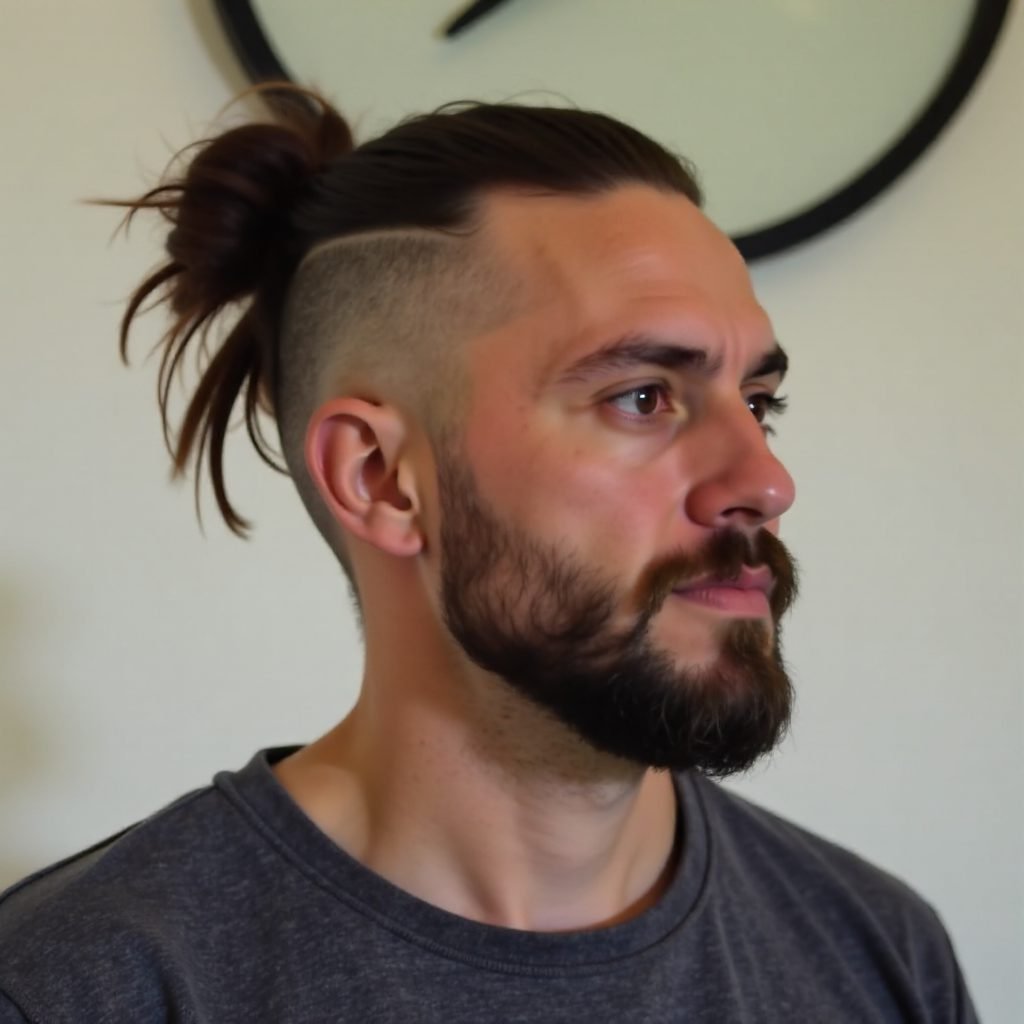
Dreads do not always have to be worn down. Pulling them back into a low ponytail gives a neater, more put-together finish for work or formal events, and trying a few different tie-back positions will help you find the version that suits you best.
Inspiration: @dredy.ba
8. Freeform Dreads
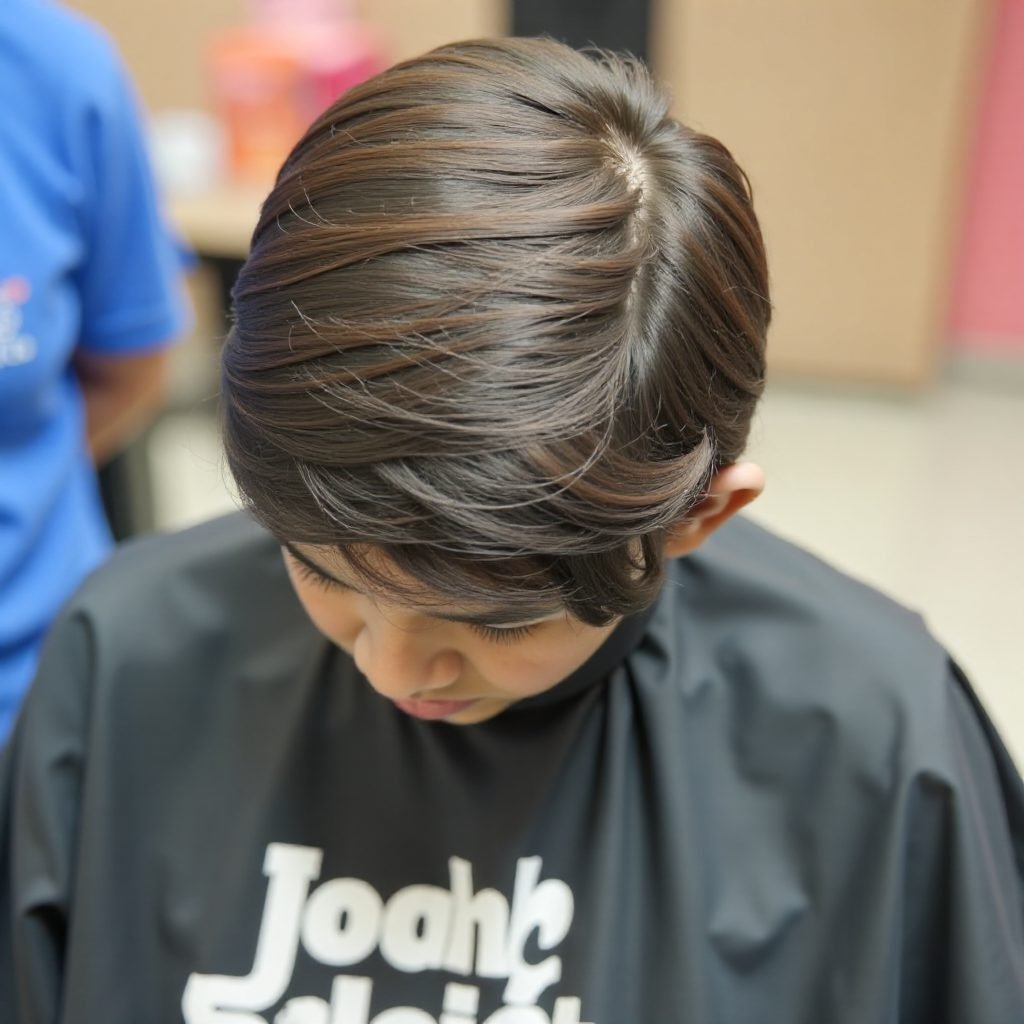
Freeform dreads are left to lock naturally rather than being twisted or palm-rolled into shape. As they mature, shrinkage makes the hair look shorter without a cut, and the uneven, organic result creates a relaxed, low-fuss look full of character.
Inspiration: @lionlockx
9. Mini Crochet Dreads

Mini crochet dreads are made by pulling and locking the hair tightly with a fine crochet needle. Because the method works on very short hair, you can get stylish, finished-looking locs straight away instead of waiting months for enough length to twist.
Inspiration: @koltuneria_artystyczna
10. Dip-Dye Dreads
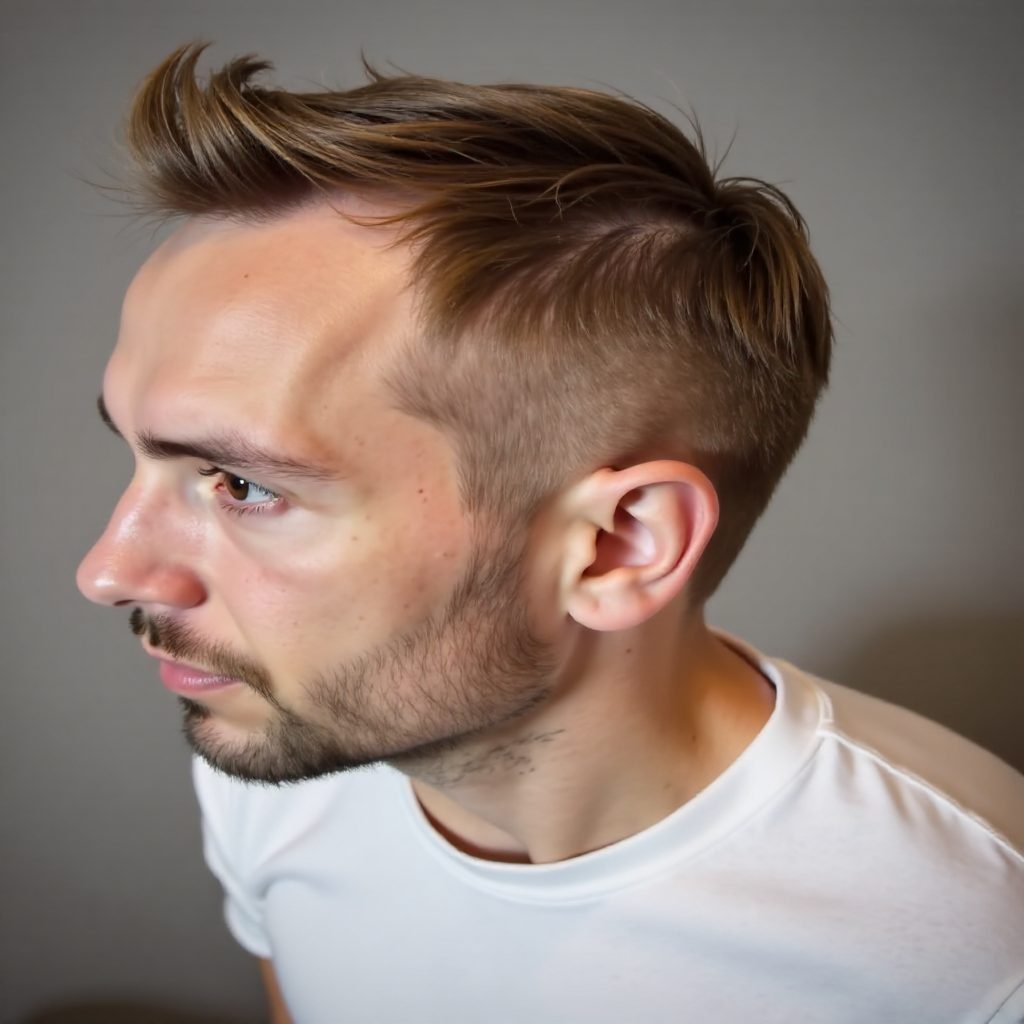
Tips dyed in a brighter shade add pops of colour and a lived-in dimension to short dreads. Dip-dyeing leaves the roots natural, so regrowth is never an issue, and it leaves plenty of room for creative experiments with different colours over time.
Inspiration: @yukkexstyle
11. Side-Swept Locs
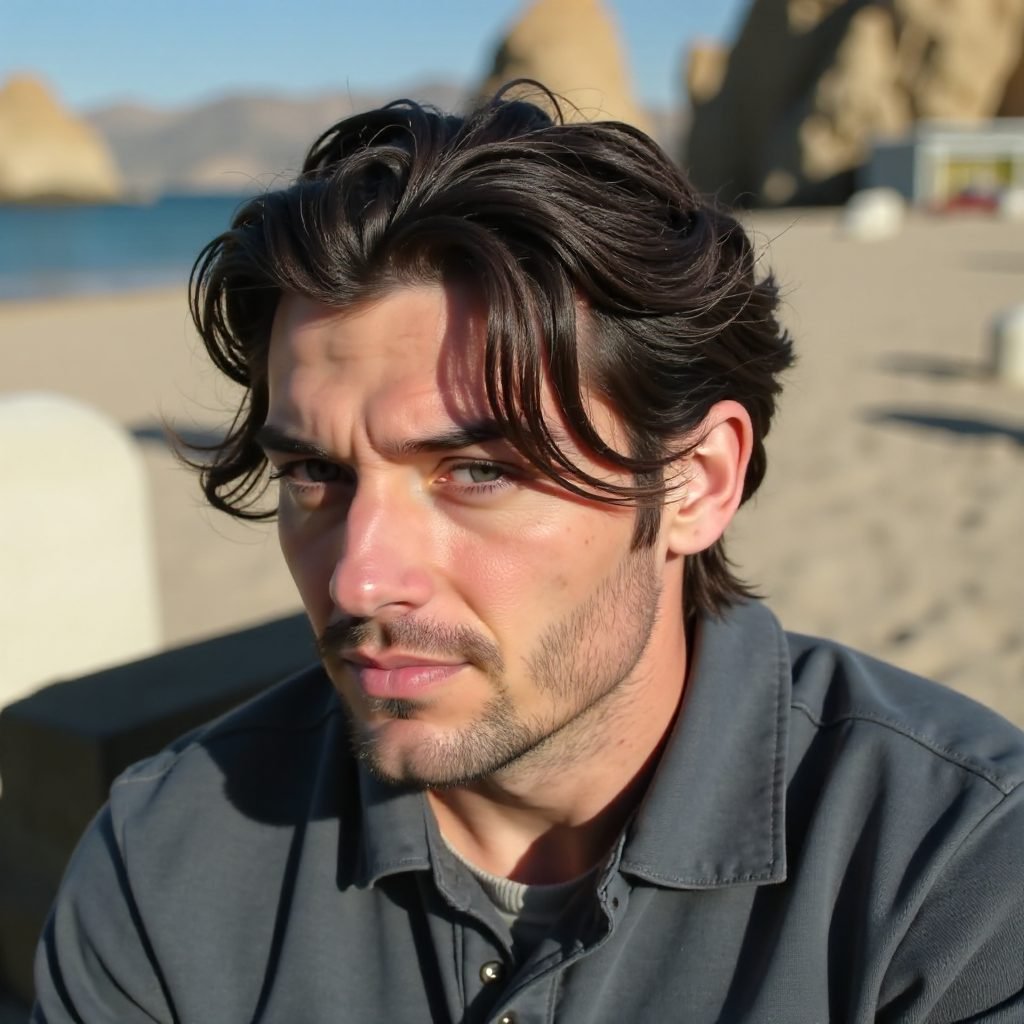
Crochet-made dreads swept to one side with a side parting bring a sense of fun and volume. No extra styling products are needed to keep the shape, and the natural-looking result adds flattering accents around the face and cheekbones.
Inspiration: @dreadafro_
12. Two-Tone Dreadlocks

Half-white dreads put your hair firmly in the spotlight and make a confident fashion statement. Wearing the locs loose draws attention to high cheekbones and a sharp jawline, while the lightened sections need gentle, moisturising care to stay strong.
Inspiration: @dredy.ba
13. Dreads with Fade
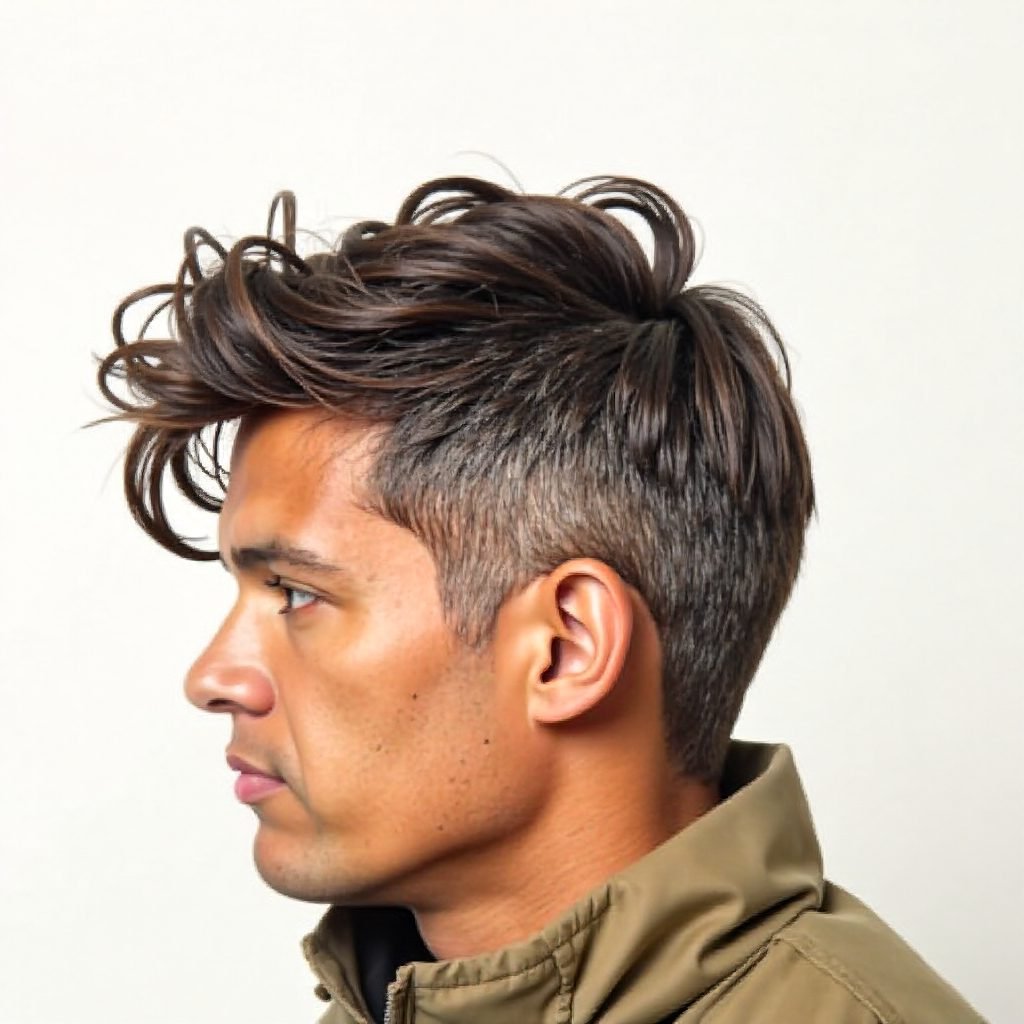
A clean fade beneath short dreads heightens the contrast between the lengths and makes the locs look sharper. Keep the dreads on the shorter side if you want a style that needs minimal attention, and refresh the fade every few weeks to stay crisp.
Inspiration: @marcosdreads
14. Medium Dreads on Short Hair
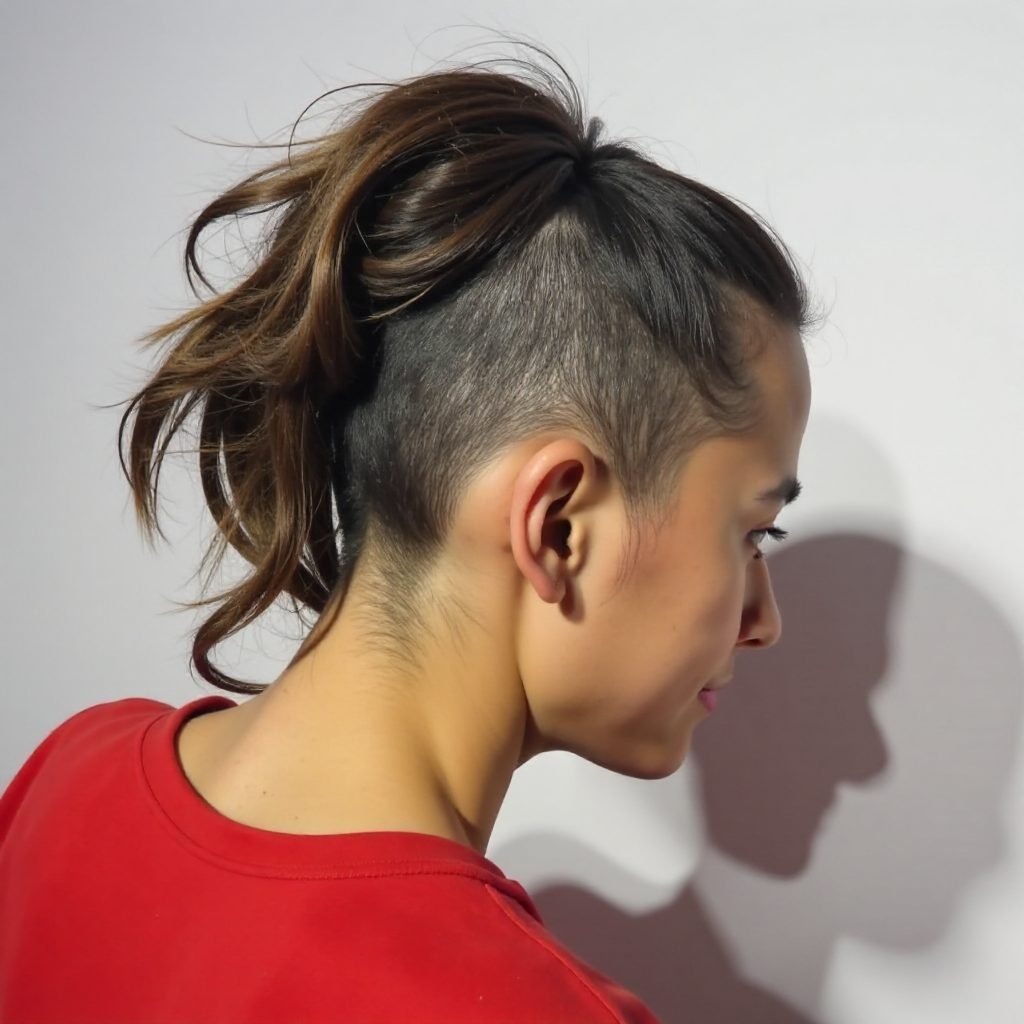
Long on top and short at the sides is a classic combination for men who want texture with little upkeep. In this version, mid-length locs fall toward the back of the head, giving movement at the crown while the sides stay neat.
Inspiration: @atelie.dreadsetrancas
15. Four-Strand Twists
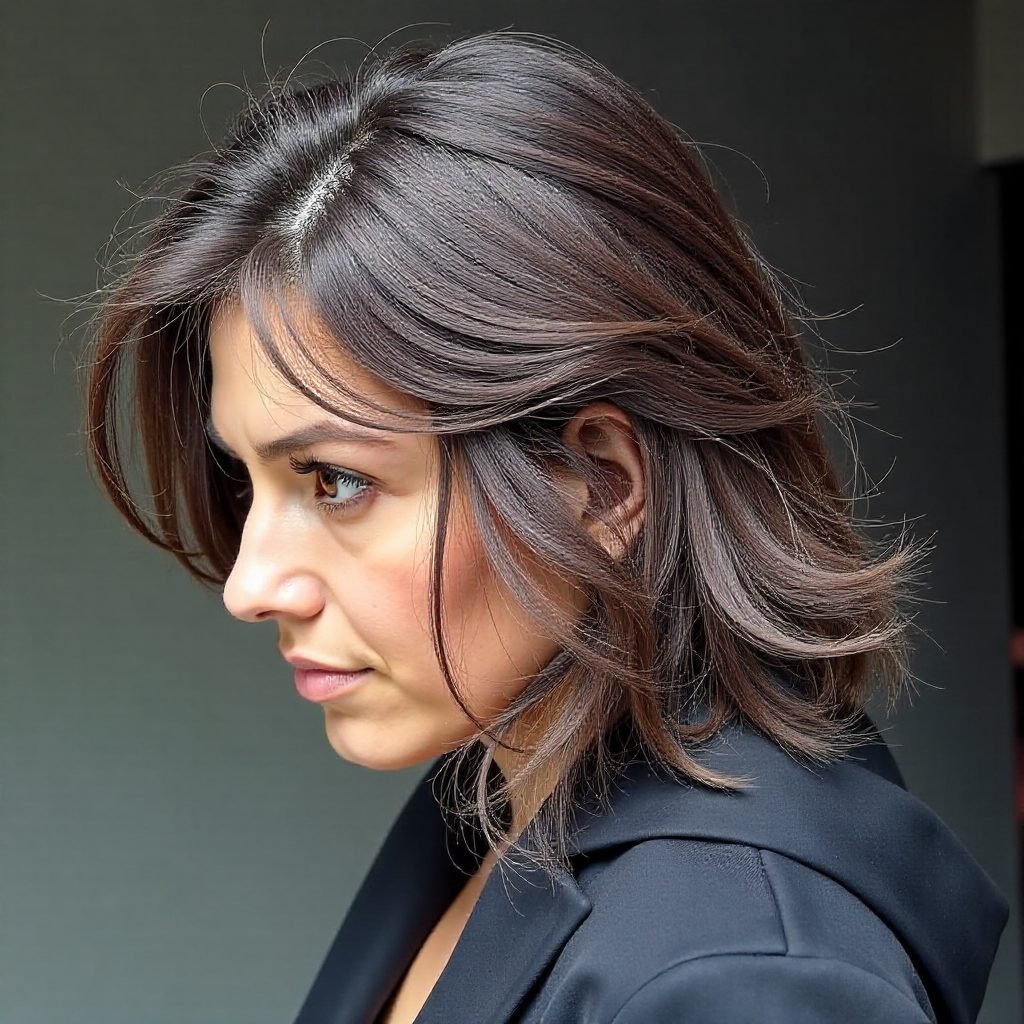
Four-strand twists create thicker-looking dreads than the traditional two-strand method. The fuller result can make a big style change, especially on hair that tends to look sparse, and the extra bulk at each section helps the locs hold their shape.
Inspiration: @_judidthat
16. Interlocked Hairstyle
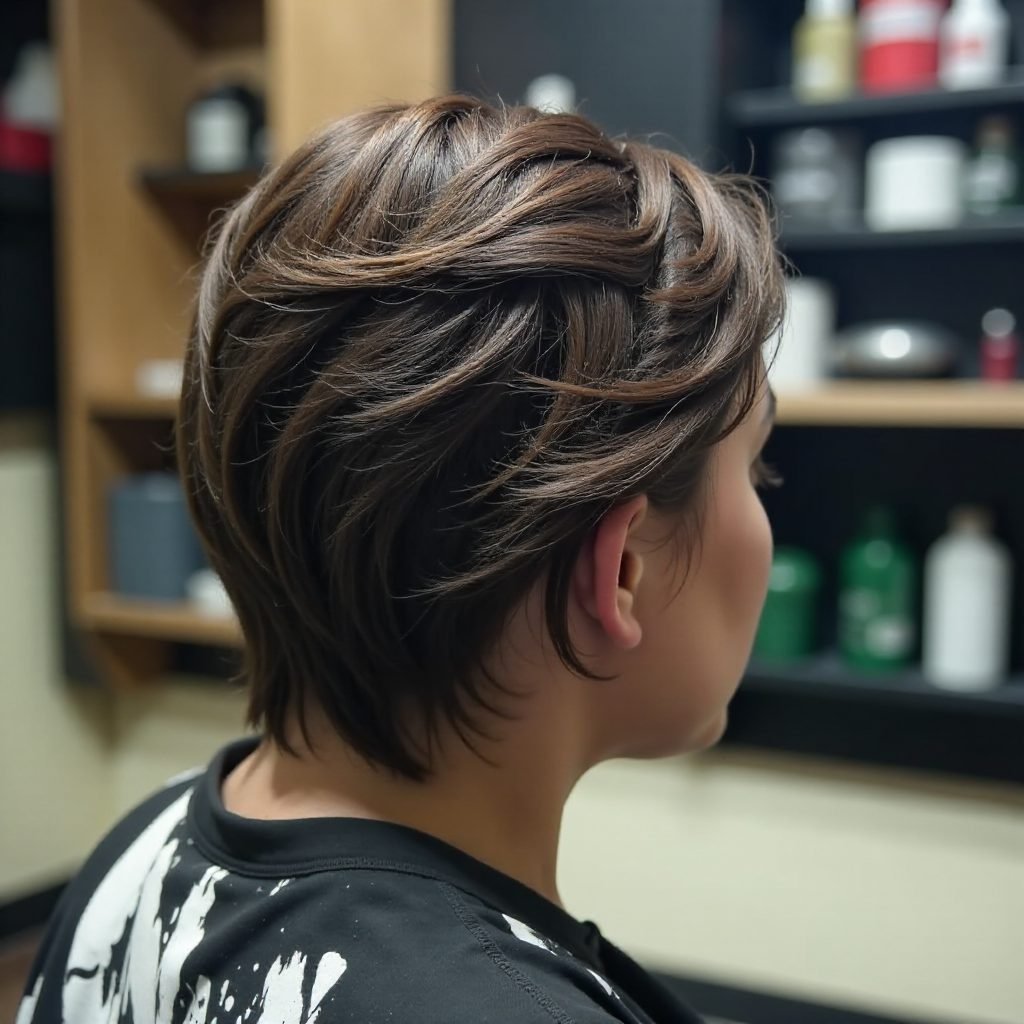
Interlocking pulls the ends of each loc back through the root, lifting the hair at the scalp and keeping it tight. The finish imitates neat, sewn-in braids close to the head that turn into bubble-like sections toward the tips.
Inspiration: @prolific.da
17. Line Up Dreads
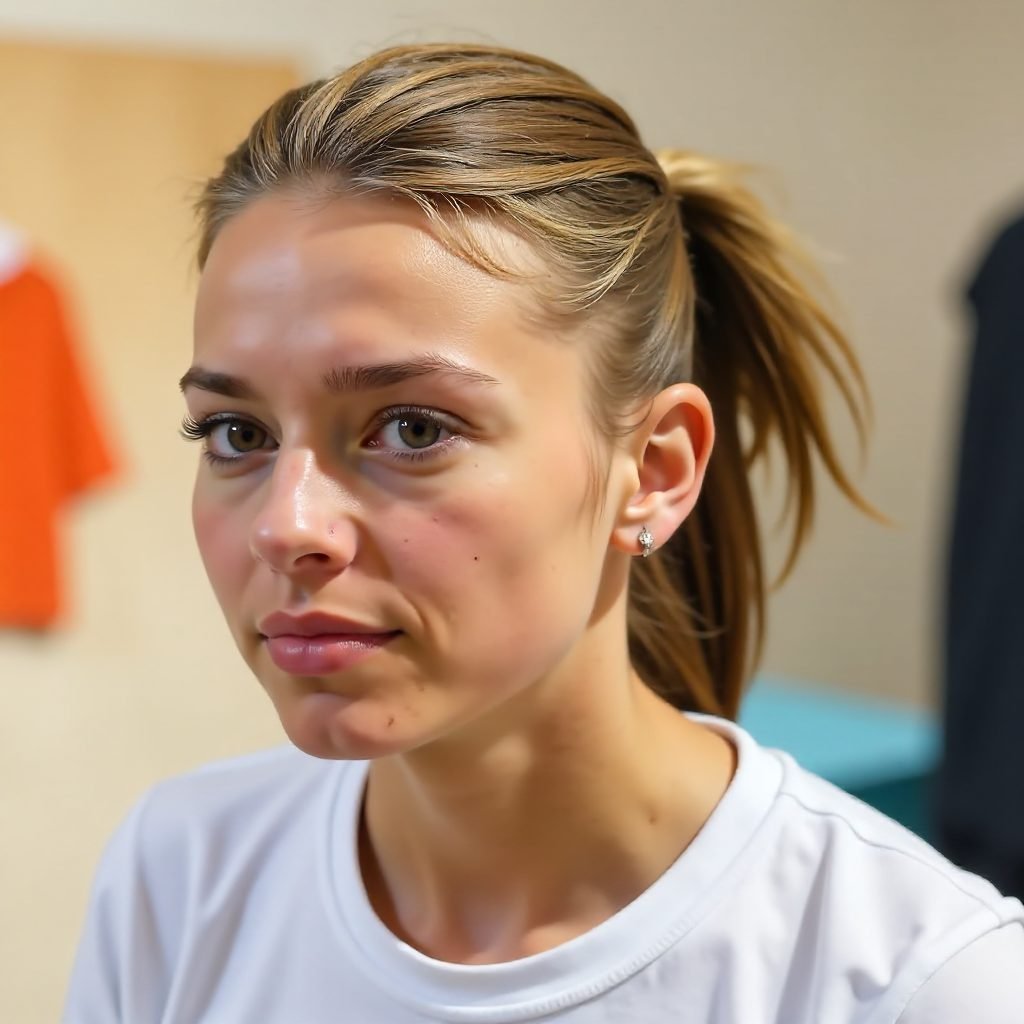
Longer top hair woven into defined dreads looks immaculate when gathered back into a ponytail. A crisp line-up at the hairline and temples adds sharpness and an individual design element, framing the face with clean geometric edges.
Inspiration: @di_dreads
18. Backcomb Dreadlocks
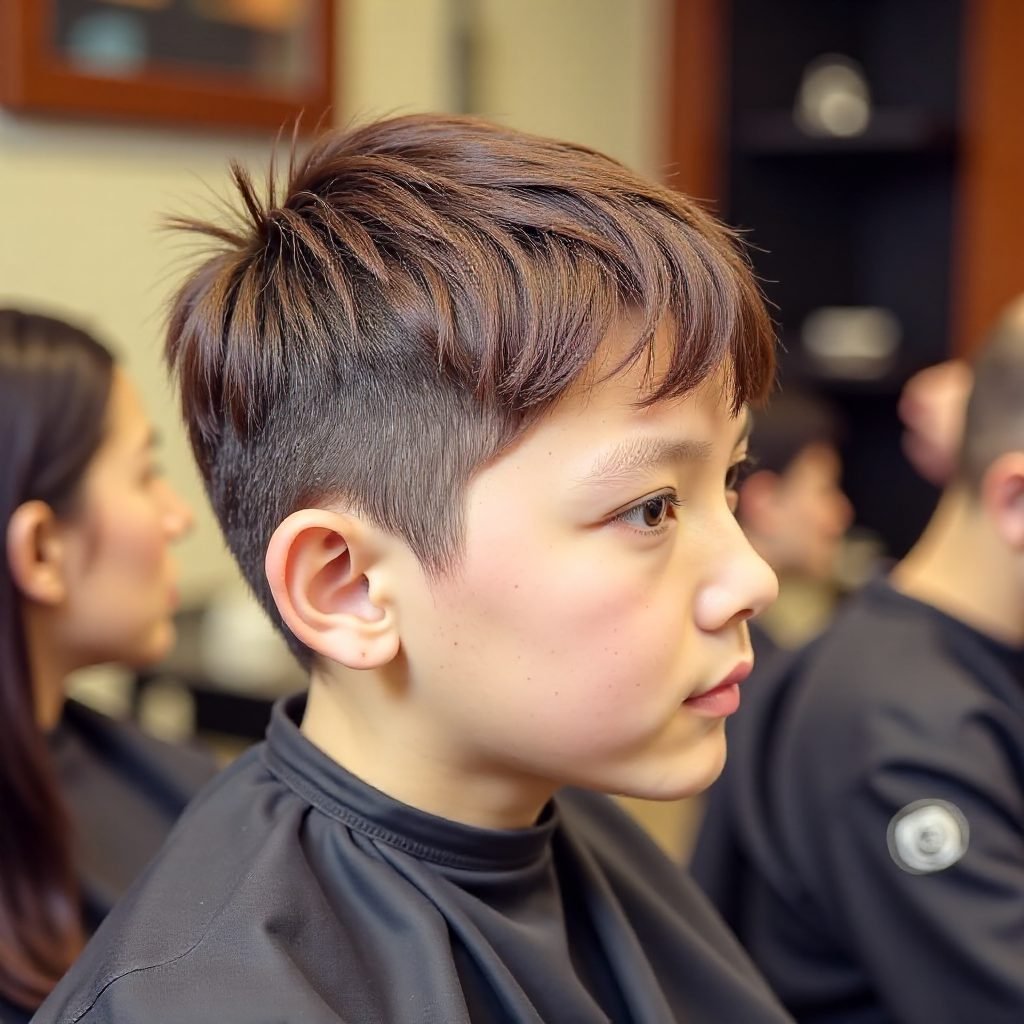
Backcombing creates these thick, rope-shaped dreads. Each section is teased toward the scalp and then rolled back and forth between the palms until it takes shape, a method that also helps straighter textures form locs.
Inspiration: @no13cut
19. Short Locs with Shaved Sides
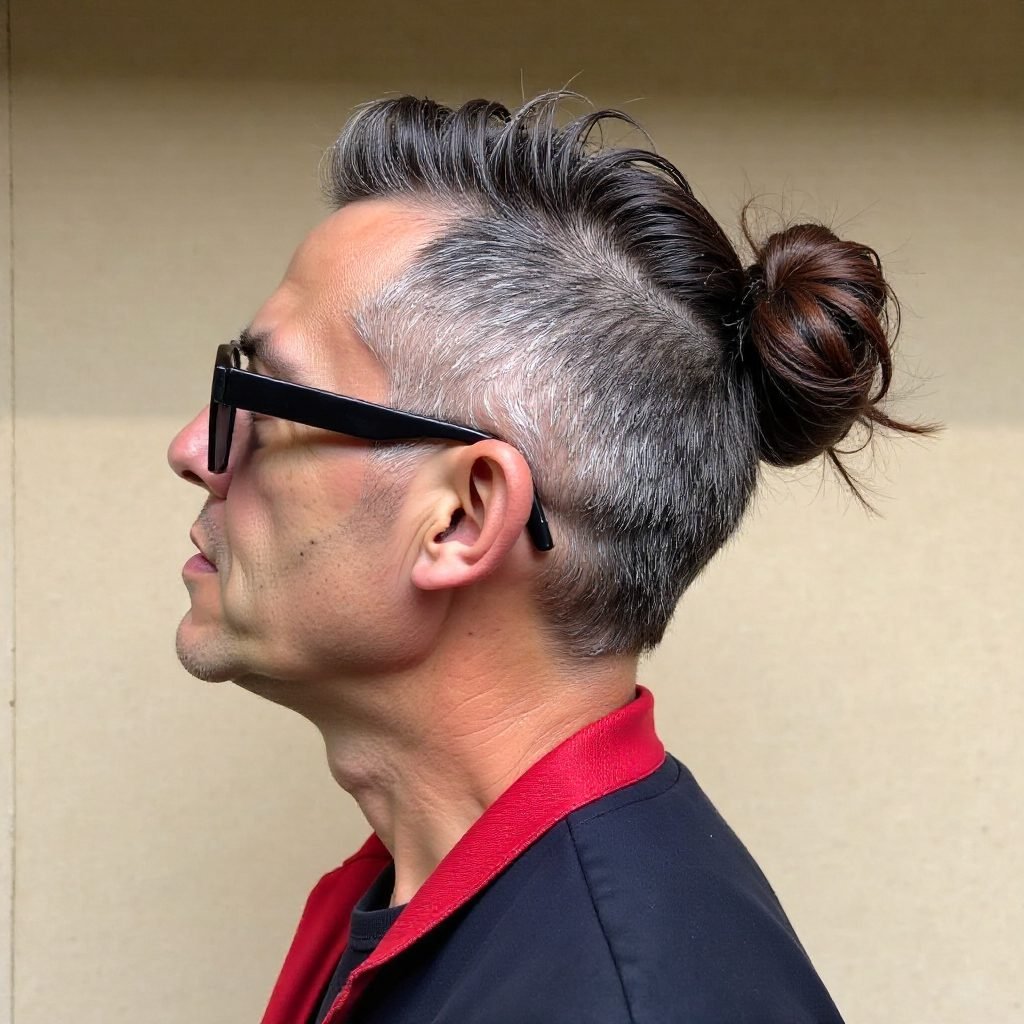
Short dreads with a close-cropped base are a good first step for anyone wanting to try locs. The neat sides keep the look clean and professional while the dreads mature, and the short length makes the early stages easier to manage.
Inspiration: @jaggadreads
20. Dreads with Taper

Taper cuts are prized for their tidy, classic shape, and vibrant coloured dreads on top add an unexpected edge. The contrast with the natural colour at the sides makes the bright locs stand out even more.
Inspiration: @yukkexstyle
21. Short Wicks
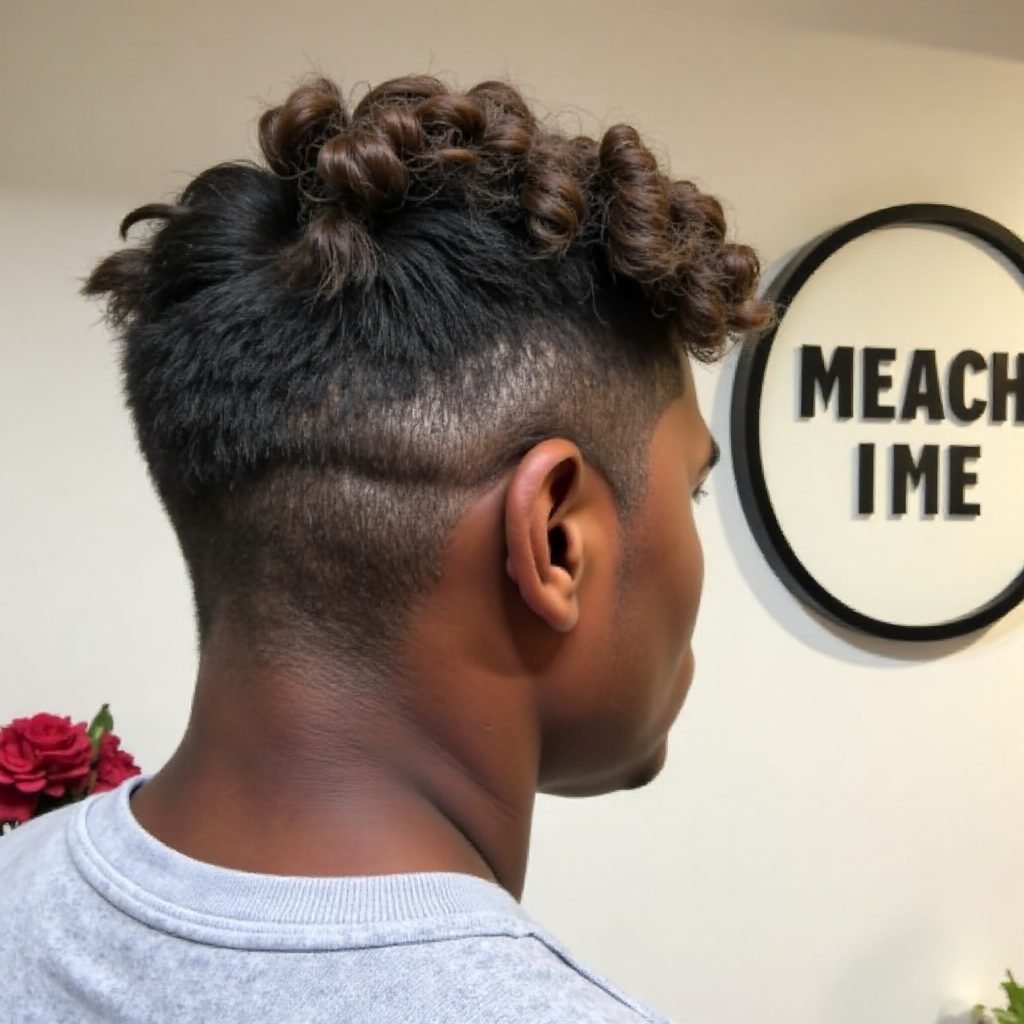
Wick dreads get their name from their resemblance to a candle wick, with a thick base and a relaxed, chunky feel. Kept short, they form bold spikes that give the hair a strong, sculptural silhouette and need very little day-to-day styling.
Inspiration: @dredy.ba
22. 360 Twists
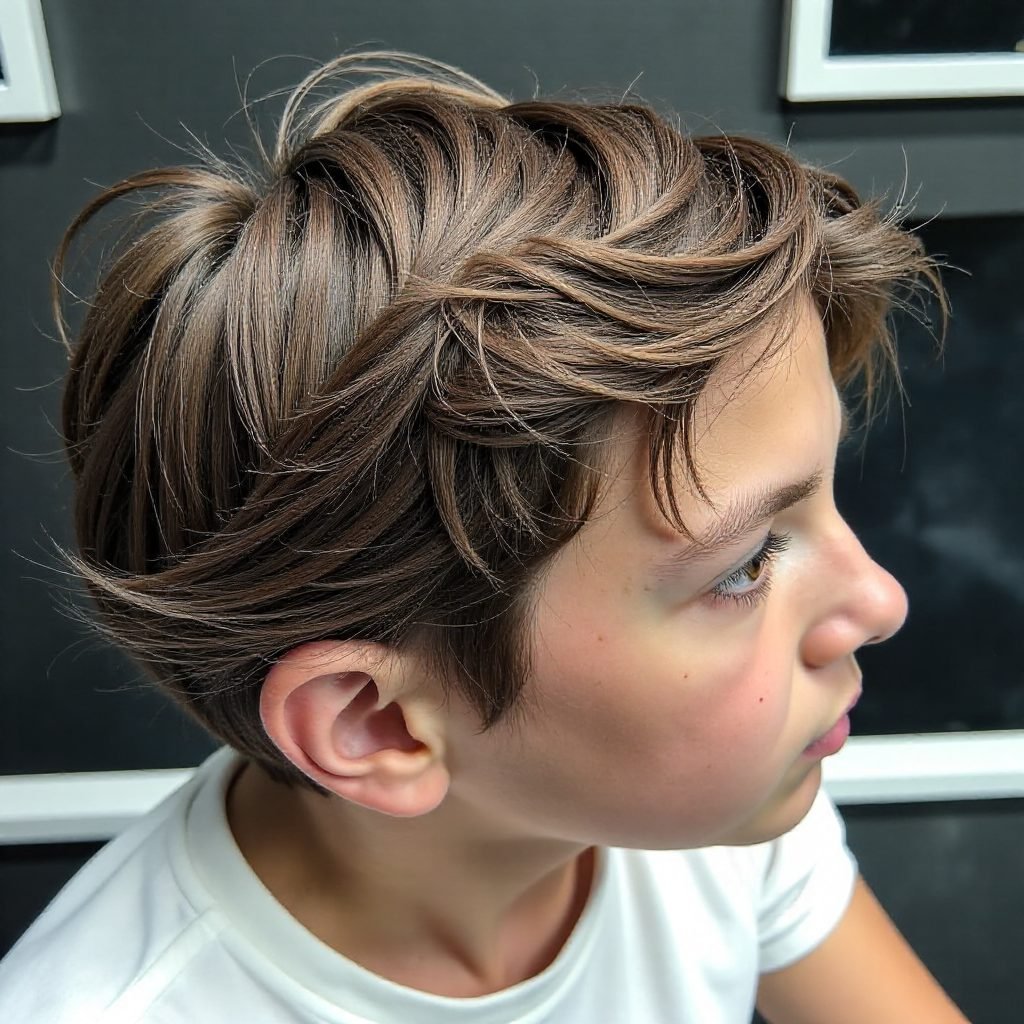
Small twists all over the head protect natural hair and keep the styling routine to a minimum. With suitable moisturising products, the style lasts longer without frequent touch-ups, making it a practical option for busy schedules.
Inspiration: @_judidthat
23. Thick Dreadlocks

Thick locs formed from classic two-strand twists give a bold, full look on short hair. Ask your barber for larger sections next time you visit, and remember that bigger locs take a little longer to dry after washing.
Inspiration: @daniluxeffect
24. Beaded Hairstyle
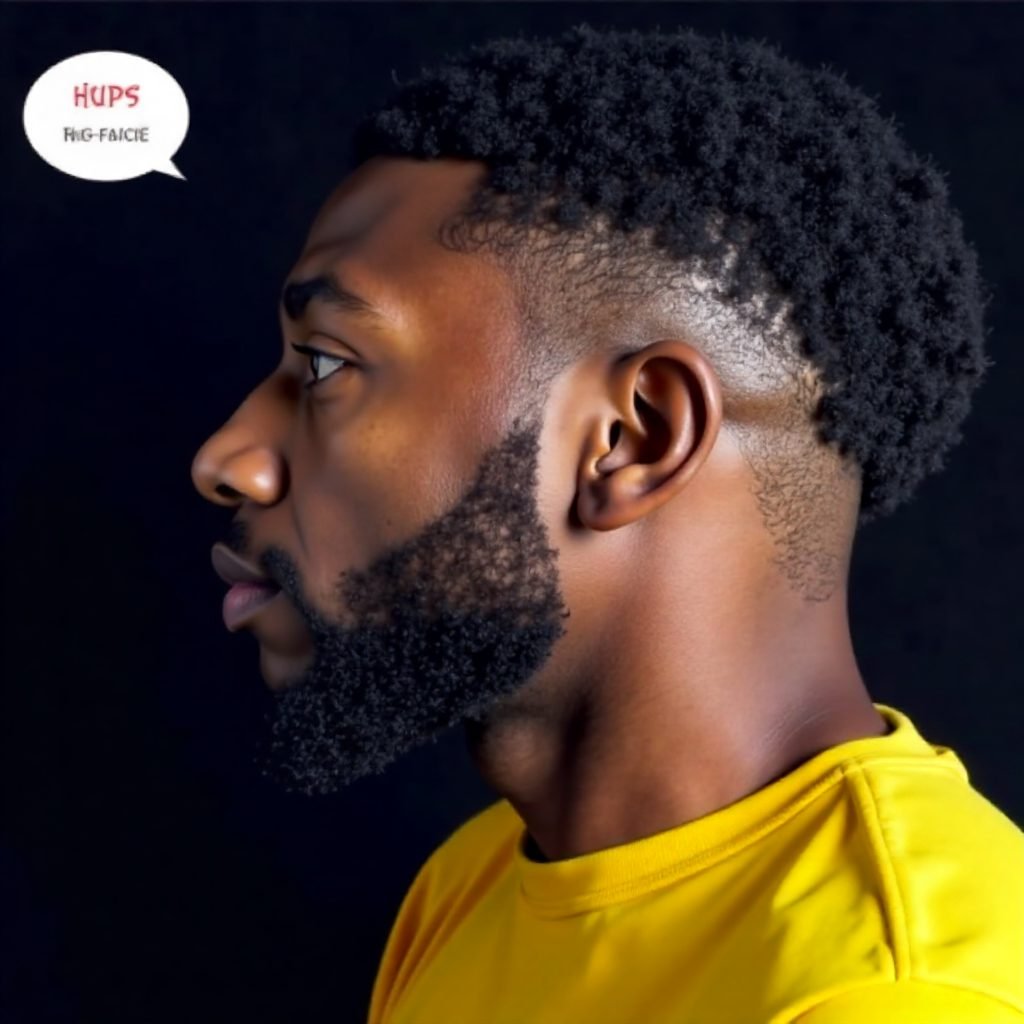
Beads threaded onto the front dreads make the style festive and eye-catching, drawing the eye to the face. Combined with shaved sides and facial hair, the look is confident and puts you firmly at the centre of attention.
Inspiration: @bilastudios
25. Spiked Up Dreads
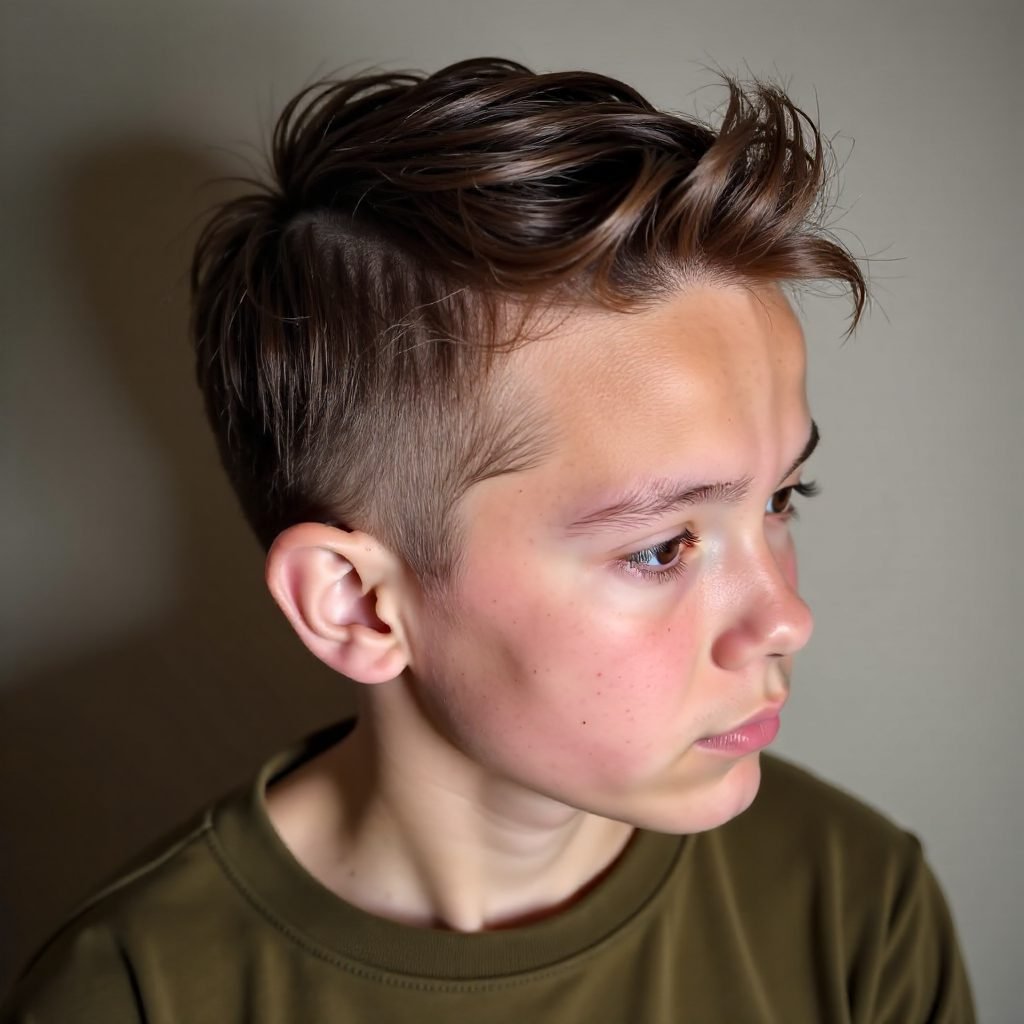
Spiked-up dreads let your rebellious side take the lead. The upright, slightly unruly shape gives a trendy grunge feel and a spirit of non-conformity, and a little wax at the tips helps the spikes keep their direction throughout the day.
Inspiration: @yukkexstyle
Starting short dreads the right way
- Two-strand twists and comb coils are the gentlest starters for coily hair; crochet or backcombing suits looser textures.
- Aim for consistent section sizes, since that sets the thickness of each loc for years to come.
- Expect a frizzy, uneven stage in the first months. It is part of the locking process, not a sign of failure.
Everyday care for young locs
Wash every one to two weeks with a residue-free shampoo so build-up does not get trapped inside the locs. Dry them completely to prevent odour. Use light oils or scalp serums rather than heavy waxes, which attract lint and can leave residue. Re-twist or interlock new growth every four to eight weeks, but avoid doing it too often or too tightly, as constant tension at the roots can thin the hairline. Keep fades and line-ups fresh with a barber visit every two to three weeks, and sleep on satin to reduce fuzz.