
Protective styles tuck the ends of the hair away and reduce daily combing, heat and friction, which helps Afro-textured hair hold on to length and moisture. For men, the six styles in this guide cover most needs: classic cornrows and sleek stitch braids for a flat, tidy finish; rope twists and finger coils for a softer, more natural texture; box braids for length and colour options; and locs as a long-term commitment.
Each one asks for a different amount of hair. Finger coils work on fairly short hair and pair well with a taper fade, whereas box braids and stitch braids need enough length to grip, usually a few inches at least. Locs take months to mature and are the only option here that is not simply taken out after a few weeks.
Think about how often you want to visit a braider, how much tension your hairline can tolerate and whether your job or sport calls for a style that sits flat under a helmet or cap.
1. Classic Cornrows
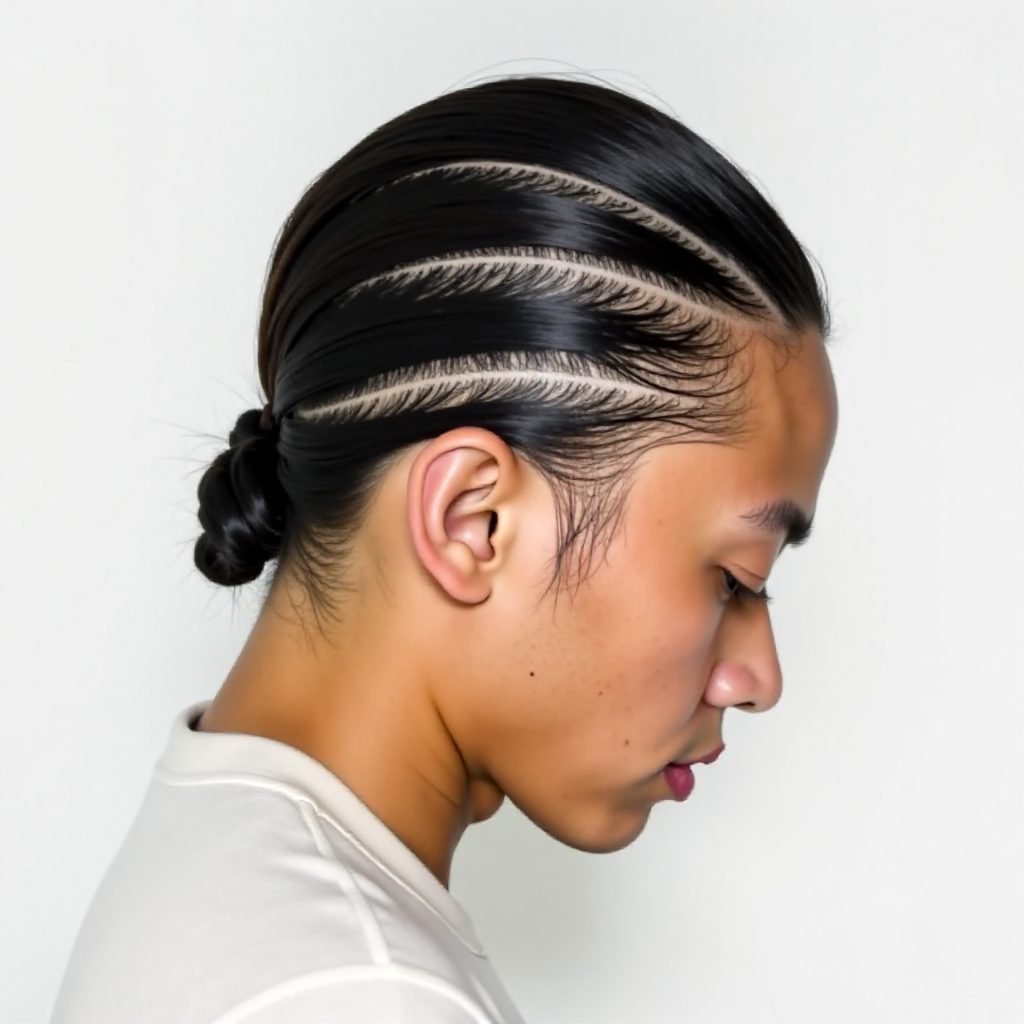
Cornrows going straight back are the original protective style and still one of the most practical. Hair is braided flat to the scalp in neat rows, keeping ends tucked away for weeks. The basic technique can also be turned into intricate patterns and designs.
Inspiration: @fairwithhair
2. Stitch Braids
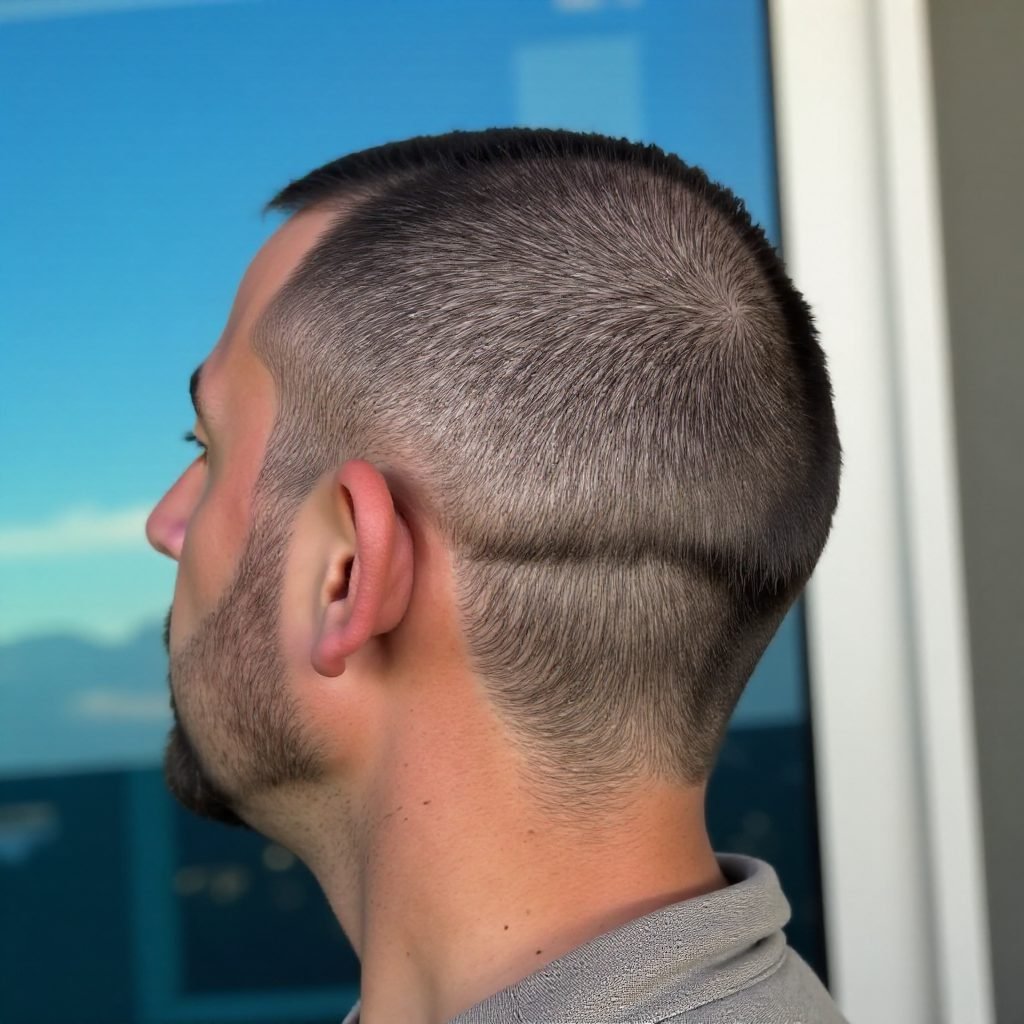
Stitch braids offer a sleek, modern take on cornrows, with hair braided flat and crisp horizontal sectioning visible along each row. The clean lines give a smooth, seamless finish. Ask your braider to use an edge control for extra-sharp parts.
Inspiration: @dubaisalon_hairstylist
3. Twists
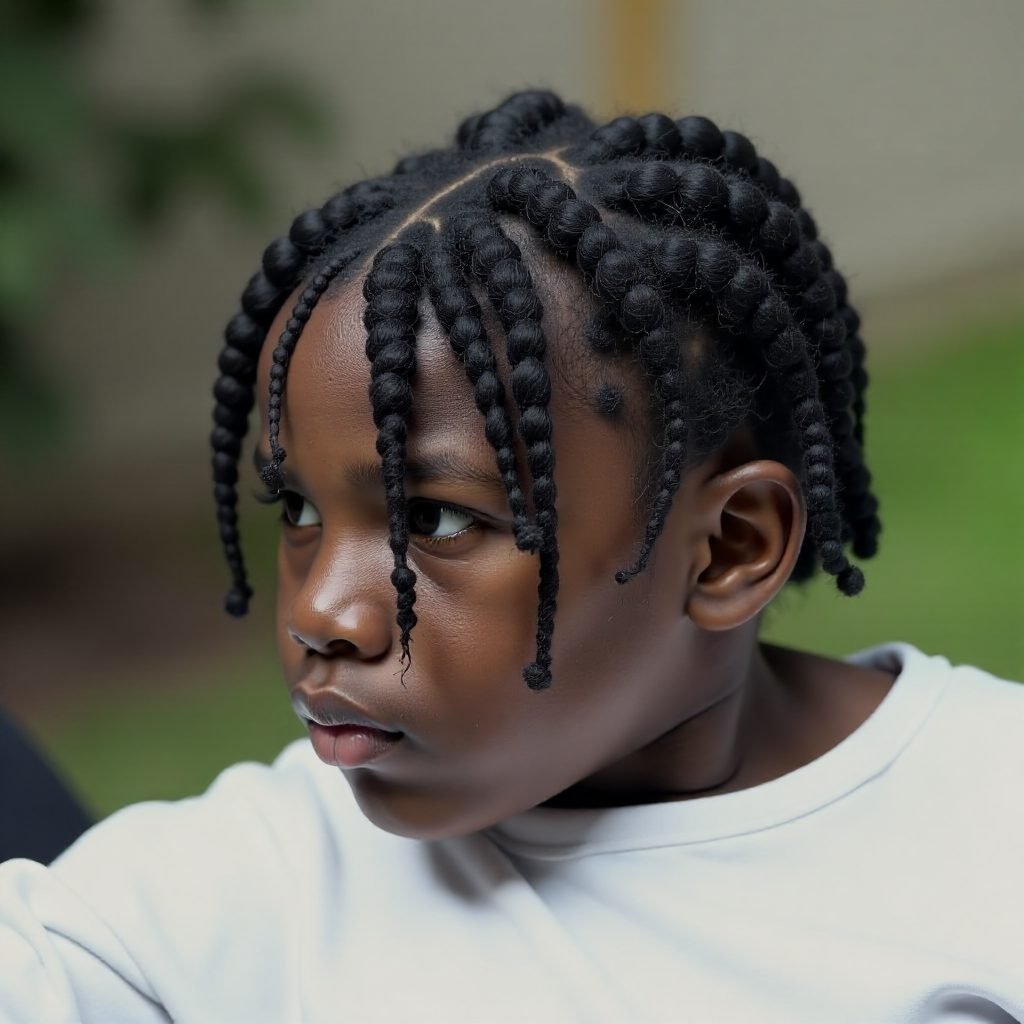
Rope twists are among the simplest protective styles for men and are easy to maintain. They can be worn down, pulled back or tied up. When it is time to take them out, unravelling them leaves well-defined curls for a twist-out look.
Inspiration: @creationsbymanii
4. Box Braids

Box braids gathered into a bun, with triangular parts and face-framing pieces, make a bold statement. They can be done on your own hair or with added braiding hair for extra length, thickness or colour, so the style is very customisable.
Inspiration: @raymarynho
5. Finger Coils
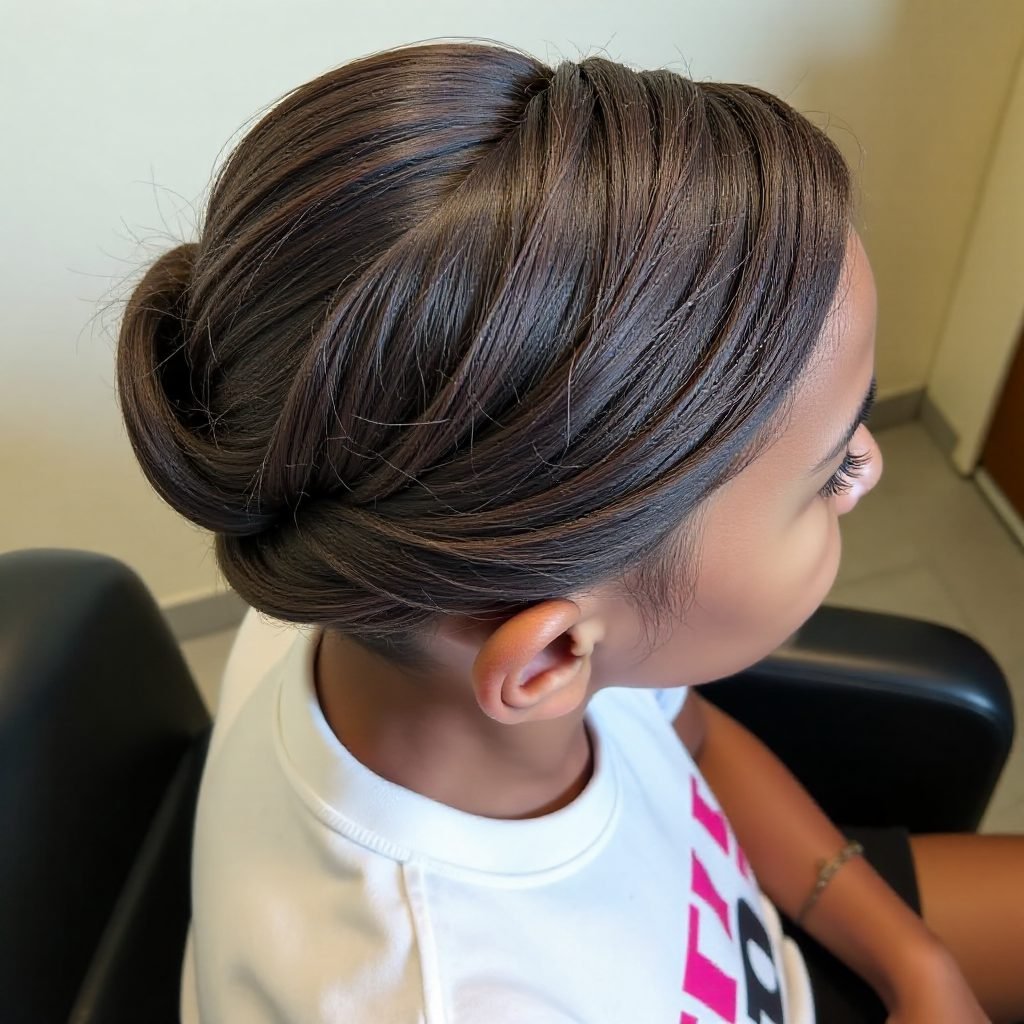
Finger coils are formed by wrapping small sections of hair around a finger to create tight, springy spirals. Paired with a taper fade, they keep things natural and defined. This low-maintenance option works especially well on shorter hair.
Inspiration: @locs.byfelicia
6. Locs
Shoulder-length locs give a distinctive, confident look with plenty of versatility. Shorter locs stay neat and easy to look after, while longer ones can be tied back or styled up. Regular retwisting keeps the roots tidy as they grow.
Inspiration: @afrilocs
Getting the most from a protective style
- Start with clean, deeply conditioned and fully detangled hair; protective styles only protect hair that goes in healthy.
- Ask for firm but comfortable tension. Pain, bumps or tightness at the hairline after a day or two are signs the braids are too tight.
- Keep the scalp moisturised with a light oil or leave-in spray, and cover your hair with a durag or satin cap at night.
- Don’t leave braids or twists in for too long. Most need refreshing or removing after two to eight weeks, depending on the style.
Rotating styles for healthier edges
Wearing the same tight style back to back puts constant strain on the same areas. Swap between flat styles like cornrows and looser options like twists or coils, change your parting pattern now and then, and give your hair a short break between installs. Locs need their own routine: regular retwisting at the roots, but not so often that the roots thin out.